Shri Khandoba Temple, Jejuri – Bhandara and Religious Traditions
Sep 19, 2026 · 5 min read · 284 views
Shri Khandoba Temple, Jejuri – Bhandara and Religious Traditions
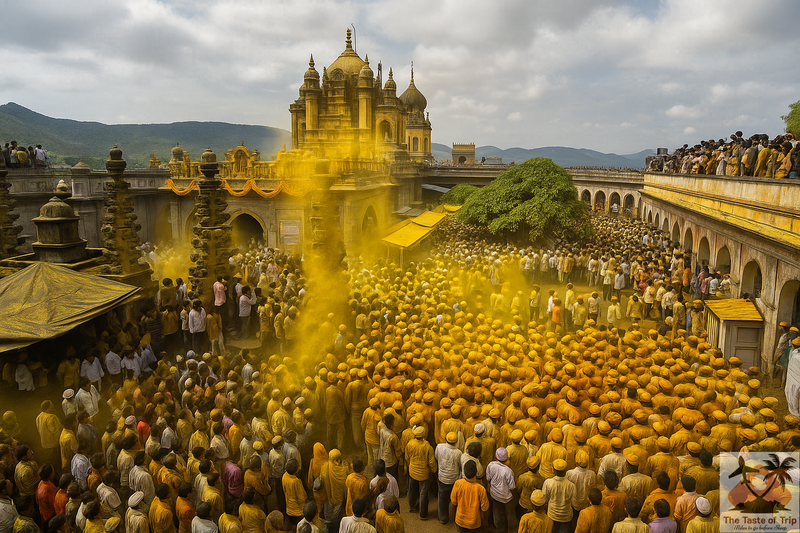
The Shri Khandoba Temple at Jejuri, located in Maharashtra, is one of the most revered pilgrimage places dedicated to Lord Khandoba. Jejuri is especially famous for its unique religious traditions, devotional atmosphere, and the vibrant use of Bhandara (turmeric powder) during festivals and religious ceremonies.
Lord Khandoba is worshipped with great devotion by people across Maharashtra and neighboring regions. Devotees visit Jejuri to seek the blessings of Khandoba, also known as Martand Bhairav and Malhari Martand.
History and Importance of Jejuri Temple
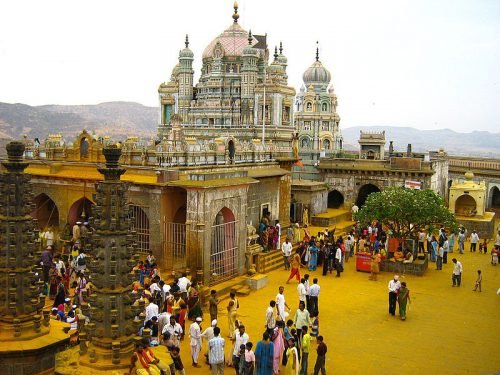
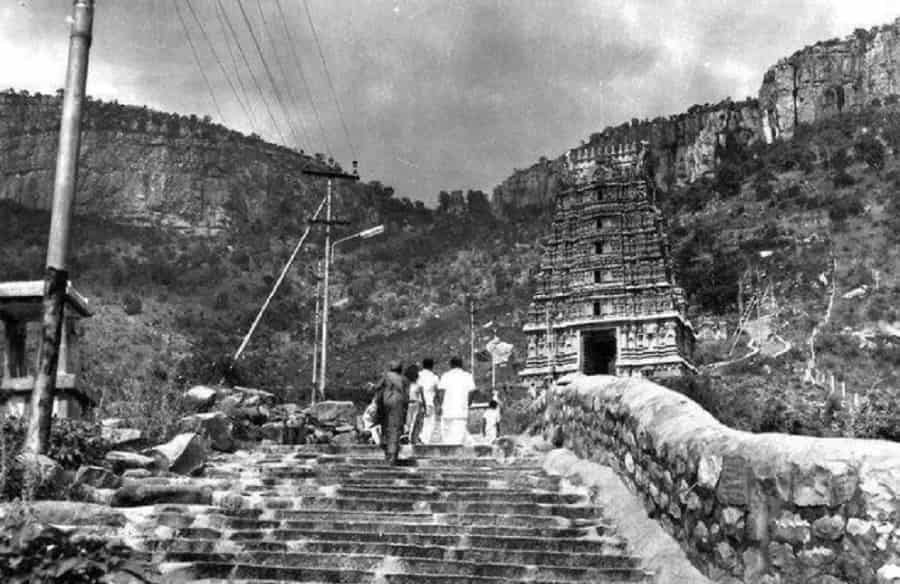
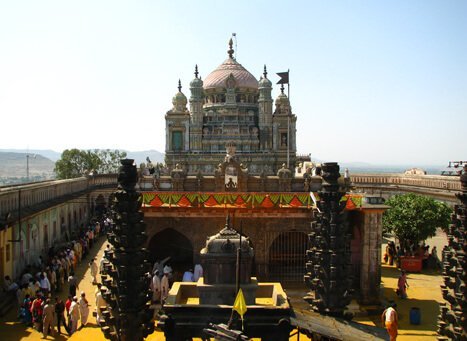
Jejuri is situated in Pune district of Maharashtra and is popularly known as the sacred place of Lord Khandoba. The temple is located on a hill, and devotees have to climb a large number of steps to reach the main shrine.
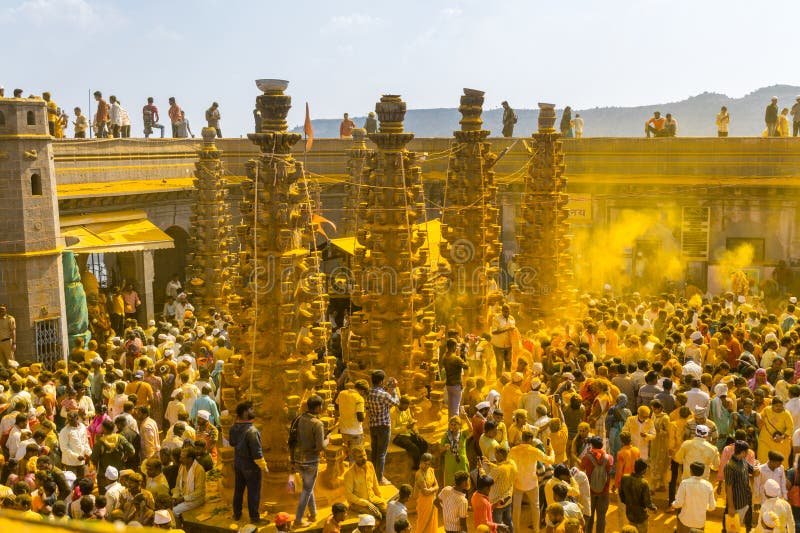
The temple complex has traditional stone architecture, large gateways, pillars and deepmalas. The journey to the temple itself is considered an important part of the pilgrimage.
For devotees, Jejuri is not simply a temple but a place associated with faith, tradition and the cultural heritage of Maharashtra.
Who is Lord Khandoba?
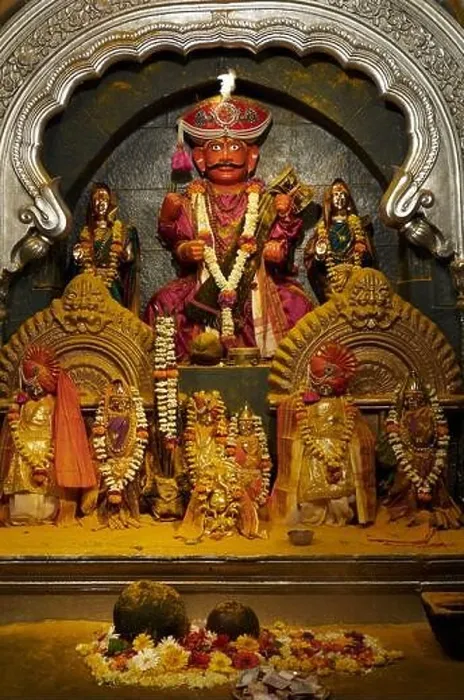
Lord Khandoba is a popular form of Lord Shiva worshipped particularly in Maharashtra, Karnataka and some other parts of India.
He is traditionally associated with courage, protection and the welfare of devotees. Many families consider Khandoba their Kuldevata (family deity) and visit Jejuri as part of their religious tradition.
The devotional chant “Yelkot Yelkot Jai Malhar” is strongly associated with Khandoba worship.
The Tradition of Bhandara
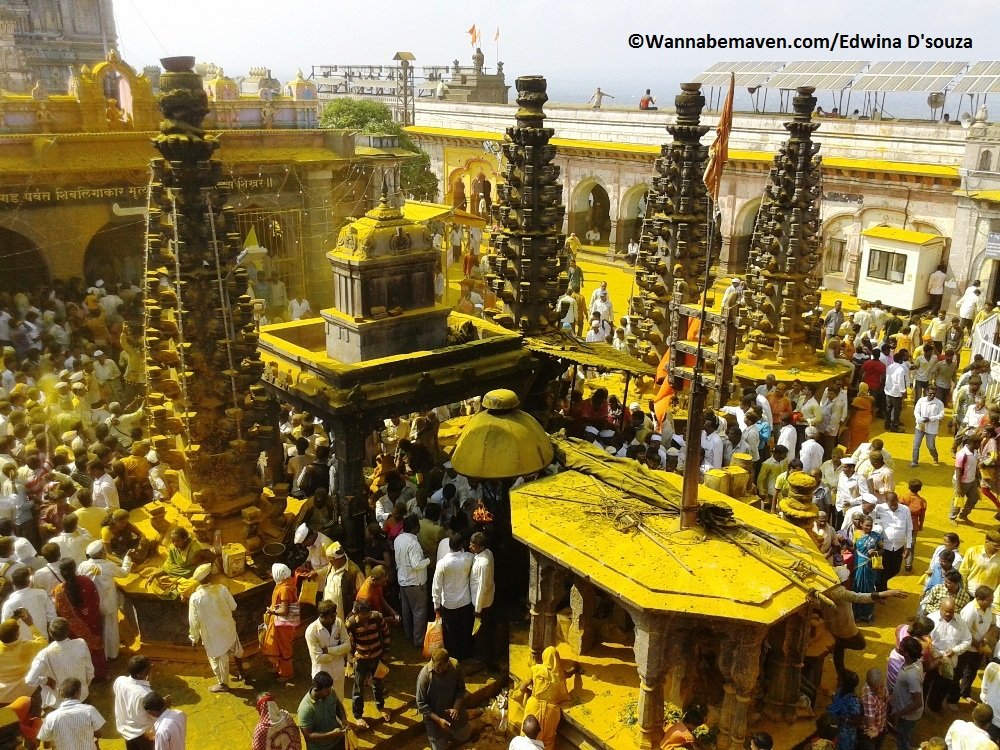
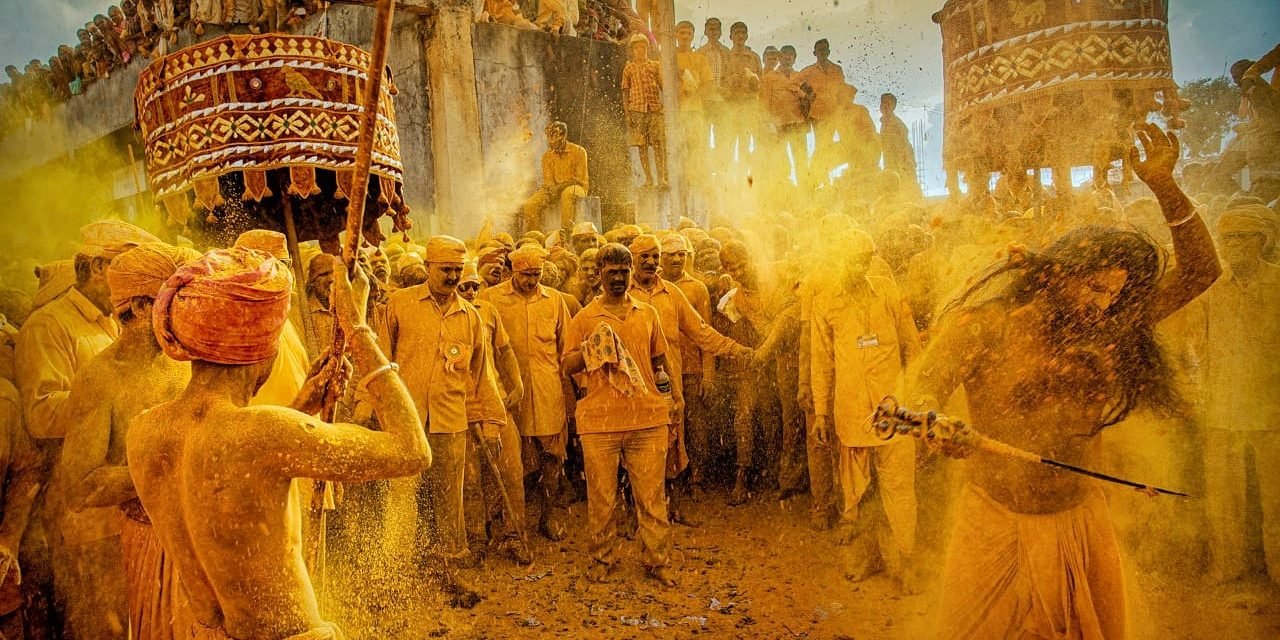
One of the most distinctive traditions of Jejuri is the use of Bhandara, or turmeric powder.
Turmeric is considered auspicious in Hindu traditions and is associated with purity, prosperity and मंगल (auspiciousness). At Jejuri, devotees offer turmeric to Lord Khandoba and participate in ceremonies in which turmeric powder is spread and showered around the temple.
During important celebrations, the entire temple area can appear covered in yellow turmeric, creating a unique devotional atmosphere.
The sight of devotees joyfully calling “Yelkot Yelkot Jai Malhar” while Bhandara fills the surroundings is one of the most recognizable traditions of Jejuri.
Why is Turmeric Offered to Khandoba?
Turmeric has an important place in Indian religious and cultural traditions. It is commonly used during पूजा, विवाह ceremonies and other auspicious occasions.
At Jejuri, turmeric has become particularly connected with the worship of Lord Khandoba. Devotees offer Bhandara as a symbol of devotion and seek the blessings of the deity.
The yellow color of turmeric also gives Jejuri its distinctive identity during major religious celebrations.
Important Festivals at Jejuri
Jejuri witnesses large gatherings of devotees during various religious occasions. Champashashti is one of the most important festivals associated with Lord Khandoba.
During the festival, special पूजा, religious ceremonies and processions are organized. Devotees gather to participate in the celebrations and seek the blessings of Lord Khandoba.
Other important occasions and family traditions also bring devotees to Jejuri throughout the year.
Champashashti and Lord Khandoba
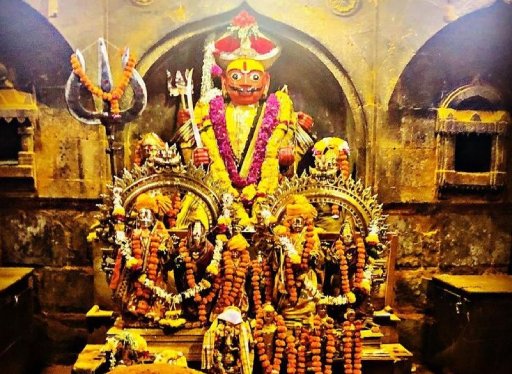
Champashashti holds special significance in Khandoba worship. According to traditional beliefs, this period is associated with Lord Khandoba's victory over the demon Mani-Malla.
Devotees remember this sacred tradition through पूजा, भजन, धार्मिक कार्यक्रम and other ceremonies.
The festival creates a powerful devotional atmosphere at Jejuri, with devotees coming from different parts of Maharashtra and neighboring states.
Religious Traditions Followed by Devotees
Devotees visiting Jejuri may participate in several traditional practices, including:
- Offering Bhandara to Lord Khandoba
- Performing पूजा and दर्शन
- Chanting “Yelkot Yelkot Jai Malhar”
- Offering flowers and other traditional पूजा सामग्री
- Participating in religious processions
- Seeking blessings for family and prosperity
- Visiting the temple as part of a family or Kuldevata tradition
These traditions have been passed down through generations and continue to remain an important part of Maharashtra's religious culture.
Jejuri and Kuldevata Tradition
For many Maharashtrian families, Lord Khandoba is regarded as a Kuldevata. Families may visit Jejuri during important occasions, festivals or family धार्मिक ceremonies.
The relationship between a family and its Kuldevata is deeply connected with tradition, faith and cultural heritage.
A visit to Jejuri can therefore hold special emotional and spiritual significance for devotees.
The Spiritual Atmosphere of Jejuri
The hilltop temple, traditional architecture, ringing bells, devotional chants and yellow Bhandara create a distinctive spiritual environment.
For many devotees, climbing the temple steps and finally having दर्शन of Lord Khandoba is considered a deeply meaningful experience.
The atmosphere becomes especially vibrant during festivals when thousands of devotees gather to participate in religious celebrations.
Cultural Importance of Jejuri
Jejuri is an important part of Maharashtra's religious and cultural heritage. The traditions associated with Lord Khandoba have influenced folk culture, devotional songs, festivals and family customs for generations.
The famous expression “Yelkot Yelkot Jai Malhar” has become closely connected with Khandoba devotion and is widely recognized in Maharashtra.
Conclusion
The Shri Khandoba Temple, Jejuri is a significant pilgrimage destination where faith, tradition and culture come together. The unique Bhandara tradition, the chanting of “Yelkot Yelkot Jai Malhar,” the celebration of Champashashti and the Kuldevata tradition make Jejuri an important spiritual place for devotees.
For those who have faith in Lord Khandoba, a visit to Jejuri is an opportunity to experience devotion, tradition and the rich religious heritage of Maharashtra.
Yelkot Yelkot Jai Malhar! 🙏
Shri Khanderaya Maharaj Ki Jai!