
Ashtavinayak Temples in Maharashtra: Complete Guide to the Eight Sacred Ganesha Temples
Sep 22, 2026 · 6 min read · 131 views
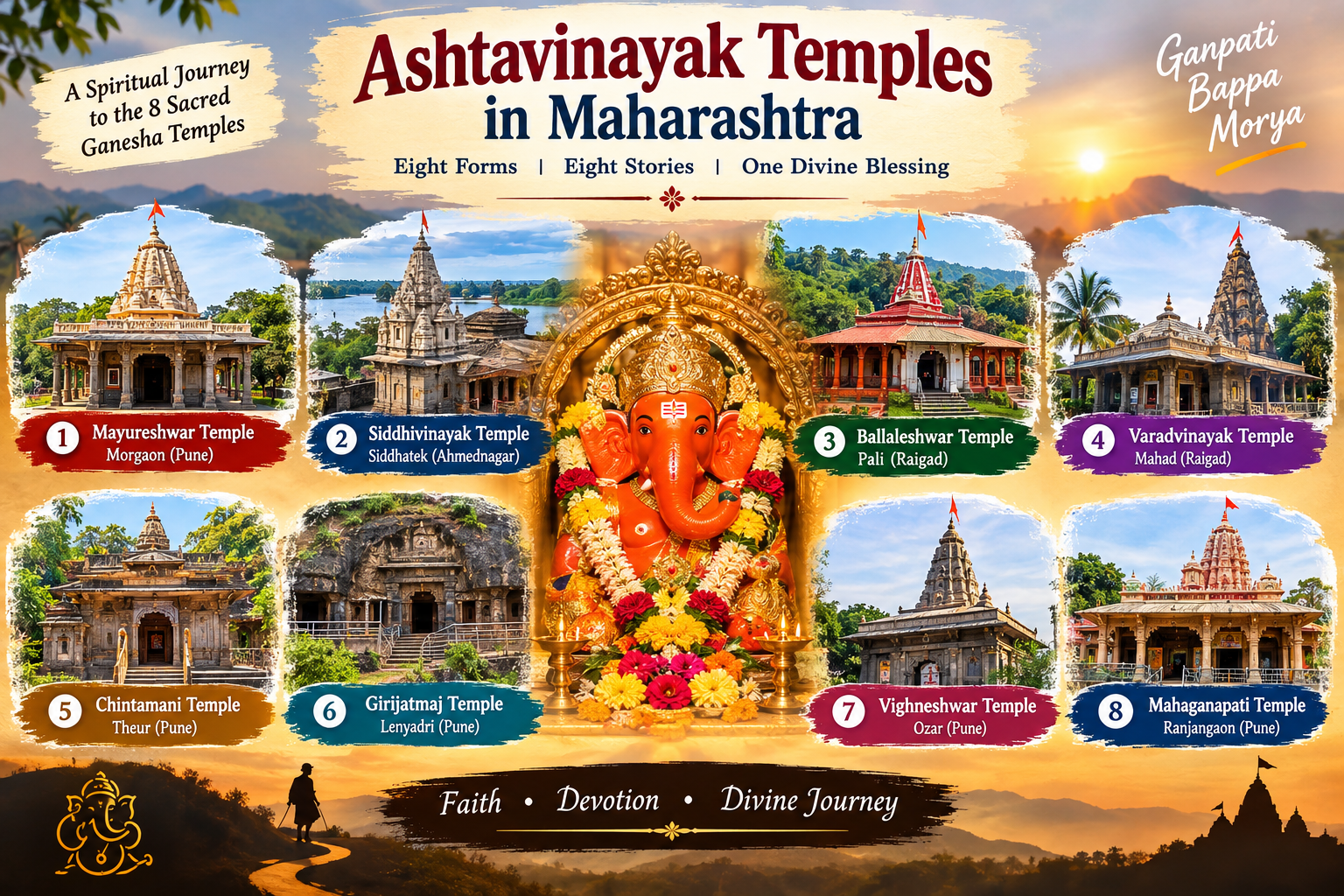
Maharashtra is home to many ancient and sacred temples dedicated to Lord Ganesha. Among them, the Ashtavinayak temples hold a special place in the hearts of devotees. “Ashtavinayak” means eight forms of Lord Ganesha, worshipped at eight ancient temples located in different parts of Maharashtra.
The Ashtavinayak pilgrimage is considered an important spiritual journey for Ganesha devotees. Each temple has its own history, legend, unique idol, and religious significance. Devotees traditionally visit all eight temples in a specific sequence and complete the pilgrimage by returning to the first temple.
What is Ashtavinayak?
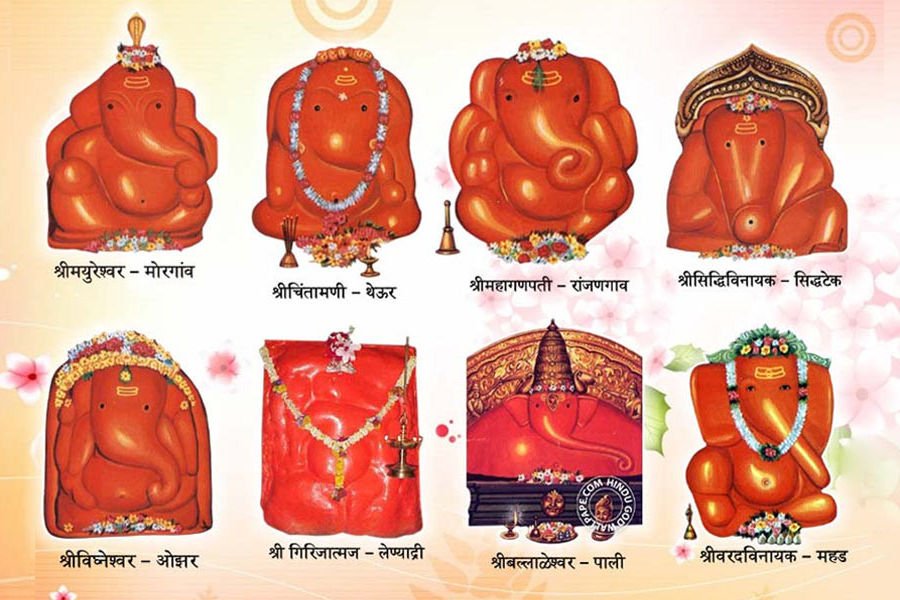
The word Ashtavinayak comes from two Sanskrit words: “Ashta,” meaning eight, and “Vinayak,” a name of Lord Ganesha.
The Ashtavinayak Yatra includes eight temples dedicated to eight different forms of Lord Ganesha. These temples are mainly located in the Pune, Raigad, and Ahmednagar regions of Maharashtra.
The idols at these temples are traditionally regarded as Swayambhu, meaning self-manifested. Each form of Ganesha is associated with a different story from Hindu religious traditions.
1. Mayureshwar Temple – Morgaon
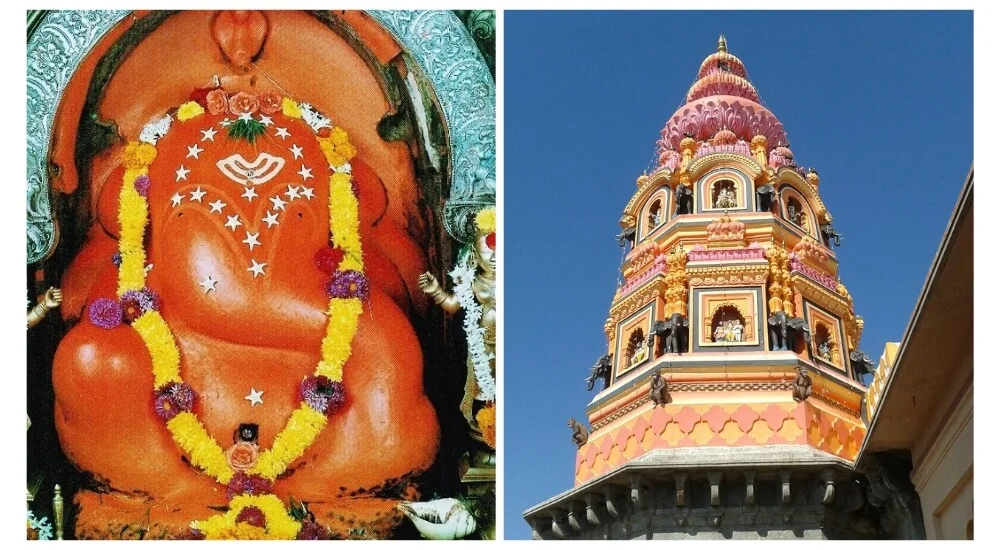
The first temple in the traditional Ashtavinayak pilgrimage is the Mayureshwar Temple at Morgaon in Pune district.
Lord Ganesha is worshipped here as Mayureshwar, also known as Moreshwar. According to tradition, Lord Ganesha defeated the demon Sindhu while riding a peacock.
The temple has a beautiful stone structure and is surrounded by traditional architectural features. Morgaon is considered an important center of Ganesha devotion.
Location: Morgaon, Pune District
Form of Ganesha: Mayureshwar / Moreshwar
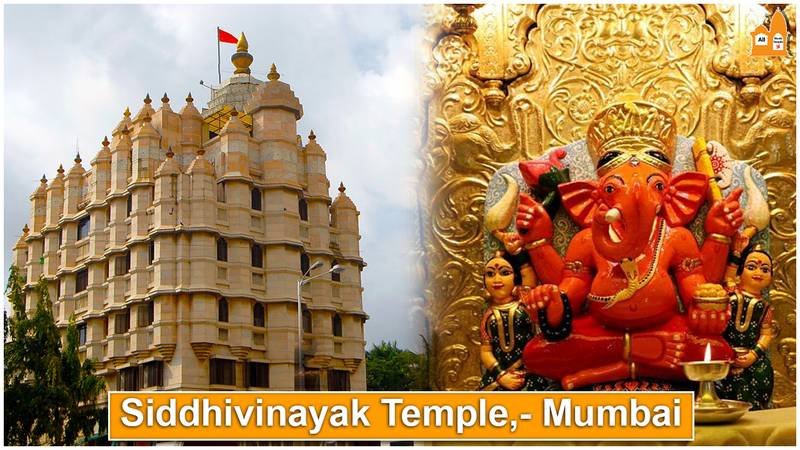
2. Siddhivinayak Temple – Siddhatek
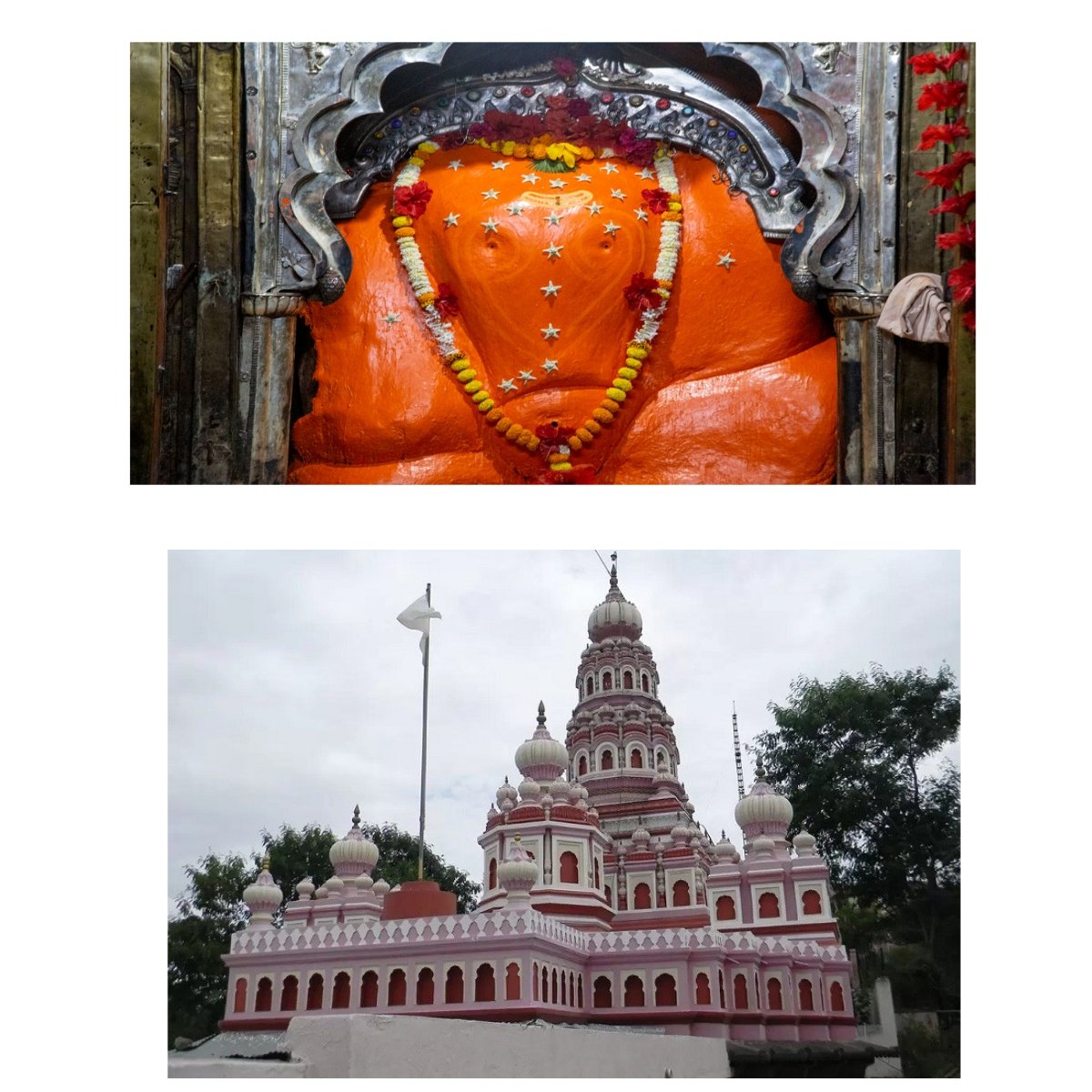
The second temple is the Siddhivinayak Temple at Siddhatek.
Here Lord Ganesha is worshipped as Siddhivinayak, the giver of spiritual accomplishments and success. The temple is situated near the Bhima River.
Devotees visit this temple seeking blessings for success, wisdom, and the removal of obstacles.
Location: Siddhatek, Ahmednagar District
Form of Ganesha: Siddhivinayak
3. Ballaleshwar Temple – Pali
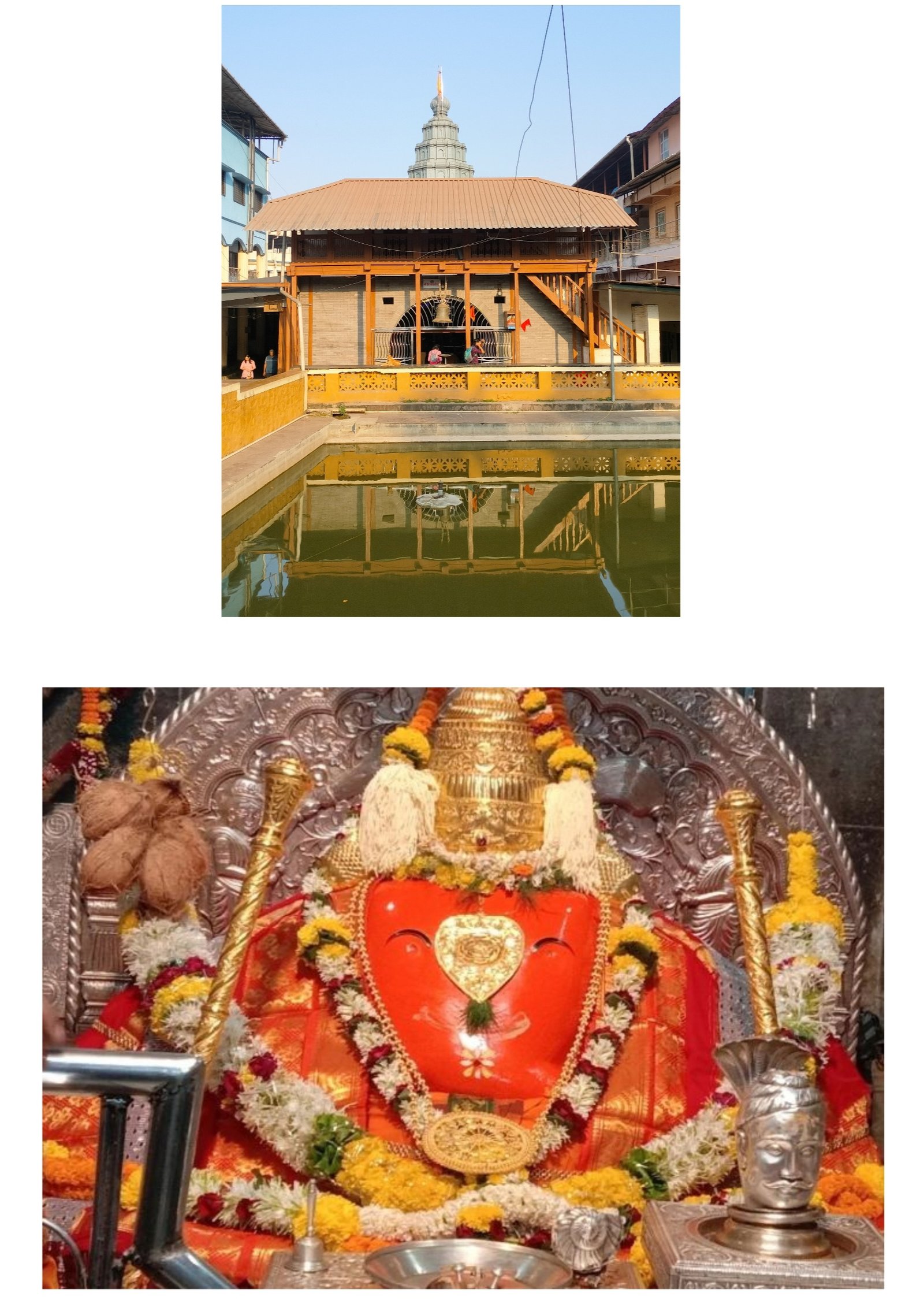
The third Ashtavinayak temple is Ballaleshwar Temple at Pali in Raigad district.
The temple is associated with the story of a young devotee named Ballal, whose deep devotion to Lord Ganesha is remembered in the temple tradition.
Lord Ganesha appeared before Ballal and blessed him. Because of this story, Ganesha is worshipped here as Ballaleshwar.
Location: Pali, Raigad District
Form of Ganesha: Ballaleshwar
4. Varadvinayak Temple – Mahad
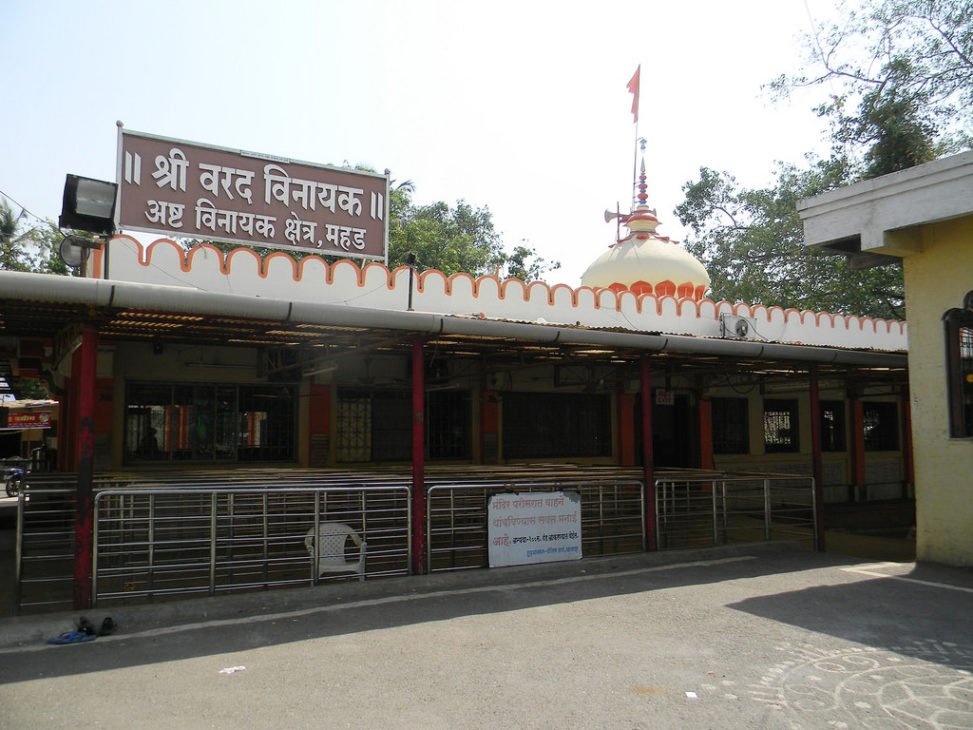
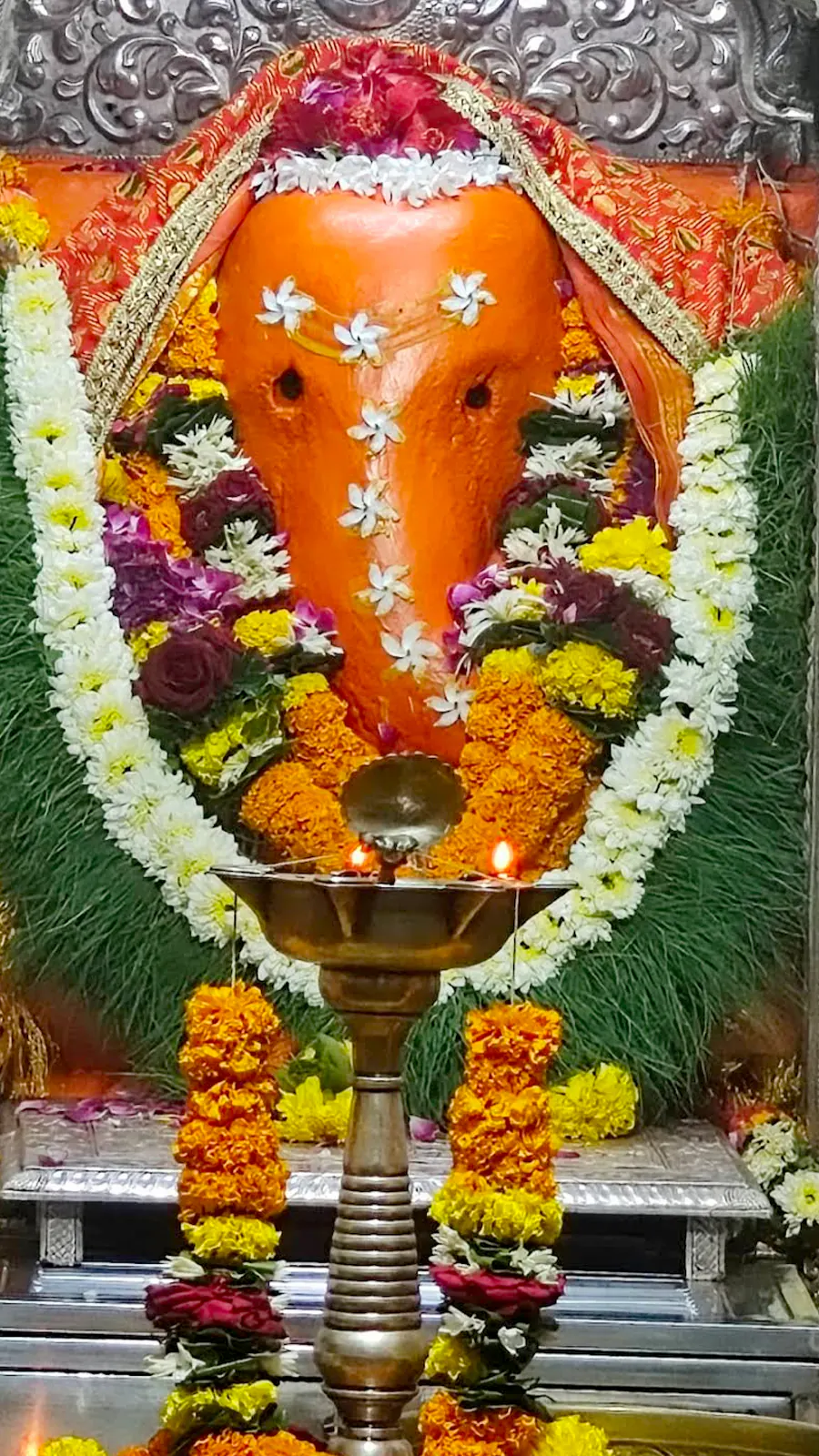
The fourth temple is the Varadvinayak
Temple at Mahad.
Lord Ganesha is worshipped here as Varadvinayak, meaning the giver of blessings and boons. Devotees visit the temple to seek divine blessings for happiness, prosperity, and fulfillment of sincere wishes.
The temple is surrounded by a peaceful natural environment, making it a popular spiritual destination.
Location: Mahad, Raigad District
Form of Ganesha: Varadvinayak
5. Chintamani Temple – Theur
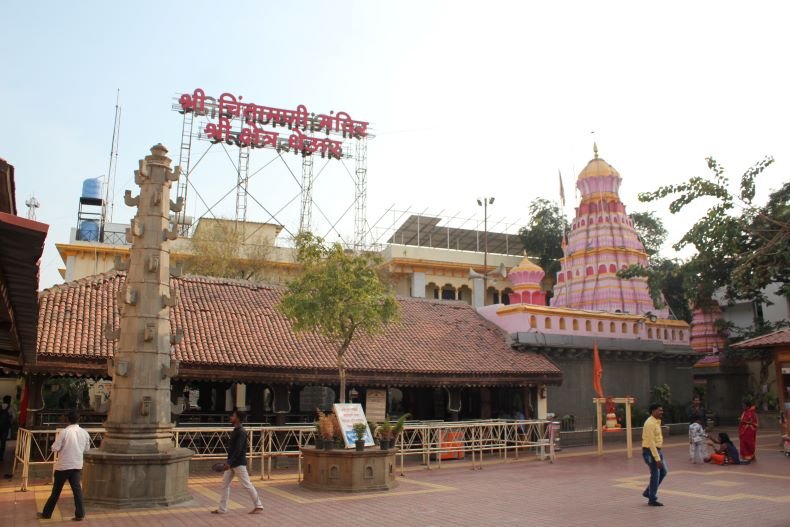
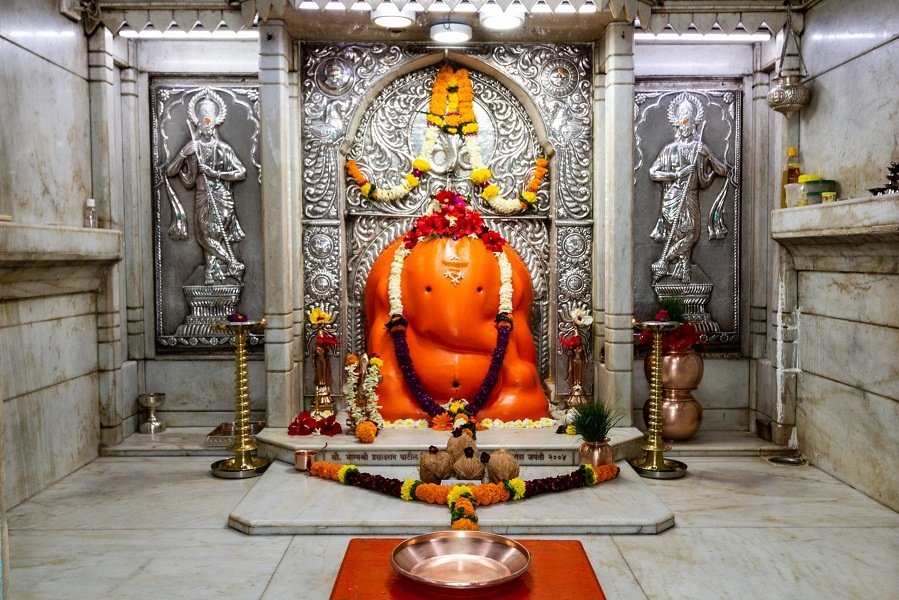
The fifth temple is the Chintamani Temple at Theur, near Pune.
The name “Chintamani” is associated with the idea of removing worries and bringing peace to the mind. According to traditional stories, Lord Ganesha helped remove the troubles of his devotees.
The temple is therefore considered an important place for devotees who pray for mental peace and freedom from worries.
Location: Theur, Pune District
Form of Ganesha: Chintamani
6. Girijatmaj Temple – Lenyadri
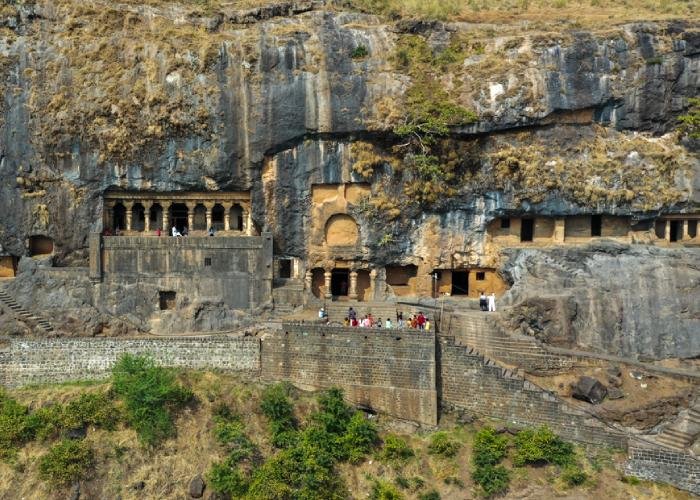
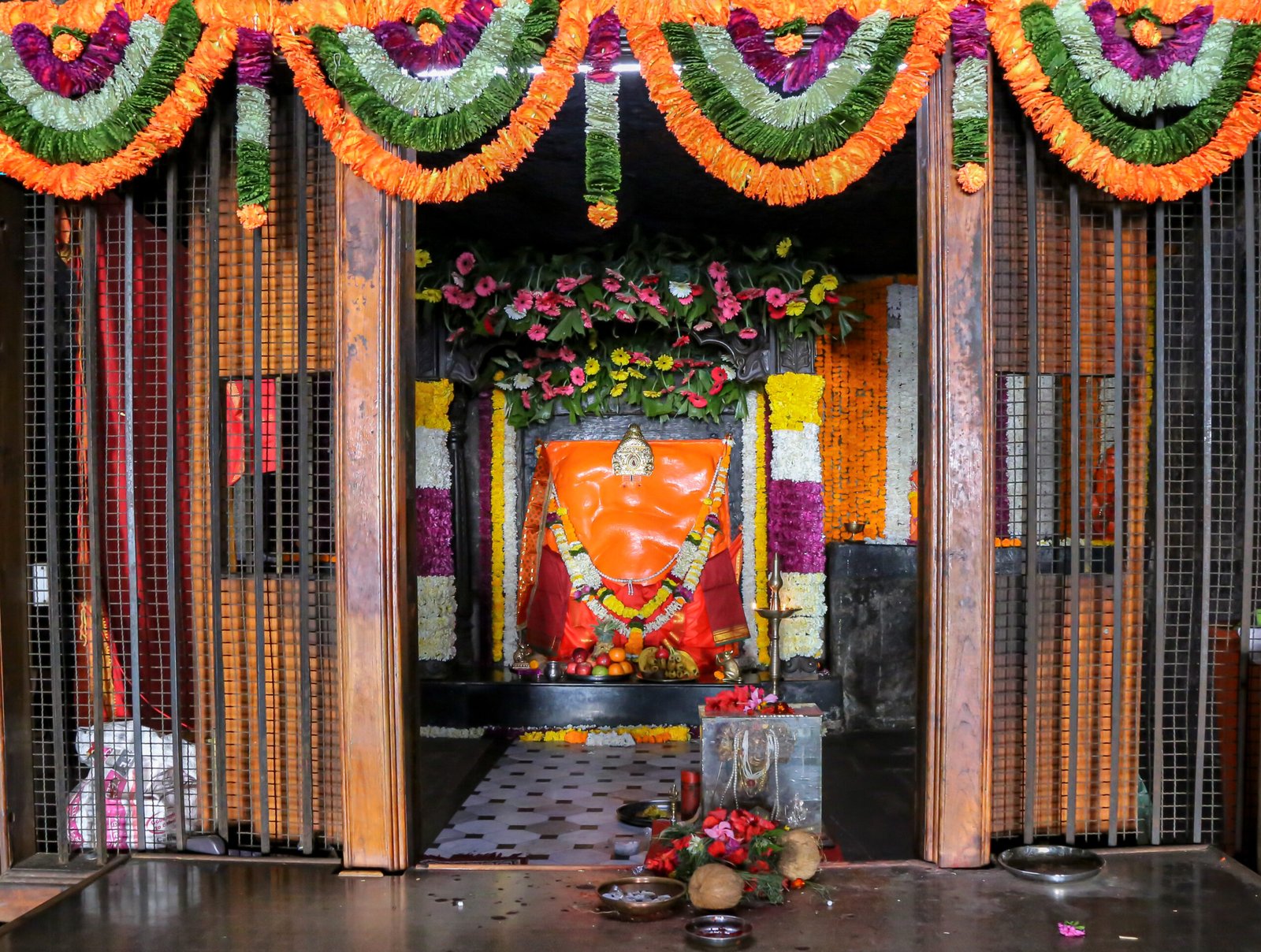
The sixth Ashtavinayak temple is the
Girijatmaj Temple at Lenyadri.
Unlike the other temples, this temple is located inside a series of ancient rock-cut caves. According to tradition, Goddess Parvati performed penance here and Lord Ganesha appeared as her son.
Ganesha is worshipped here as Girijatmaj, a name associated with Goddess Girija, another name of Parvati.
Location: Lenyadri, Pune District
Form of Ganesha: Girijatmaj
7. Vighneshwar Temple – Ozar
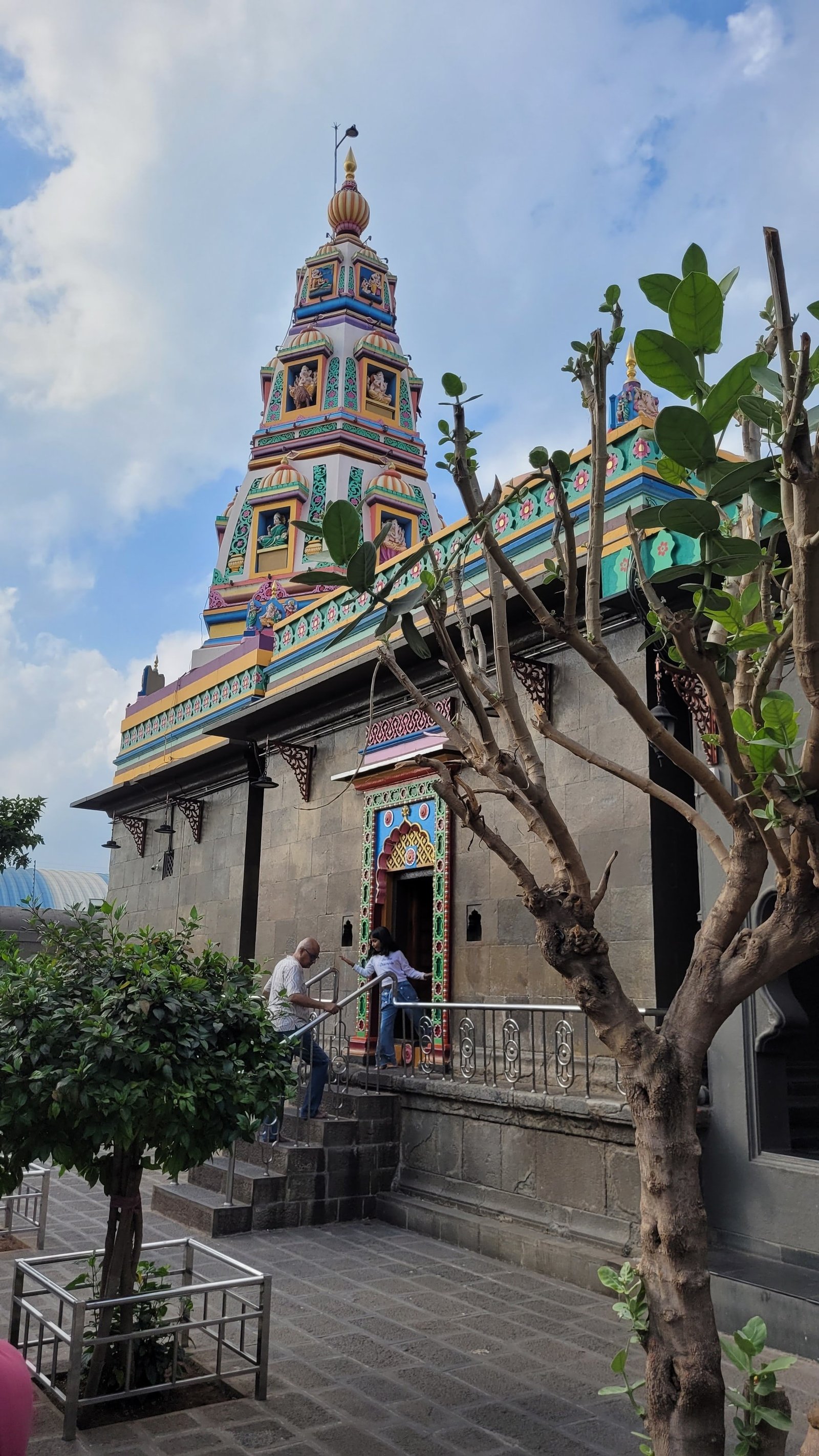
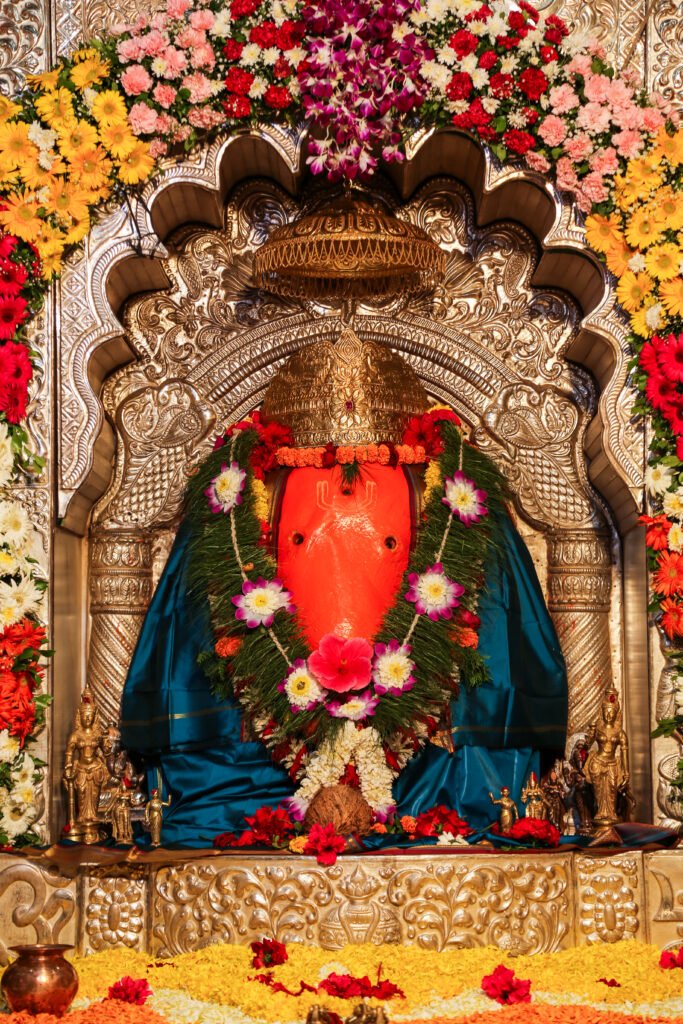
The seventh temple is the Vighneshwar Temple at Ozar.
Lord Ganesha is worshipped here as Vighneshwar, the remover of obstacles. According to traditional belief, Ganesha defeated the demon Vighnasur and protected devotees from difficulties.
The temple is known for its attractive architecture and peaceful spiritual atmosphere.
Location: Ozar, Pune District
Form of Ganesha: Vighneshwar
8. Mahaganapati Temple – Ranjangaon
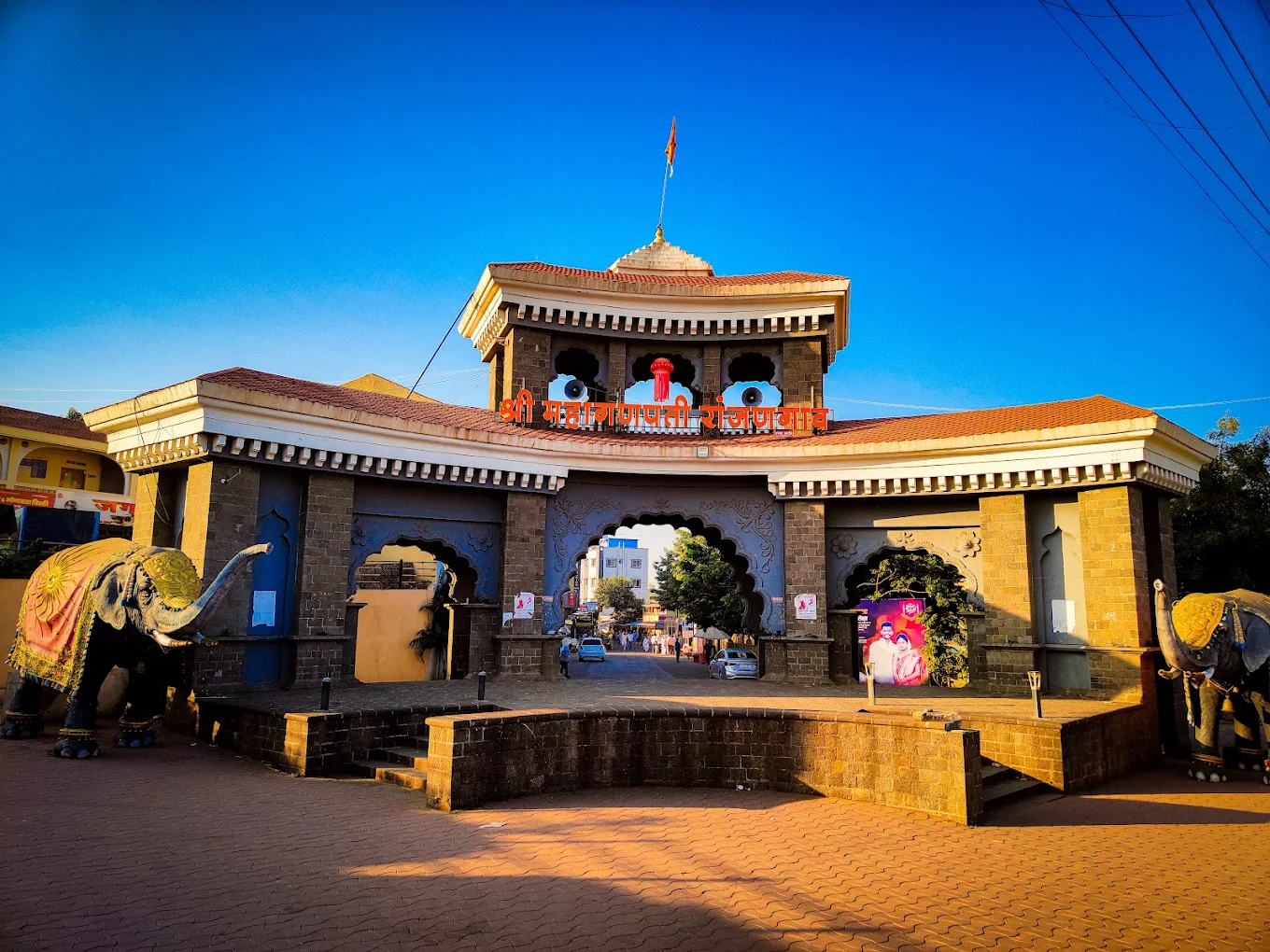
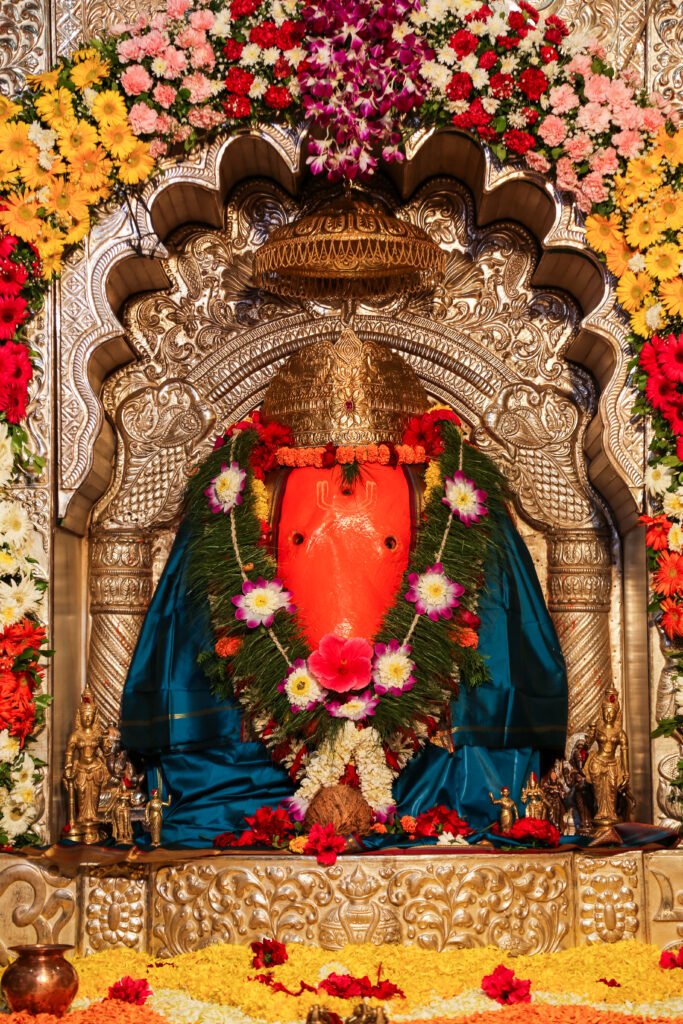
The eighth temple is the Mahaganapati Temple at Ranjangaon in Pune district.
Here Lord Ganesha is worshipped as Mahaganapati, representing a powerful and grand form of Ganesha.
According to traditional stories, Lord Ganesha helped Lord Shiva in his battle against the demon Tripurasura. The temple is therefore associated with an important episode in Hindu religious tradition.
Location: Ranjangaon, Pune District
Form of Ganesha: Mahaganapati
Traditional Ashtavinayak Yatra
The traditional sequence of the Ashtavinayak pilgrimage is:
1. Mayureshwar – Morgaon
2. Siddhivinayak – Siddhatek
3. Ballaleshwar – Pali
4. Varadvinayak – Mahad
5. Chintamani – Theur
6. Girijatmaj – Lenyadri
7. Vighneshwar – Ozar
8. Mahaganapati – Ranjangaon
Traditionally, devotees complete the pilgrimage by returning to Morgaon, the starting point.
Spiritual Importance of Ashtavinayak
The Ashtavinayak temples represent different forms and stories associated with Lord Ganesha. Devotees believe that visiting these sacred temples with faith and devotion brings blessings, peace, wisdom, and strength.
The pilgrimage is not only a religious journey but also an opportunity to experience Maharashtra's ancient temples, culture, traditions, architecture, and beautiful landscapes.
Best Time to Visit Ashtavinayak Temples
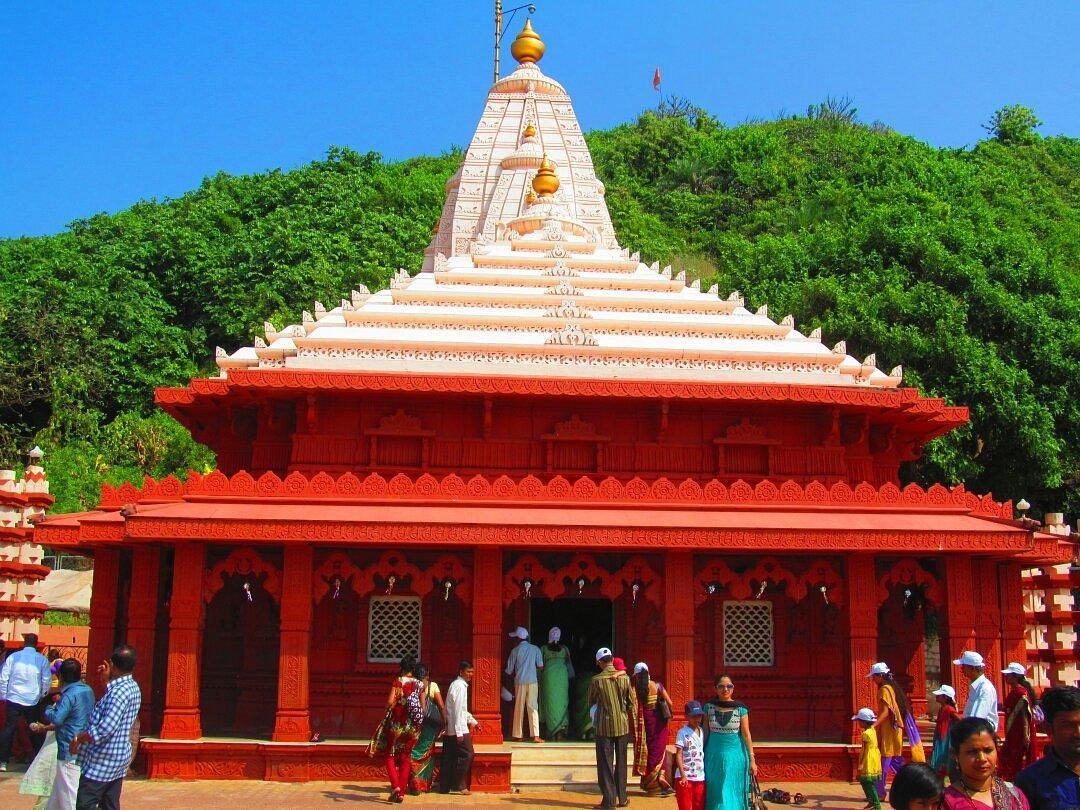
Devotees visit the Ashtavinayak temples throughout the year. However, festivals such as Ganesh Chaturthi and other important occasions dedicated to Lord Ganesha attract large numbers of pilgrims.
Those planning a pilgrimage should check temple timings, local travel conditions, accommodation, and festival crowds before beginning their journey.
Conclusion
The Ashtavinayak temples of Maharashtra are among the most revered pilgrimage destinations for Lord Ganesha devotees. Each temple has its own unique form, legend, history, and spiritual significance.
From Mayureshwar at Morgaon to Mahaganapati at Ranjangaon, the Ashtavinayak Yatra offers devotees an opportunity to explore the deep traditions of Hindu spirituality and Maharashtra's rich cultural heritage.
For devotees of Lord Ganesha, visiting these eight sacred temples can be a memorable spiritual experience filled with faith, devotion, and divine blessings.
Ganpati Bappa Morya! 🙏
Frequently Asked Questions
How many temples are there in Ashtavinayak Yatra?
There are eight principal temples dedicated to different forms of Lord Ganesha.
Where does the traditional Ashtavinayak Yatra begin?
The traditional pilgrimage begins at Mayureshwar Temple in Morgaon.
Which Ganesha temple is located inside caves?
The Girijatmaj Temple at Lenyadri is located in an ancient rock-cut cave complex.
What does Ashtavinayak mean?
“Ashtavinayak” means eight forms of Lord Ganesha.
Which Ashtavinayak temple is associated with Ballal?
The Ballaleshwar Temple at Pali is associated with the traditional story of the devotee Ballal.
Why is the Ashtavinayak Yatra important?
It is an important pilgrimage for Ganesha devotees and provides an opportunity to visit eight sacred temples associated with different forms and legends of Lord Ganesha.
#Ashtavinayak #GanpatiBappaMorya #LordGanesha #GaneshTemple #MaharashtraTemples #AshtavinayakYatra #HinduTemples #SanatanDharma #Ganpati #SpiritualJourney
More in Temples
1 Comments
Rajesh · 2 weeks ago
This guide offers helpful insights into Maharashtra’s eight sacred Ashtavinayak temples and their significance.