Ghatasthapana: Significance, Puja Vidhi, Kalash Sthapana and Navratri Traditions
Sep 30, 2026 · 5 min read · 411 views
Introduction
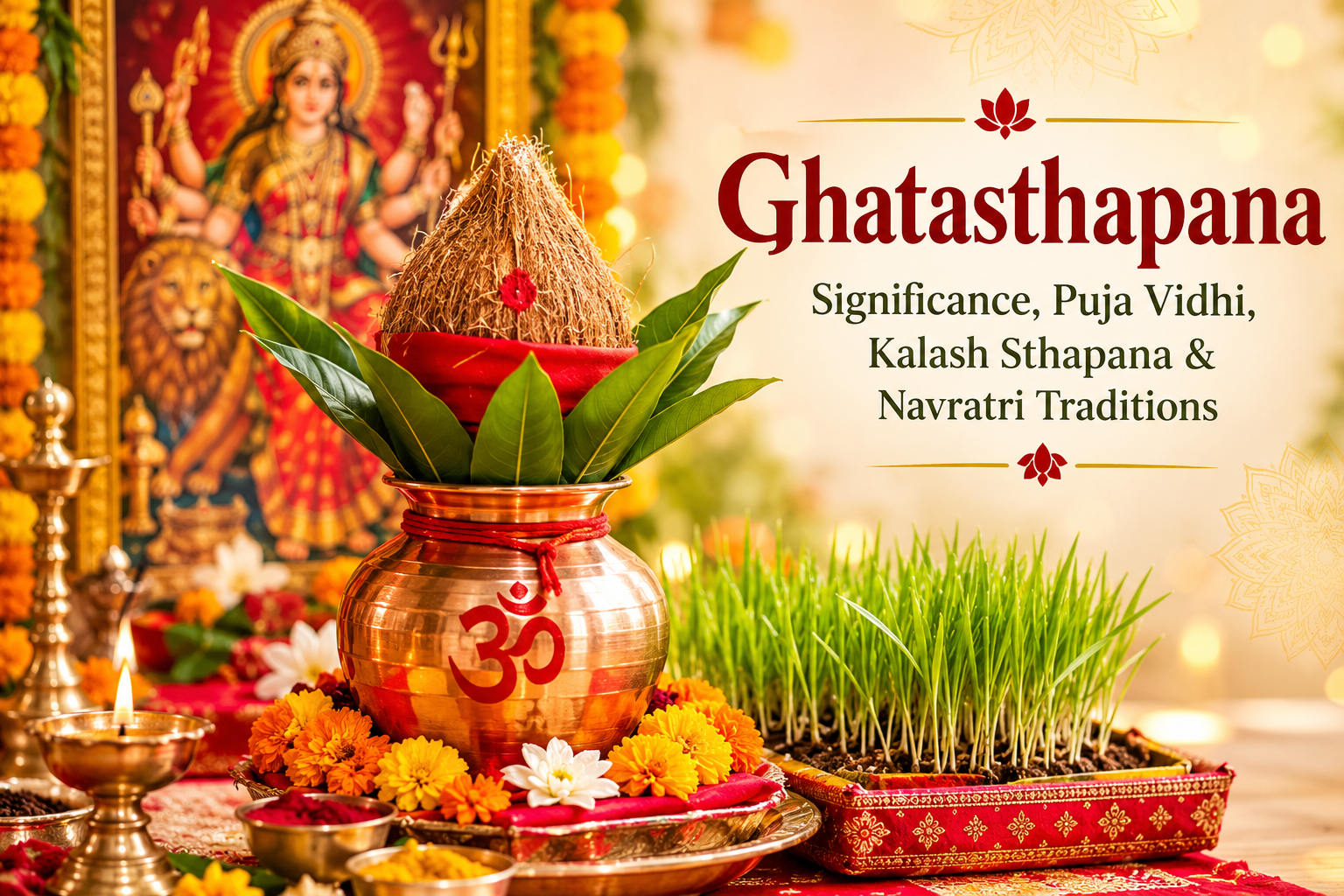
Ghatasthapana is one of the most important rituals performed at the beginning of Navratri, a sacred Hindu festival dedicated to Goddess Durga and her divine forms. It marks the beginning of the nine-day Navratri celebration and is considered an auspicious ritual in many Hindu households and temples.
The word “Ghatasthapana” refers to the installation of a sacred Kalash (pot). The Kalash is placed with devotion and worshipped as a symbol of divine energy, prosperity, purity, and abundance.
For devotees, Ghatasthapana is a time to seek the blessings of Goddess Durga and begin Navratri with faith, devotion, and positive intentions.
What is Ghatasthapana?
Ghatasthapana, also known as Kalash Sthapana, is the ritual of establishing a sacred Kalash at the beginning of Navratri.
The Kalash is traditionally filled with water and decorated with mango leaves and a coconut. It represents the presence of divine energy and is worshipped throughout the Navratri period.
In many traditions, barley seeds are also sown near the Kalash. Their growth during the nine days is considered a symbolic representation of prosperity, growth, and abundance.
Spiritual Significance of Ghatasthapana
Ghatasthapana has deep spiritual importance in Hindu tradition.
The sacred Kalash represents:
- Divine energy and positive spiritual power
- Prosperity and abundance
- Purity and auspiciousness
- Creation and fertility
- The presence of Goddess Shakti
- Hope, growth, and new beginnings
Navratri is associated with the worship of Shakti, the divine feminine power. Ghatasthapana therefore symbolizes welcoming this divine energy into the home.
Ghatasthapana Puja Items

The exact materials may vary according to family and regional traditions. Commonly used items include:
- A clean Kalash or copper/brass pot
- Clean water
- Mango leaves
- Coconut
- Red or yellow cloth
- Rice or grains
- Kumkum
- Turmeric
- Flowers
- Durva grass, where traditionally used
- Barley seeds
- Soil for sowing barley
- Incense sticks
- Diya
- Fruits and other offerings
Devotees may also keep an image or idol of Goddess Durga near the Kalash.
How is Ghatasthapana Performed?
Ghatasthapana is generally performed in a clean and peaceful place in the puja area.
1. Clean the Puja Area
The place where the Kalash will be installed is cleaned properly. A traditional rangoli may also be made around the  puja space.
2. Prepare the Sacred Soil
In traditions where barley is grown, clean soil is placed in a suitable vessel and barley seeds are sown in it.
3. Prepare the Kalash
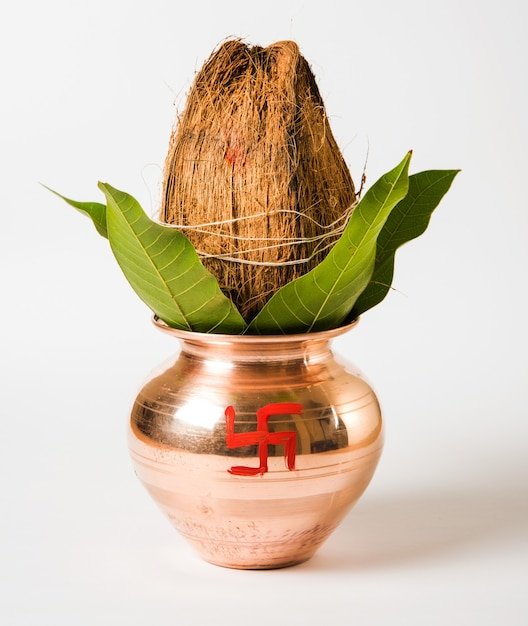
The Kalash is cleaned and filled with water. Rice, coins, or other auspicious items may be placed inside according to family tradition.
4. Place Mango Leaves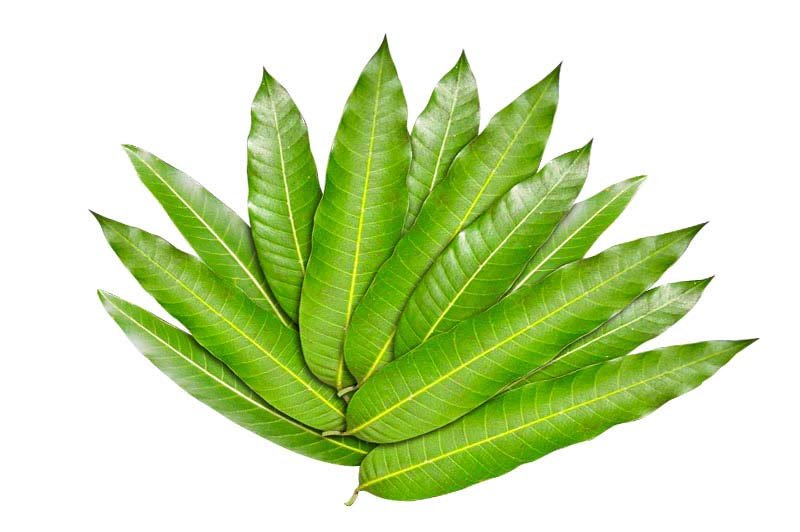
Mango leaves are traditionally arranged around the opening of the Kalash.
5. Place the Coconut
A coconut is wrapped or decorated with a sacred cloth and placed on top of the Kalash.
6. Worship Goddess Durga
After establishing the Kalash, devotees worship Goddess Durga with flowers, kumkum, incense, diya, prayers, and devotional offerings.
7. Begin the Navratri Worship
Once Ghatasthapana is completed, devotees begin their Navratri prayers and daily worship according to their family tradition.
Importance of Barley During Navratri
Barley, commonly known as Jow, is traditionally associated with Ghatasthapana in many regions.
The seeds are sown at the beginning of Navratri and allowed to grow during the nine days. The growing shoots are considered a symbolic representation of life, growth, prosperity, and abundance.
Different regions and families may have different interpretations and customs associated with the barley shoots.
Ghatasthapana and Goddess Durga
Navratri celebrates the divine feminine power of Goddess Durga. During the nine days, devotees worship different forms of the Goddess.
Ghatasthapana marks the spiritual beginning of this sacred period. Devotees pray for strength, peace, prosperity, wisdom, and protection.
The ritual also reminds devotees that spiritual growth begins with faith, discipline, and devotion.
Ghatasthapana in Different Regions of India
Ghatasthapana is celebrated across India, although the customs and names may differ from region to region.
In Maharashtra, the beginning of Navratri is celebrated with great devotion, and many households establish the sacred Kalash.
In Gujarat, Navratri is famous for Garba and Dandiya celebrations along with devotional worship.
In North India, Navratri is observed through prayers, fasting, devotional programs, and worship of Goddess Durga.
In West Bengal, the Durga Puja tradition has its own distinctive rituals and celebrations.
These regional traditions show the rich diversity of Hindu culture while sharing devotion to Shakti.
Spiritual Message of Ghatasthapana
Ghatasthapana teaches us to welcome positivity and divine consciousness into our lives.
The growing barley reminds us that growth takes time and requires care. The sacred Kalash represents abundance and divine presence. The lamp represents light overcoming darkness.
The festival encourages devotees to leave behind negativity and begin a new spiritual journey with faith and devotion.
Frequently Asked Questions
What is Ghatasthapana?
Ghatasthapana is the ritual of establishing a sacred Kalash at the beginning of Navratri.
Why is a Kalash used during Navratri?
The Kalash is traditionally regarded as a symbol of divine energy, prosperity, purity, and abundance.
What is the significance of barley during Ghatasthapana?
Barley seeds are traditionally sown during Ghatasthapana and their growth symbolizes prosperity, life, and spiritual growth.
Can Ghatasthapana be performed at home?
Yes. Many Hindu families perform Ghatasthapana at home according to their family traditions and customary rituals.
Which Goddess is worshipped during Navratri?
Navratri is dedicated to Goddess Durga and her various forms of Shakti.
Conclusion
Ghatasthapana is a sacred and meaningful ritual that marks the beginning of Navratri. The installation of the Kalash represents divine presence, prosperity, purity, and positive energy.
More than a traditional ritual, Ghatasthapana encourages devotees to begin the Navratri period with faith, devotion, discipline, and a positive heart. As the barley grows during the nine days, it reminds us that every new beginning has the potential for growth and abundance.
May Goddess Durga bless everyone with strength, peace, wisdom, prosperity, and happiness.
Jai Mata Di! 🙏🌺
Hashtags
#Ghatasthapana #KalashSthapana #Navratri #NavratriFestival #GoddessDurga #DurgaMaa #Shakti #HinduFestivals #SanatanDharma #HinduTraditions #NavratriPuja #IndianCulture #Spirituality #Hinduism #GhatasthapanaPuja