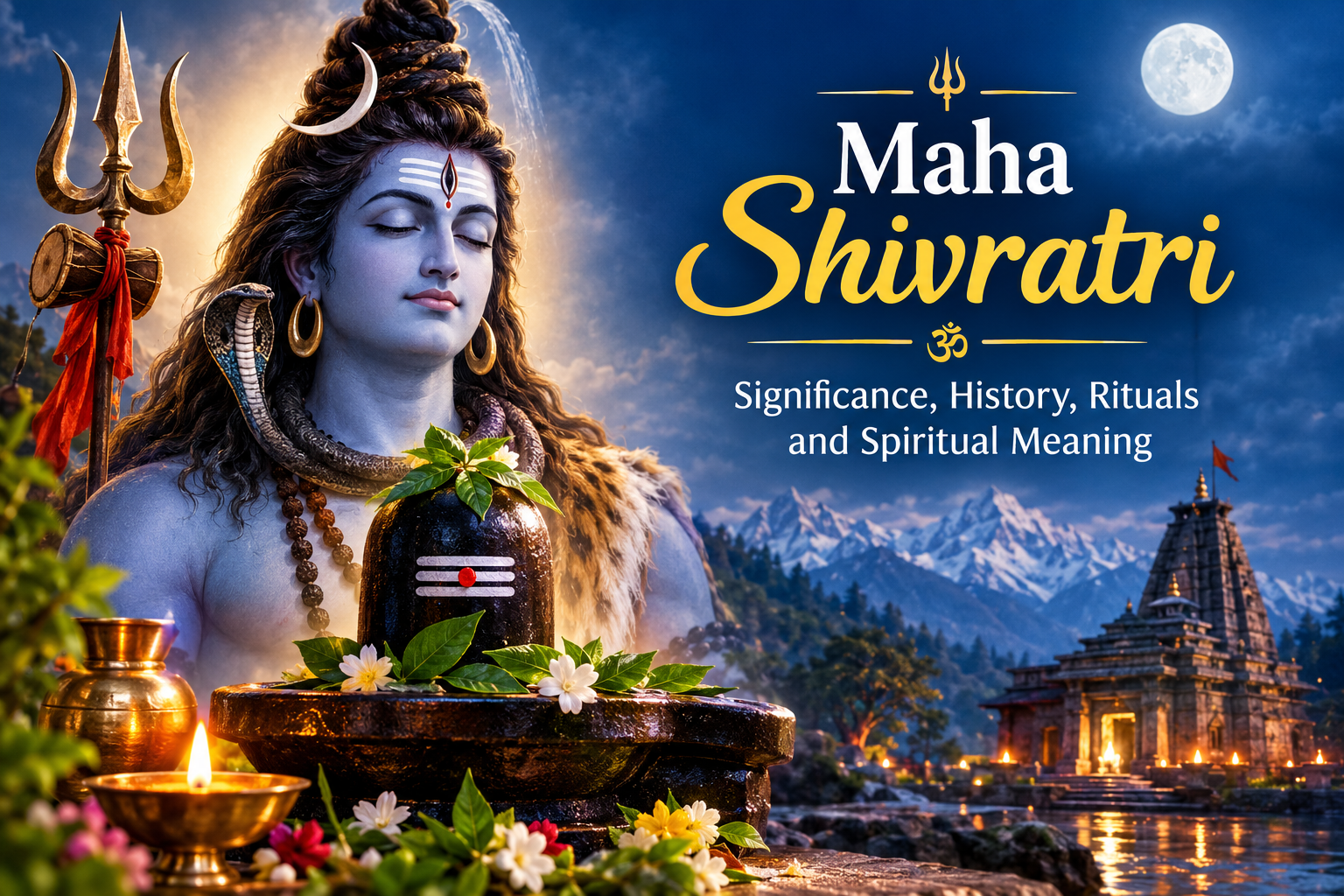
Maha Shivratri: Significance, History, Rituals and Spiritual Meaning
Sep 23, 2026 · 6 min read · 191 views
Maha Shivratri, also known as the “Great Night of Lord Shiva,” is one of the most important festivals celebrated by devotees of Lord Shiva across India and around the world. The festival is dedicated to Lord Shiva and is observed with devotion, fasting, prayers, meditation, and night-long worship.
Maha Shivratri holds deep spiritual significance in Hindu tradition. Devotees believe that sincere prayers and devotion offered to Lord Shiva on this sacred night help purify the mind, strengthen faith, and encourage a deeper connection with the divine.
What is Maha Shivratri?
The word Maha Shivratri means the “Great Night of Shiva.” It is observed on the Chaturdashi Tithi of Krishna Paksha in the month of Phalguna according to the Hindu lunar calendar.
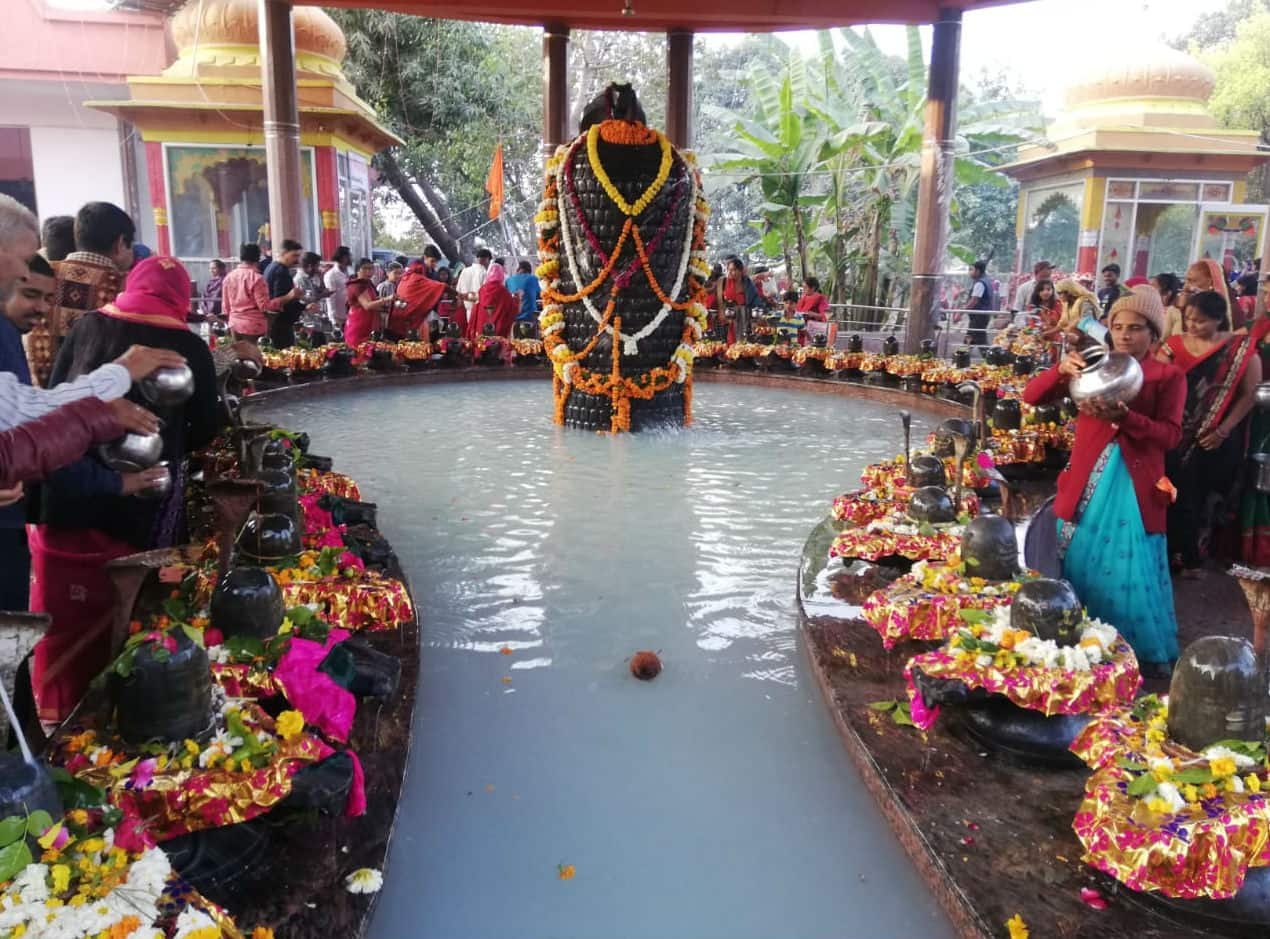
Devotees visit Shiva temples, perform Abhishekam, chant mantras, meditate, and observe fasting. Many devotees also remain awake during the night and participate in special prayers and Shiva worship.
Maha Shivratri is not only a religious festival but also a reminder of spiritual awakening, self-discipline, devotion, and inner transformation.
Why is Maha Shivratri Celebrated?
There are several traditional beliefs associated with Maha Shivratri.
According to one popular Hindu tradition, Maha Shivratri is associated with the divine union of Lord Shiva and Goddess Parvati. Devotees celebrate this occasion as a symbol of divine love, devotion, and the balance of masculine and feminine energies.
Another important tradition connects Maha Shivratri with the Samudra Manthan, or churning of the cosmic ocean. When the deadly poison known as Halahala emerged, Lord Shiva consumed it to protect the universe. According to the tradition, Goddess Parvati stopped the poison from spreading through his body.
These stories highlight Lord Shiva's compassion, sacrifice, and protection of creation.
Spiritual Significance of Maha Shivratri
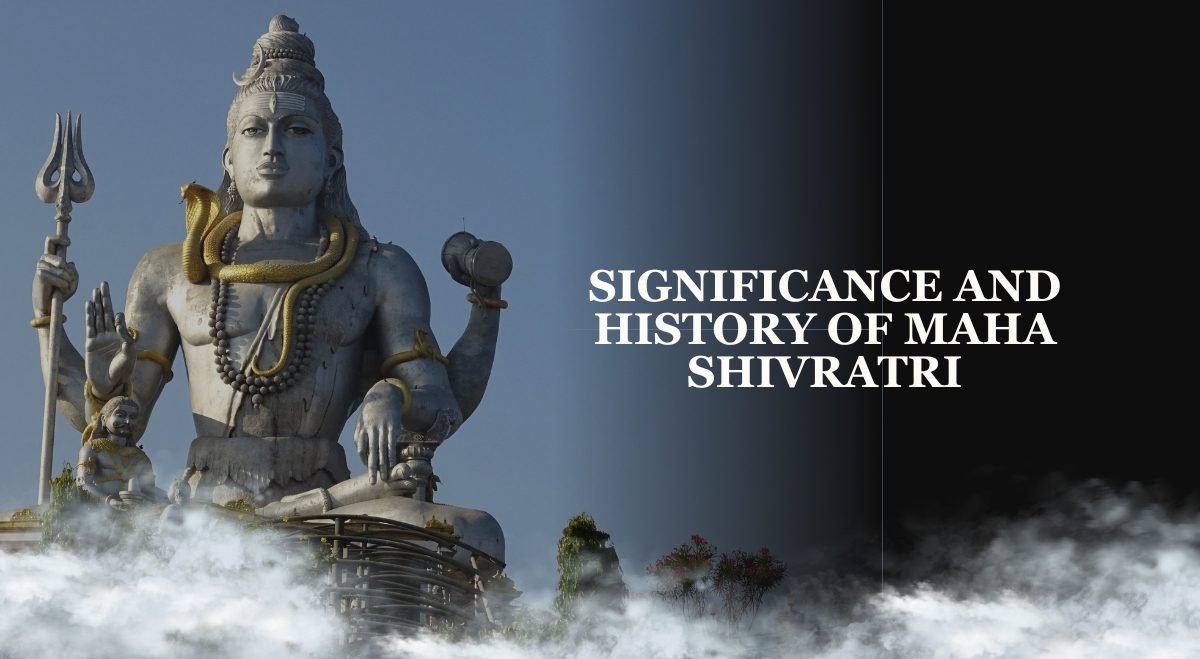
Maha Shivratri is considered a powerful occasion for spiritual practices.
The festival encourages devotees to turn their attention inward and overcome negative thoughts and habits. Fasting represents self-control, while meditation represents concentration and inner peace.
The worship of Lord Shiva reminds devotees of important spiritual values such as:
- Self-discipline
- Compassion
- Simplicity
- Forgiveness
- Devotion
- Inner peace
- Detachment from negativity
- Spiritual awareness
For many devotees, Maha Shivratri is an opportunity to begin a positive change in life.
Maha Shivratri Puja Rituals
Devotees perform various rituals on Maha Shivratri. Common practices include:
1. Fasting
Many devotees observe a fast during the day. Some consume fruits, milk, and other fasting foods, while others observe a stricter fast according to their personal tradition and health.
2. Visiting a Shiva Temple
Devotees visit Shiva temples and offer prayers. Temples are beautifully decorated and special pujas are performed throughout the day and night.
3. Shiva Abhishekam
One of the most important rituals is Abhishekam, the ceremonial bathing of the Shiva Lingam.
Devotees traditionally offer water, milk, Bilva leaves, flowers, and other offerings according to their family and regional customs.
4. Chanting Shiva Mantras
Devotees chant sacred mantras such as:
“Om Namah Shivaya”
This is one of the most well-known Shiva mantras and is traditionally chanted with devotion and concentration.
5. Night Vigil
Many devotees stay awake during the night of Maha Shivratri. Shiva prayers, bhajans, meditation, and mantra chanting may continue throughout the night.
Importance of Bilva Leaves
Bilva leaves, also known as Bel Patra, have a special place in the worship of Lord Shiva.
Devotees traditionally offer Bilva leaves to the Shiva Lingam as an act of devotion. The three-part Bilva leaf is also traditionally associated with Lord Shiva and has symbolic spiritual significance in Shiva worship.
Maha Shivratri and Meditation

Maha Shivratri is closely associated with meditation and spiritual awareness.
The peaceful atmosphere of the festival encourages devotees to spend time in prayer and contemplation. Instead of focusing only on external celebrations, devotees can use the occasion to reflect on their thoughts, actions, and spiritual journey.
Meditation, silence, and chanting can help create a peaceful environment for self-reflection.
The Message of Lord Shiva
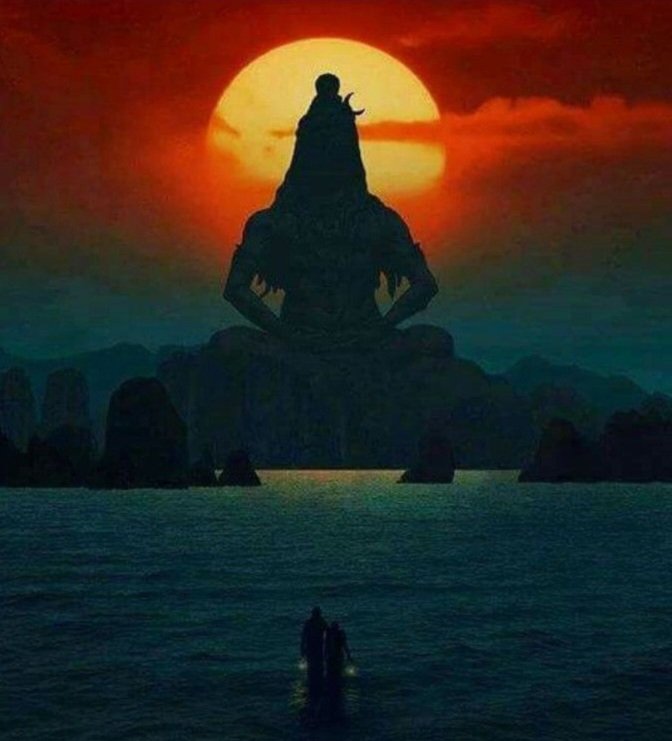
Lord Shiva is often associated with simplicity, compassion, transformation, and detachment.
The image of Shiva reminds devotees that true spiritual strength does not necessarily come from material possessions. It can come from inner stability, wisdom, patience, and devotion.
Maha Shivratri therefore carries a meaningful message: remove negativity, control the mind, remain devoted, and move towards inner peace.
How is Maha Shivratri Celebrated in India?
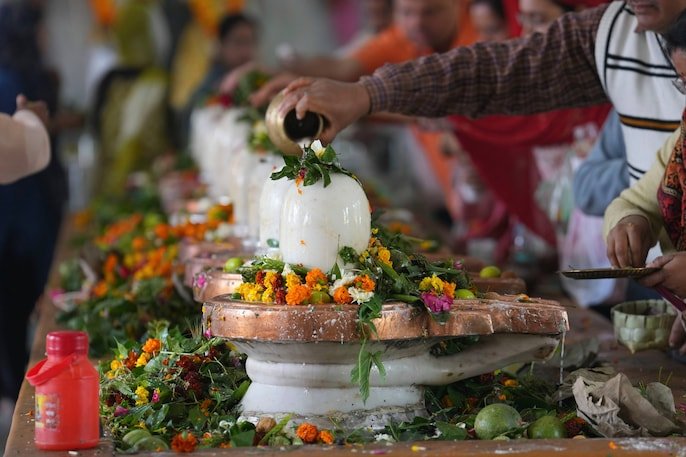
Maha Shivratri is celebrated in different ways across India. Devotees visit famous Shiva temples, organize religious programs, sing bhajans, perform Abhishekam, and observe fasting.
Some temples remain open for extended hours to allow devotees to offer prayers during the night.
Different regions have their own traditions, customs, foods, and styles of celebration, but devotion to Lord Shiva remains at the heart of the festival.
Maha Shivratri and Sanatan Dharma
Maha Shivratri is an important part of the spiritual traditions of Sanatan Dharma. It encourages people to understand the deeper meaning of devotion rather than treating spirituality only as an external ritual.
The festival provides an opportunity to practice self-control, devotion, meditation, and kindness.
For devotees, the night of Shiva becomes a time to remember the divine and seek spiritual strength.
Conclusion
Maha Shivratri is much more than a festival. It is a sacred occasion dedicated to Lord Shiva and a reminder of devotion, self-discipline, meditation, compassion, and spiritual transformation.
By fasting, chanting “Om Namah Shivaya,” performing Shiva Puja, offering Bilva leaves, meditating, and remembering Lord Shiva with devotion, devotees celebrate this sacred night.
May Lord Shiva bless everyone with peace, wisdom, strength, and happiness.
Har Har Mahadev! 🕉️🙏
Frequently Asked Questions (FAQ)
What is Maha Shivratri?
Maha Shivratri is an important Hindu festival dedicated to Lord Shiva. It is known as the Great Night of Shiva.
Why do devotees fast on Maha Shivratri?
Devotees traditionally fast as a practice of self-discipline and devotion. Fasting customs vary according to individual health, family traditions, and regional practices.
What mantra is chanted on Maha Shivratri?
A commonly chanted Shiva mantra is “Om Namah Shivaya.”
Why are Bilva leaves offered to Lord Shiva?
Bilva leaves have a traditional and sacred place in Shiva worship and are offered as a symbol of devotion.
What do devotees do during Maha Shivratri?
Devotees may fast, visit temples, perform Shiva Abhishekam, chant mantras, meditate, participate in bhajans, and observe night-long worship.
What is the spiritual meaning of Maha Shivratri?
Maha Shivratri encourages devotion, self-control, meditation, inner transformation, and freedom from negativity.
Suggested URL Slug: "maha-shivratri-significance-history-rituals"
Focus Keywords: Maha Shivratri, Maha Shivratri significance, Lord Shiva, Maha Shivratri rituals, Shiva Puja, Om Namah Shivaya, Maha Shivratri fasting
#MahaShivratri #LordShiva #HarHarMahadev #OmNamahShivaya #ShivaPuja #Mahadev #SanatanDharma #HinduFestival #Shivratri #Spirituality #Hinduism #IndianFestivals