The Mysterious Story of Lord Jagannath: Legends, Rituals and Temple Secrets
Sep 14, 2026 · 7 min read · 363 views
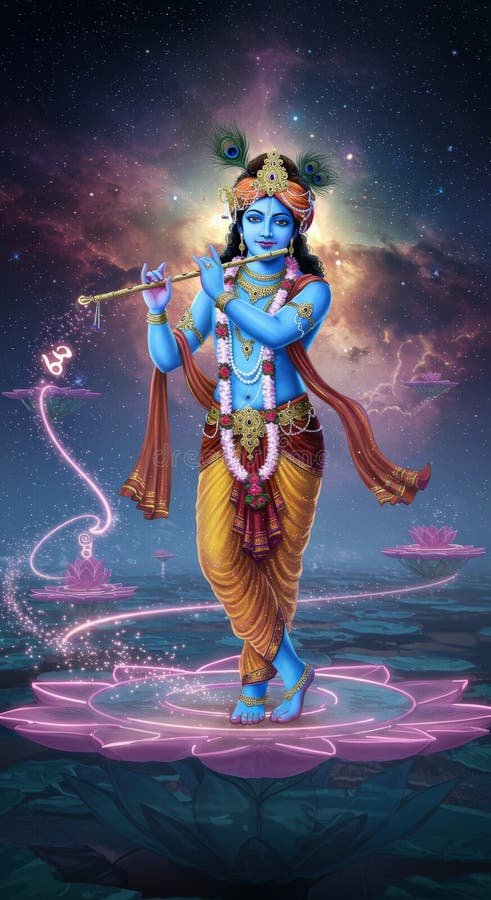
The Jagannath Temple in Puri, Odisha, is one of the most revered pilgrimage sites in India. Dedicated to Lord Jagannath, a form of Lord Krishna, the temple is famous not only for its spiritual importance but also for its unique traditions, rituals and fascinating legends.
Lord Jagannath is worshipped along with his elder brother Lord Balabhadra and sister Goddess Subhadra. Millions of devotees visit Puri every year, especially during the world-famous Rath Yatra, when the three deities are taken out of the temple in grand chariots.
Over the centuries, numerous stories and mysteries have become associated with the temple. Some are deeply rooted in religious tradition, while others remain fascinating popular beliefs.
The Legend of Lord Krishna's Heart
One of the most famous legends connected with Lord Jagannath relates to the final moments of Lord Krishna.
According to popular religious tradition, when Lord Krishna left his mortal body and his remains were cremated, his heart is believed to have remained intact. The legend says that this divine element was later placed inside the wooden idol of Lord Jagannath.
Devotees traditionally refer to this sacred element as “Brahma Padartha” or the divine substance within the deity. According to the tradition, it is transferred from the old idols to the newly carved idols during a special ceremony.
It is important to note that this is a religious belief and sacred tradition, and there is no independently verified scientific evidence establishing that Lord Krishna's physical heart is preserved inside the idol.
The Sacred Ritual of Nabakalebara
One of the most extraordinary traditions of the Jagannath Temple is known as Nabakalebara, which literally refers to the renewal or transformation of the bodies of the deities.
Unlike many stone idols, the idols of Lord Jagannath, Balabhadra, Subhadra and Sudarshan are made from specially selected neem wood. After a certain period, new wooden idols are created and the sacred essence associated with the old deities is ritually transferred into the new ones.
Nabakalebara does not occur at exactly every 12 years. It is associated with the occurrence of an extra lunar month (Adhika Masa) in the month of Ashadha, so the interval can vary.
During this highly secretive ritual, access to certain areas is restricted and the traditional transfer ceremony is performed by designated priests. The exact details of the ritual are treated as sacred and are not publicly disclosed.
What Is the Mysterious Brahma Padartha?
The Brahma Padartha is perhaps one of the most mysterious elements of the Jagannath tradition.
According to popular accounts, the sacred substance is transferred from the old idols to the new idols during Nabakalebara. The ritual is performed privately, and the priests involved follow strict traditional practices.
There are many stories about what this sacred substance looks or feels like. Some popular stories even describe it as something that appears to move or jump when touched.
However, these descriptions belong to oral traditions and popular legends. The exact nature of the Brahma Padartha is not publicly established, and the secrecy surrounding the ritual is an important part of the religious tradition.
Why Are the Idols Made of Wood?
The wooden form of Lord Jagannath is itself unusual.
The three principal deities—Jagannath, Balabhadra and Subhadra—are periodically replaced with newly carved wooden forms. This unique tradition is one of the defining features of Jagannath worship.
The renewal represents the idea that while the physical body changes, the divine essence continues.
In this sense, Nabakalebara is often understood symbolically as a reminder of transformation, renewal and the eternal nature of the soul.
The Golden Broom Tradition
Another interesting tradition associated with the Jagannath Temple is the use of a golden broom during certain ceremonial cleaning rituals.
The broom is not simply considered a cleaning tool. It has deep symbolic significance. It represents humility and service before the deity.
The tradition is also connected with the Gajapati Maharaja of Puri, who performs the ceremonial sweeping of the chariots during the Rath Yatra as part of the Chhera Pahara ritual.
The ritual carries a powerful message: even a king is a servant before Lord Jagannath.
The Mysterious Flag of the Jagannath Temple
The enormous flag flying above the temple is another feature that attracts the attention of devotees and visitors.
Traditionally, the flag is changed every day by temple servants who climb the temple structure. This daily ritual is considered highly sacred.
A popular belief says that if the flag is not changed according to tradition, the temple may face misfortune. Such beliefs form an important part of the temple's folklore, although claims about specific consequences should not be treated as scientifically established facts.
The Sudarshan Chakra
At the top of the Jagannath Temple is the Sudarshan Chakra, a sacred symbol associated with Lord Vishnu and Lord Krishna.
One fascinating popular observation is that the chakra appears to face the viewer from different directions. This has led to many stories about its unusual design and positioning.
For devotees, however, the Sudarshan Chakra represents divine protection and the eternal presence of the Lord.
Why Can't the Sea Be Heard Inside the Temple?
The Jagannath Temple is located close to the Bay of Bengal, and one popular story says that the sound of the sea seems to disappear after entering through the Singha Dwara, or Lion Gate.
According to the legend, once a devotee enters the temple, the sound of the waves cannot be heard clearly. After stepping outside, the sound of the sea becomes noticeable again.
This has become one of the most famous mysteries associated with the temple.
While devotees may interpret it spiritually, differences in architecture, acoustics, walls and surrounding structures can also influence how sound travels. Therefore, the phenomenon should be understood as a combination of temple folklore and possible acoustic effects, rather than as a proven supernatural event.
The Temple and Its Unique Architecture
The Jagannath Temple is an extraordinary example of ancient Indian temple architecture.
Its towering structure dominates the surrounding landscape and has inspired countless stories. Among the popular beliefs is the claim that the temple's main structure does not cast a visible shadow at certain times.
Such statements are often repeated in stories about the temple, but they should be treated carefully because shadows naturally depend on the position of the sun, the structure of the building and the observer's location.
The Famous Mahaprasad
The Mahaprasad of Lord Jagannath is an important part of the temple's religious tradition.
Food is prepared in traditional earthen pots using a distinctive cooking method. According to popular descriptions, several pots may be placed one above another over a wood fire.
A fascinating traditional belief says that the food in the uppermost pot can cook before the pots below it.
The temple kitchen is also renowned for preparing large quantities of Mahaprasad for devotees. Tradition holds that the food is sufficient for those who come to the temple and that the Mahaprasad is not wasted.
These practices have made the Jagannath Temple kitchen one of the most fascinating temple kitchens in India.
Lord Jagannath — The Lord of the Universe
The word Jagannath means “Lord of the Universe.”
For millions of devotees, Lord Jagannath is not merely a wooden deity. He represents the eternal presence of the Divine and the idea that the Supreme Being transcends physical form.
The large, distinctive eyes of Lord Jagannath are often interpreted as symbolizing the Lord's constant awareness and his ability to see all beings.
The annual Rath Yatra further demonstrates the unique relationship between Lord Jagannath and his devotees. During the festival, the deities leave the temple and travel through the streets of Puri, allowing people from all walks of life to receive their darshan.
A Temple Where Faith Meets Mystery
The Jagannath Temple of Puri is a remarkable combination of faith, history, architecture, ritual and folklore.
Stories about Lord Krishna's heart, the mysterious Brahma Padartha, Nabakalebara, the sacred flag, the Sudarshan Chakra, Mahaprasad and the temple's unique traditions have fascinated generations.
Some of these stories belong to ancient religious traditions, while others have developed through popular folklore. Whether one sees them as miracles, symbolism, cultural traditions or mysteries, they continue to make the Jagannath Temple one of India's most fascinating sacred places.
For devotees, however, the greatest mystery is not any individual ritual. It is the enduring spiritual presence of Lord Jagannath—the Lord of the Universe, whose worship has continued for centuries and whose Rath Yatra attracts millions of people with devotion and faith.