The Birth Story of Lord Rama – Shri Ram Janma Katha
Sep 29, 2026 · 5 min read · 220 views
Introduction
Lord Rama is one of the most revered figures in Sanatan Dharma. He is described in the Ramayana as the seventh incarnation of Lord Vishnu, who appeared on Earth to establish righteousness, protect devotees, and destroy the forces of evil.
The birth of Lord Rama is celebrated as Rama Navami, a sacred festival observed by devotees across India and around the world. The story of Shri Ram Janma is not only a divine tale but also carries important teachings about devotion, righteousness, duty, and faith.
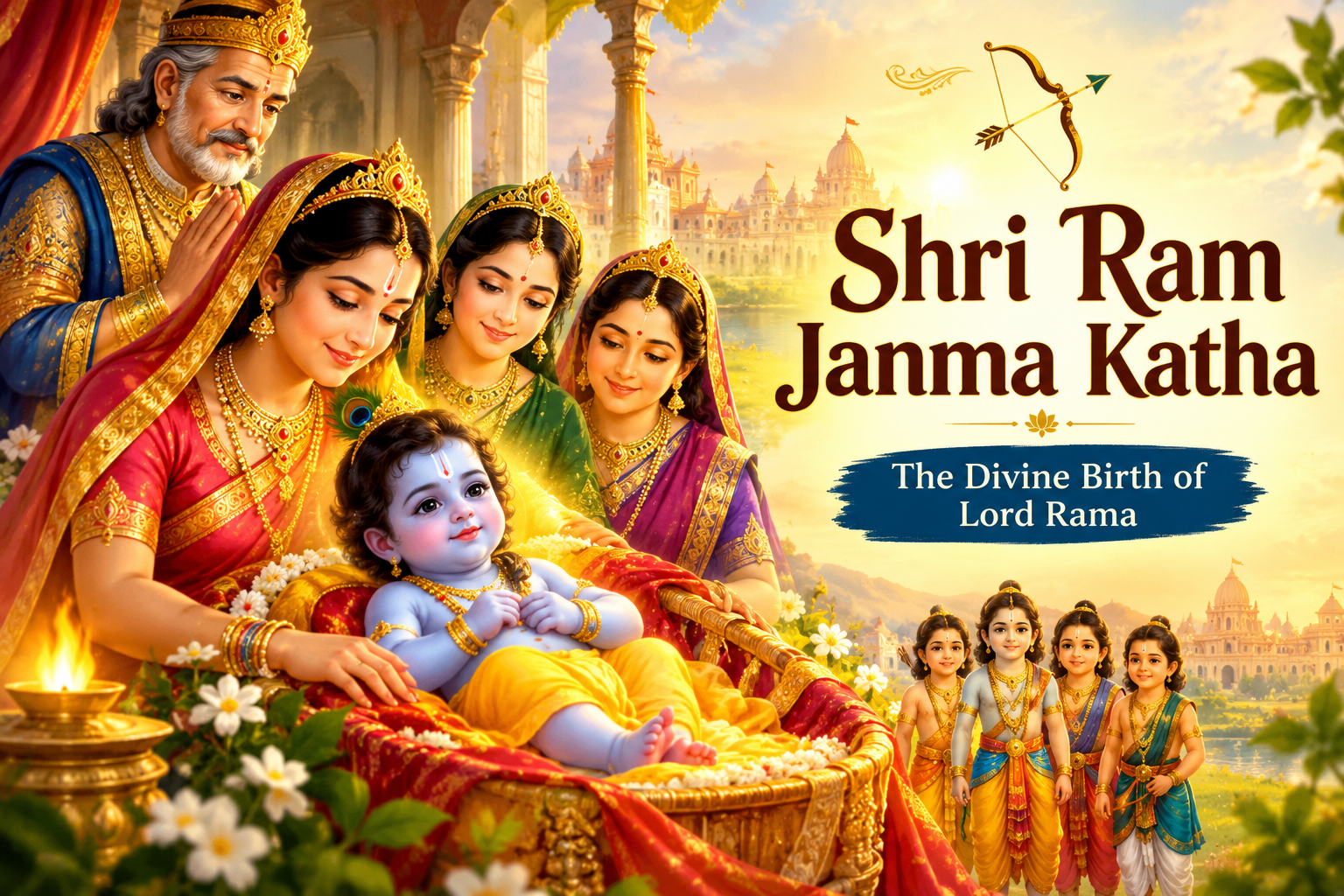
King Dasharatha of Ayodhya
Long ago, the beautiful kingdom of Ayodhya was ruled by King Dasharatha of the Ikshvaku dynasty. He was a powerful and respected king who cared deeply for his people.
King Dasharatha had three queens:
- Queen Kaushalya
- Queen Kaikeyi
- Queen Sumitra
Although the kingdom was prosperous, the king had one great sorrow. He did not have a son who could continue the royal lineage.
As the king grew older, he became deeply concerned about the future of Ayodhya.
The Putrakameshti Yajna
Following the advice of his sages and priests, King Dasharatha decided to perform a sacred Putrakameshti Yajna, a Vedic ritual performed with the desire for children.
The great sage Rishi Rishyasringa performed the yajna according to the prescribed rituals.
At the conclusion of the yajna, a divine being appeared from the sacred fire carrying a golden vessel filled with divine payasam.
He instructed King Dasharatha to give the sacred food to his queens.
The king distributed it among Queen Kaushalya, Queen Kaikeyi, and Queen Sumitra with devotion and hope.
The Divine Birth of Four Princes
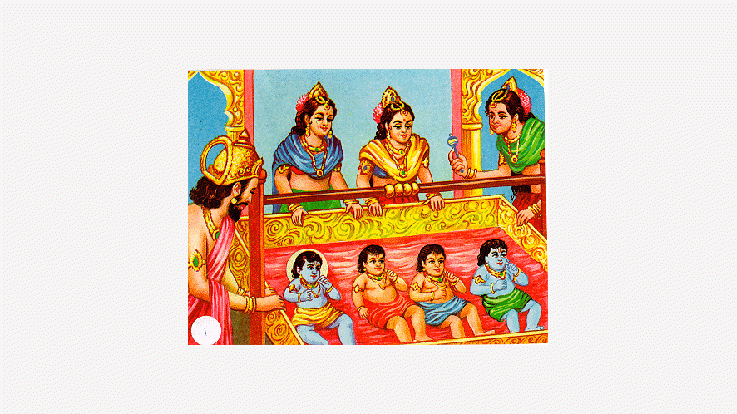
In due course, the three queens gave birth to four sons.
Queen Kaushalya gave birth to Lord Rama.
Queen Kaikeyi gave birth to Bharata.
Queen Sumitra gave birth to Lakshmana and Shatrughna.
The birth of the four princes brought immense happiness to Ayodhya. The kingdom celebrated with great joy, and people considered the birth of Rama especially auspicious.
Lord Rama was believed to be the divine incarnation of Lord Vishnu, born to restore Dharma and protect righteousness.
The Childhood of Lord Rama
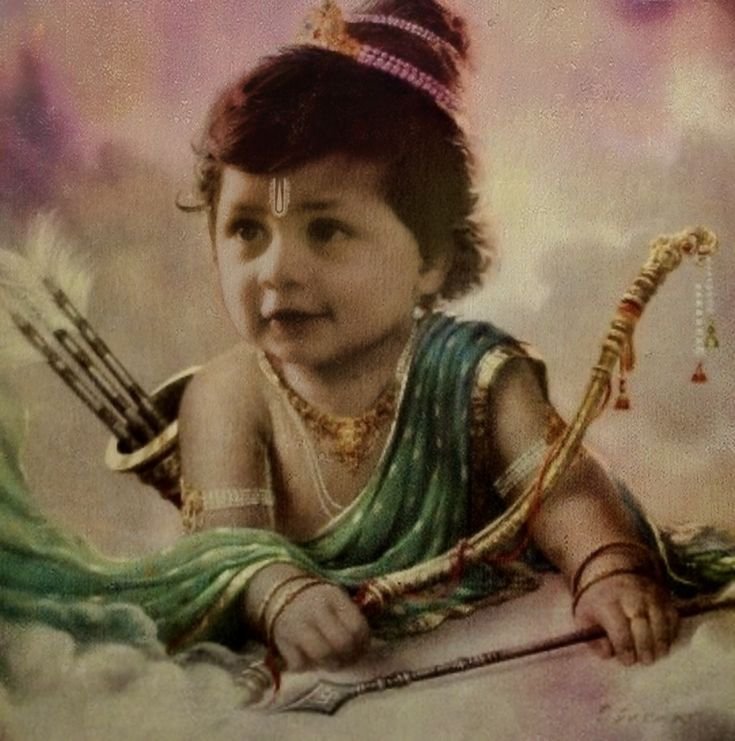
Rama grew up as an ideal prince. From childhood, he was known for his calm nature, compassion, truthfulness, courage, and respect for his parents and teachers.
His younger brother Lakshmana was especially devoted to him. Bharata and Shatrughna also shared a deep bond with their brothers.
The four princes received education in scriptures, warfare, statecraft, and other royal duties.
Rama's character gradually became an example of Maryada Purushottama—the ideal person who follows righteousness and moral duty.
Why Was Lord Rama Born?
According to the Ramayana tradition, Lord Rama's incarnation had a divine purpose.
The powerful king Ravana, ruler of Lanka, had become a great threat to Dharma. Because of a boon, Ravana believed himself protected from many powerful beings.
Lord Vishnu therefore took birth as Rama in human form.
Through his life, Rama demonstrated the importance of Dharma, truth, sacrifice, compassion, and responsibility.
His journey eventually led to the great battle in Lanka, where Rama defeated Ravana and restored righteousness.
The Significance of Rama Navami
The birth of Lord Rama is celebrated as Rama Navami, which falls on the ninth day of the bright half of the Hindu month of Chaitra.
Devotees observe the day through:
- Shri Ram puja
- Reading or listening to the Ramayana
- Chanting the name of Lord Rama
- Bhajans and devotional songs
- Fasting according to personal tradition
- Visiting temples
- Distributing prasad
For devotees, Rama Navami is a reminder that Dharma and truth should always be followed.
Teachings From the Birth of Lord Rama
The story of Shri Ram Janma gives several meaningful lessons.
1. Faith and Devotion
King Dasharatha performed the yajna with faith and devotion. His story reminds devotees to remain patient and sincere during difficult times.
2. Dharma Is Important
Lord Rama's entire life is associated with Dharma. His actions teach the importance of fulfilling one's responsibilities with honesty.
3. Respect for Parents and Elders
Rama showed extraordinary respect toward his parents and teachers. His conduct became an example of family values and discipline.
4. Goodness and Compassion
Rama was respected not only because he was a powerful prince but also because of his kindness and compassion toward others.
5. Truth Always Matters
The life of Lord Rama emphasizes the importance of truth, promises, and righteous conduct.
Conclusion
The Shri Ram Janma Katha is one of the most cherished stories in Sanatan Dharma. The birth of Lord Rama brought happiness to Ayodhya and marked the beginning of a divine journey that would inspire generations.
Lord Rama's life continues to remind us to follow truth, perform our duties sincerely, respect our parents and elders, and walk on the path of Dharma.
His sacred name continues to live in the hearts of millions of devotees:
“Shri Ram Jai Ram Jai Jai Ram.” 🙏
Frequently Asked Questions
Who was Lord Rama?
Lord Rama is revered in Sanatan Dharma as the seventh incarnation of Lord Vishnu and the central figure of the Ramayana.
Who were the parents of Lord Rama?
Lord Rama was born to King Dasharatha and Queen Kaushalya of Ayodhya.
Who were the brothers of Lord Rama?
Lord Rama's brothers were Bharata, Lakshmana, and Shatrughna.
Why is Rama Navami celebrated?
Rama Navami is celebrated to commemorate the birth of Lord Rama.
What is the main teaching of Lord Rama's life?
The life of Lord Rama emphasizes Dharma, truth, duty, devotion, compassion, and righteous conduct.
Hashtags
#ShriRam #LordRama #RamJanmaKatha #RamaNavami #Ramayana #SanatanDharma #HinduDharma #JaiShriRam #ShriRamJaiRam #Spirituality #HinduStories #SanatanStories
More in Sanatan Stories
The Mysterious Story of Lord Jagannath: Legends, Rituals and Temple Secrets
Goddess Mahalakshmi: The Divine Goddess of Wealth, Prosperity, and Happiness