Badrinath Temple: Complete History, Significance, Location and Travel Guide
Sep 22, 2026 · 7 min read · 227 views
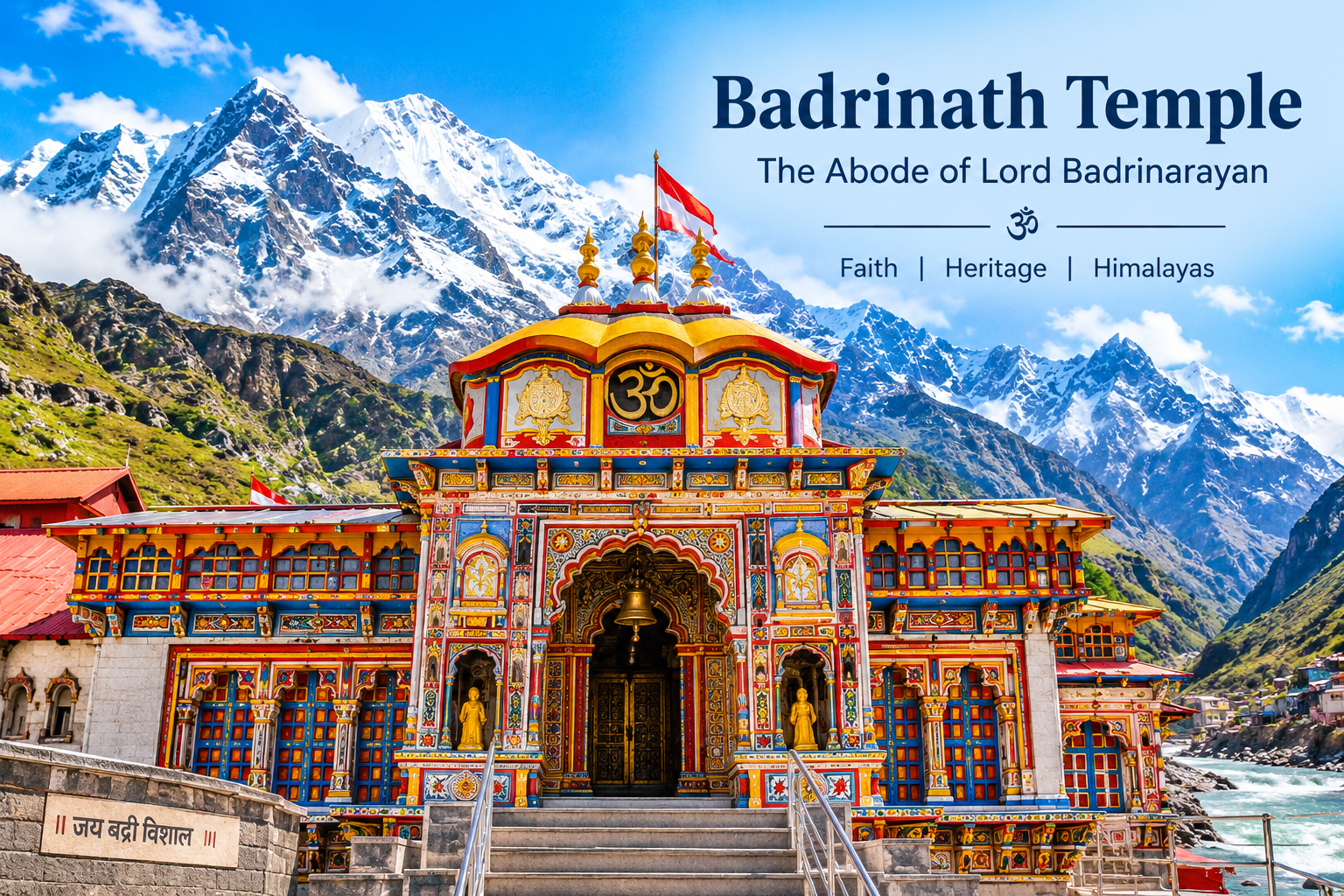
Badrinath Temple, also known as Badrinarayan Temple, is one of the most sacred Hindu temples in India. Dedicated to Lord Vishnu, this ancient temple is situated in the beautiful Himalayan region of Uttarakhand. It is one of the most important pilgrimage destinations for devotees of Lord Vishnu and is also one of the four sacred pilgrimage sites of the Char Dham Yatra in Uttarakhand.
Surrounded by the majestic Himalayas and located beside the Alaknanda River, Badrinath Temple attracts thousands of devotees every year. The spiritual atmosphere, ancient traditions, natural beauty, and religious importance make Badrinath a special destination for pilgrims and travellers.
Where Is Badrinath Temple Located?
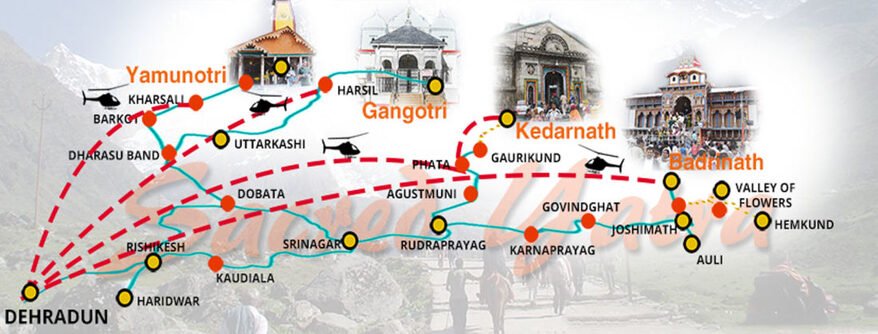
Badrinath Temple is located in Badrinath town in Chamoli district of Uttarakhand, India, at an altitude of approximately 3,100 metres above sea level.
The temple stands in the Garhwal Himalayas near the Alaknanda River. Because of its high-altitude location and severe winter conditions, the temple remains open to devotees only during a specific period of the year.
Why Is Badrinath Temple Important?
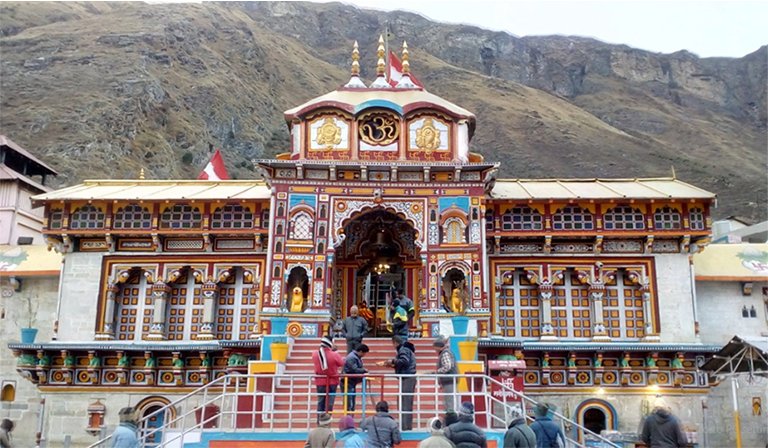
Badrinath is considered one of the most important sacred places dedicated to Lord Vishnu. The main deity worshipped here is Lord Badrinarayan, a form of Lord Vishnu.
Badrinath is also one of the four destinations of the Char Dham of Uttarakhand, along with Kedarnath, Gangotri and Yamunotri.
It is also traditionally associated with the larger Char Dham pilgrimage established in Hindu tradition, which includes Badrinath, Dwarka, Puri and Rameswaram.
History of Badrinath Temple
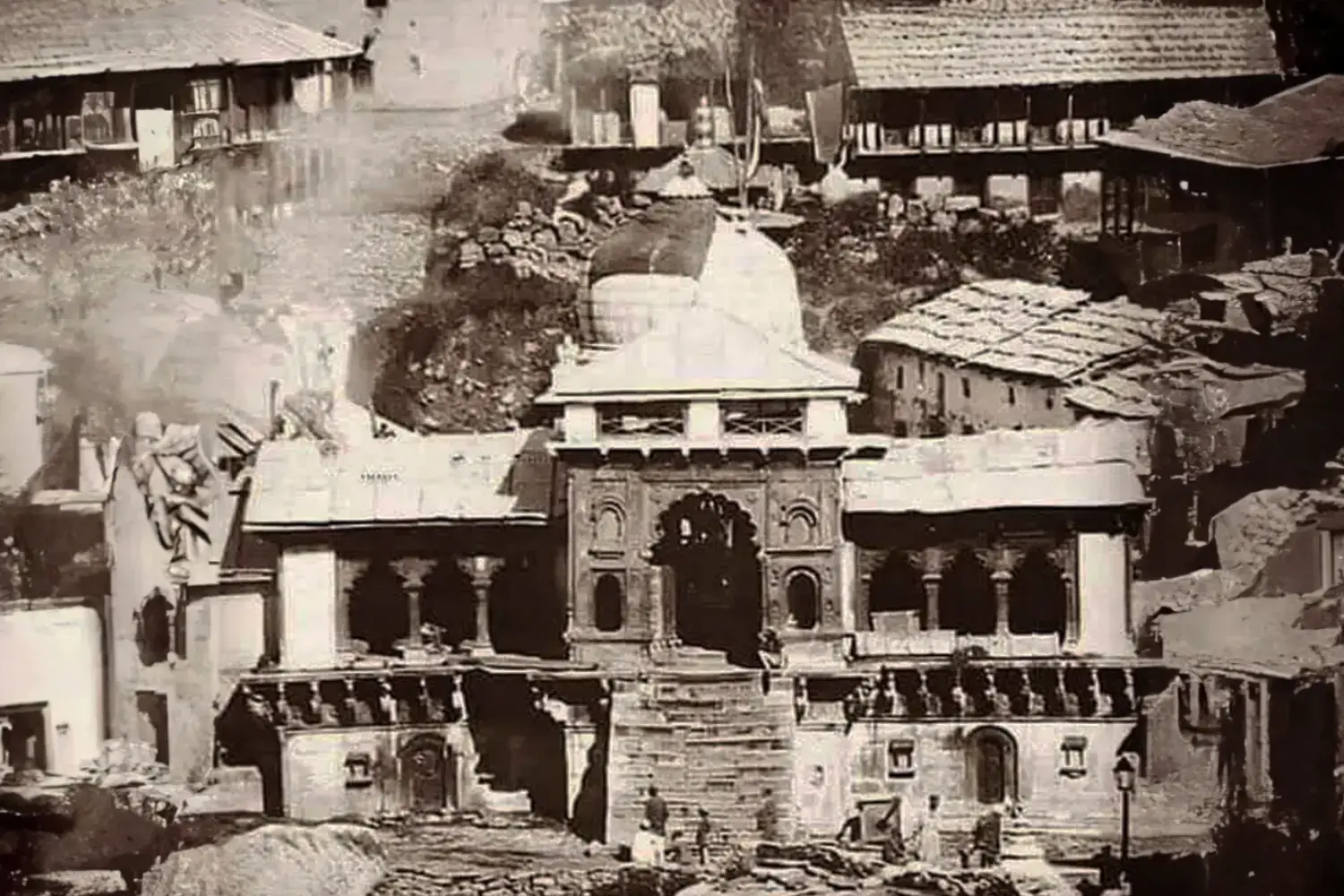
The history of Badrinath is connected with ancient Hindu traditions and legends. According to religious tradition, Lord Vishnu meditated at this sacred place.
The modern temple tradition is strongly associated with Adi Shankaracharya, the renowned Hindu philosopher and spiritual teacher. According to tradition, Shankaracharya established or revived worship at Badrinath and helped restore the importance of the shrine as a major pilgrimage centre.
Over the centuries, the temple has undergone renovations and reconstruction because of natural conditions and the passage of time.
The temple that devotees see today reflects centuries of religious traditions and architectural developments.
Religious Legend of Badrinath

According to Hindu tradition, Lord Vishnu performed deep meditation at Badrinath. One popular legend says that Goddess Lakshmi took the form of a Badri tree to protect Lord Vishnu from the harsh Himalayan weather while he meditated.
Because of this association with the Badri tree, Lord Vishnu came to be worshipped here as Badrinarayan.
Another important tradition connects the region with the Nara and Narayana sages, who are believed to have performed intense spiritual practices in the Himalayas.
These legends form an important part of the religious identity of Badrinath.
Architecture of Badrinath Temple
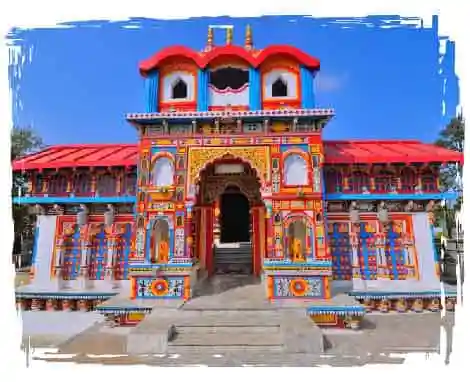
Badrinath Temple has a distinctive Himalayan temple architecture. The colourful exterior and traditional design make it visually different from many other ancient temples in India.
The temple complex mainly consists of areas such as:
- Garbhagriha – the sanctum where the main deity is worshipped.
- Darshan Mandap – an area associated with devotional activities and darshan.
- Sabha Mandap – a hall used for religious gatherings and rituals.
The temple contains several sacred images and is decorated according to traditional Hindu customs.
Main Deity of Badrinath Temple
The main deity is Lord Badrinarayan, a form of Lord Vishnu.
The sacred image of Lord Badrinarayan is traditionally described as being made of black stone. Devotees visit the temple to offer prayers and seek the blessings of Lord Vishnu.
The temple also has images and shrines associated with other Hindu deities and sacred traditions.
Badrinath Temple and Char Dham
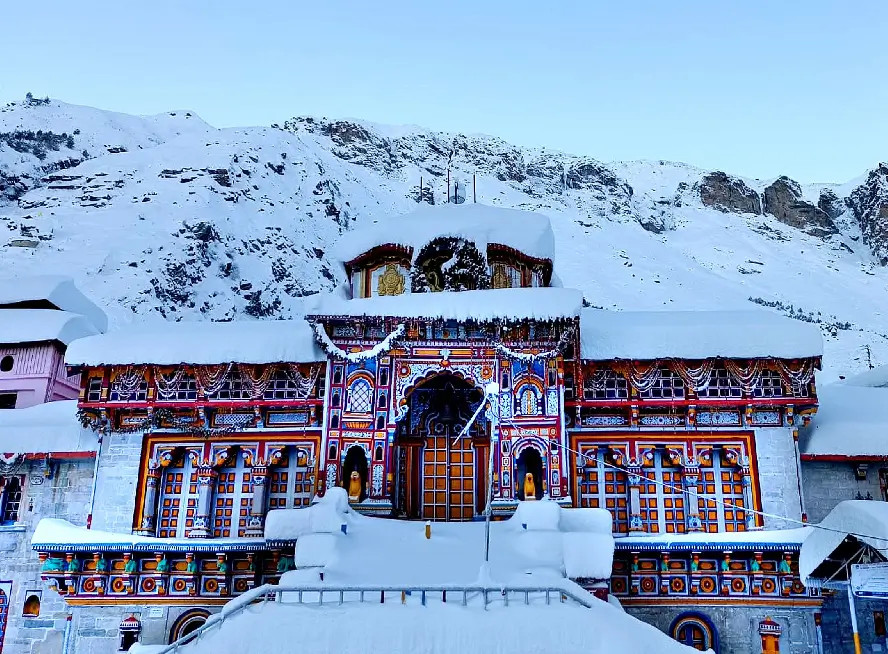
Badrinath is one of the four major pilgrimage destinations of Uttarakhand's Char Dham Yatra.
The four sites are:
1. Badrinath – dedicated to Lord Vishnu
2. Kedarnath – dedicated to Lord Shiva
3. Gangotri – associated with Goddess Ganga
4. Yamunotri – associated with Goddess Yamuna
Pilgrims traditionally visit these sacred places as part of a spiritual journey through the Himalayas.
Best Time to Visit Badrinath
Badrinath is a high-altitude pilgrimage destination and experiences heavy snowfall during winter.
The temple generally opens during the spring season and closes before winter. The exact opening and closing dates vary each year according to the traditional Hindu calendar and temple rituals.
Therefore, travellers should always check the official temple or Uttarakhand tourism information before planning their journey.
The summer and early autumn pilgrimage season is generally the main period for visiting Badrinath.
How to Reach Badrinath Temple
By Road
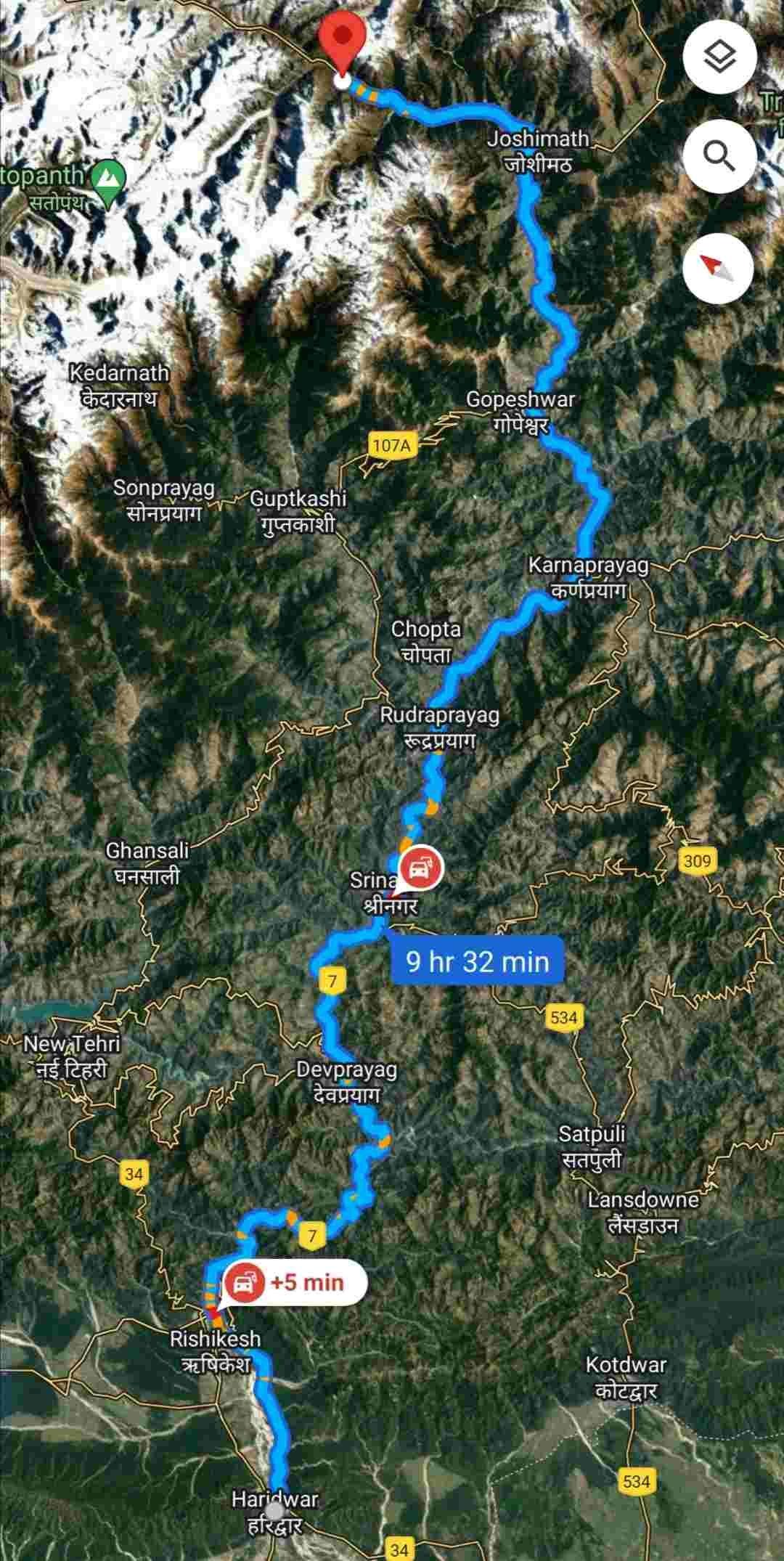
Badrinath is connected by road with several important towns and pilgrimage centres in Uttarakhand. Pilgrims commonly travel through places such as Rishikesh, Devprayag, Rudraprayag, Joshimath and Govindghat.
By Air
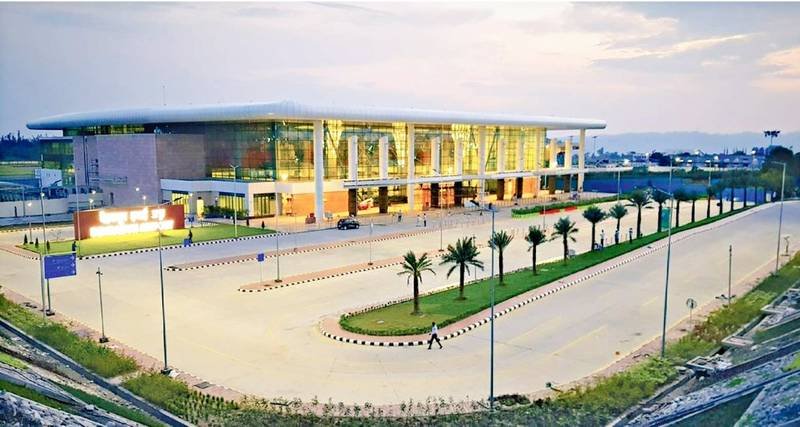
The nearest major airport is Jolly Grant Airport near Dehradun. From the airport, travellers need to continue their journey by road.
Helicopter services may also be available during the pilgrimage season, depending on weather and government or operator regulations.
By Train
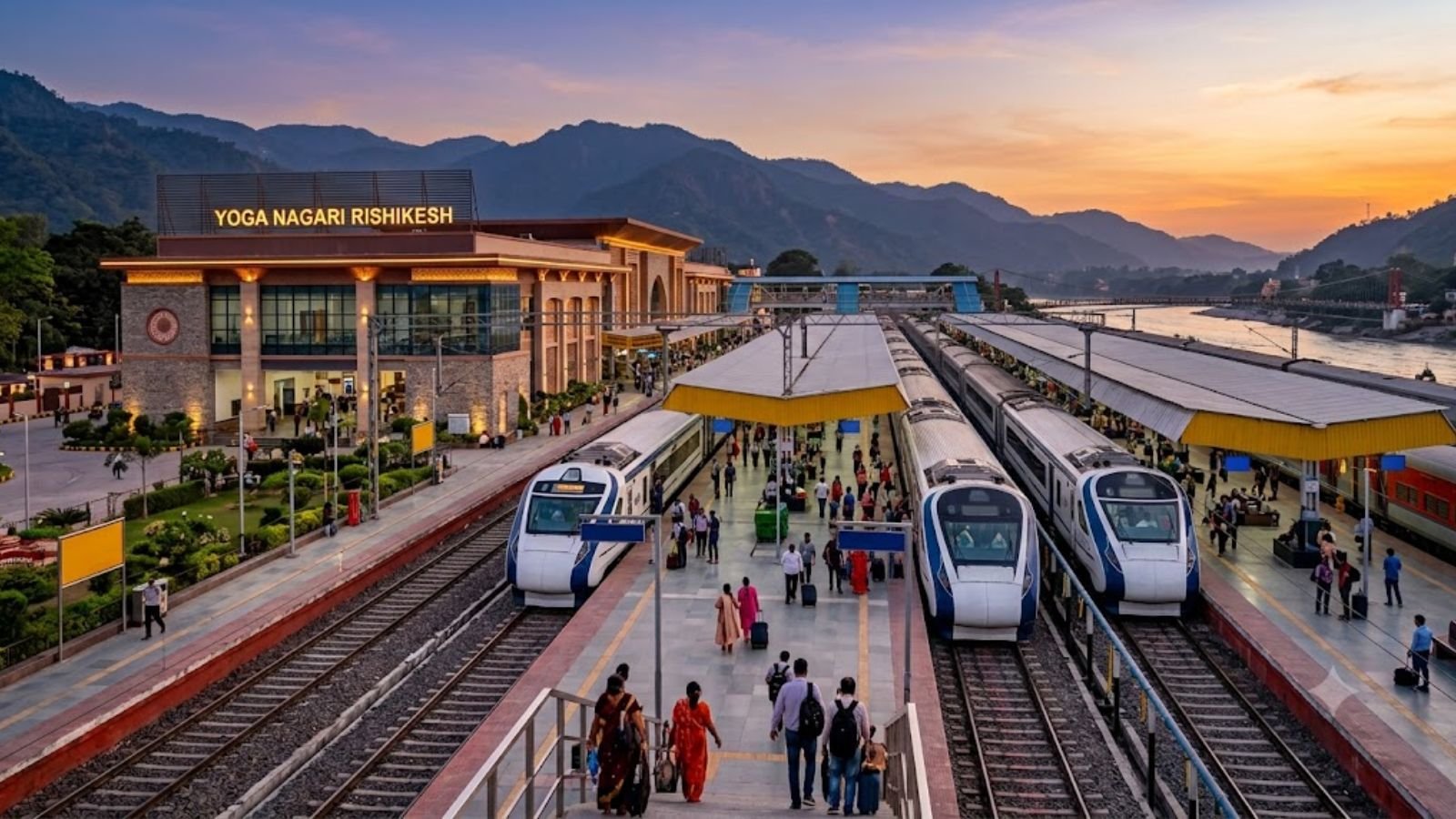
The nearest major railway stations are generally Rishikesh and Haridwar. From there, travellers can continue towards Badrinath by road.
Because Himalayan roads can be affected by weather, travellers should check current road and weather conditions before beginning the journey.
Places to Visit Near Badrinath
There are several spiritually and naturally significant places around Badrinath.
Mana Village
Mana is a famous Himalayan village located near the India-Tibet border region. It is popularly associated with several stories from Hindu mythology and the Mahabharata.
Tapt Kund
Tapt Kund is a natural hot-water spring located near Badrinath Temple. Traditionally, pilgrims visit the kund as part of their pilgrimage rituals.
Neelkanth Peak
Neelkanth is a magnificent Himalayan peak visible from the Badrinath region. Its snow-covered appearance adds to the natural beauty of the pilgrimage town.
Vasudhara Falls
Vasudhara Falls is a beautiful natural attraction near Mana. The journey to the waterfall involves trekking and can be physically demanding.
Spiritual Significance of Badrinath
Badrinath is more than a tourist destination. For millions of devotees, it is a place of faith, prayer and spiritual reflection.
The peaceful Himalayan surroundings, temple rituals and ancient traditions create a unique pilgrimage experience.
Many devotees believe that visiting Badrinath and offering prayers to Lord Vishnu brings spiritual peace and divine blessings.
Important Things to Know Before Visiting
Before travelling to Badrinath, pilgrims should keep the following points in mind:
- Check the temple opening and closing dates.
- Check the weather and road conditions.
- Carry warm clothes because temperatures can be low.
- Keep necessary medicines and personal essentials.
- Follow temple rules and local instructions.
- Avoid littering in the Himalayan environment.
- Respect local customs and religious traditions.
- Plan accommodation and transportation in advance during the peak pilgrimage season.
Conclusion
Badrinath Temple is one of India's most revered Hindu pilgrimage sites. Dedicated to Lord Vishnu, this sacred Himalayan temple combines ancient religious traditions, mythology, spirituality and breathtaking natural surroundings.
Whether you visit Badrinath as a pilgrim or as a traveller interested in India's spiritual heritage, the experience can offer a memorable connection with the culture and traditions of the Himalayas.
Badrinath is not merely a temple; it is a symbol of faith, devotion and India's ancient spiritual heritage.
Frequently Asked Questions (FAQ)
1. Which God is worshipped at Badrinath Temple?
Lord Vishnu is worshipped at Badrinath Temple in the form of Lord Badrinarayan.
2. Where is Badrinath Temple located?
Badrinath Temple is located in Chamoli district of Uttarakhand, India, in the Himalayan region.
3. Is Badrinath one of the Char Dham?
Yes. Badrinath is one of the four sacred destinations of the Char Dham of Uttarakhand.
4. Why does Badrinath Temple close during winter?
The temple region experiences severe winter conditions and heavy snowfall. Therefore, the temple follows a seasonal opening and closing tradition.
5. What is Badrinath famous for?
Badrinath is famous for its ancient temple dedicated to Lord Vishnu, Himalayan scenery, religious traditions and its importance in the Char Dham pilgrimage.
6. What are the important places near Badrinath?
Important nearby attractions include Mana Village, Tapt Kund, Neelkanth Peak and Vasudhara Falls.
#BadrinathTemple #Badrinath #CharDham #LordVishnu #Badrinarayan #Uttarakhand #HinduTemples #SanatanDharma #HinduPilgrimage #TempleIndia