Bhimashankar Jyotirlinga, Maharashtra: History, Significance, Temple Timings and Travel Guide
Oct 15, 2026 · 6 min read · 86 views
Introduction
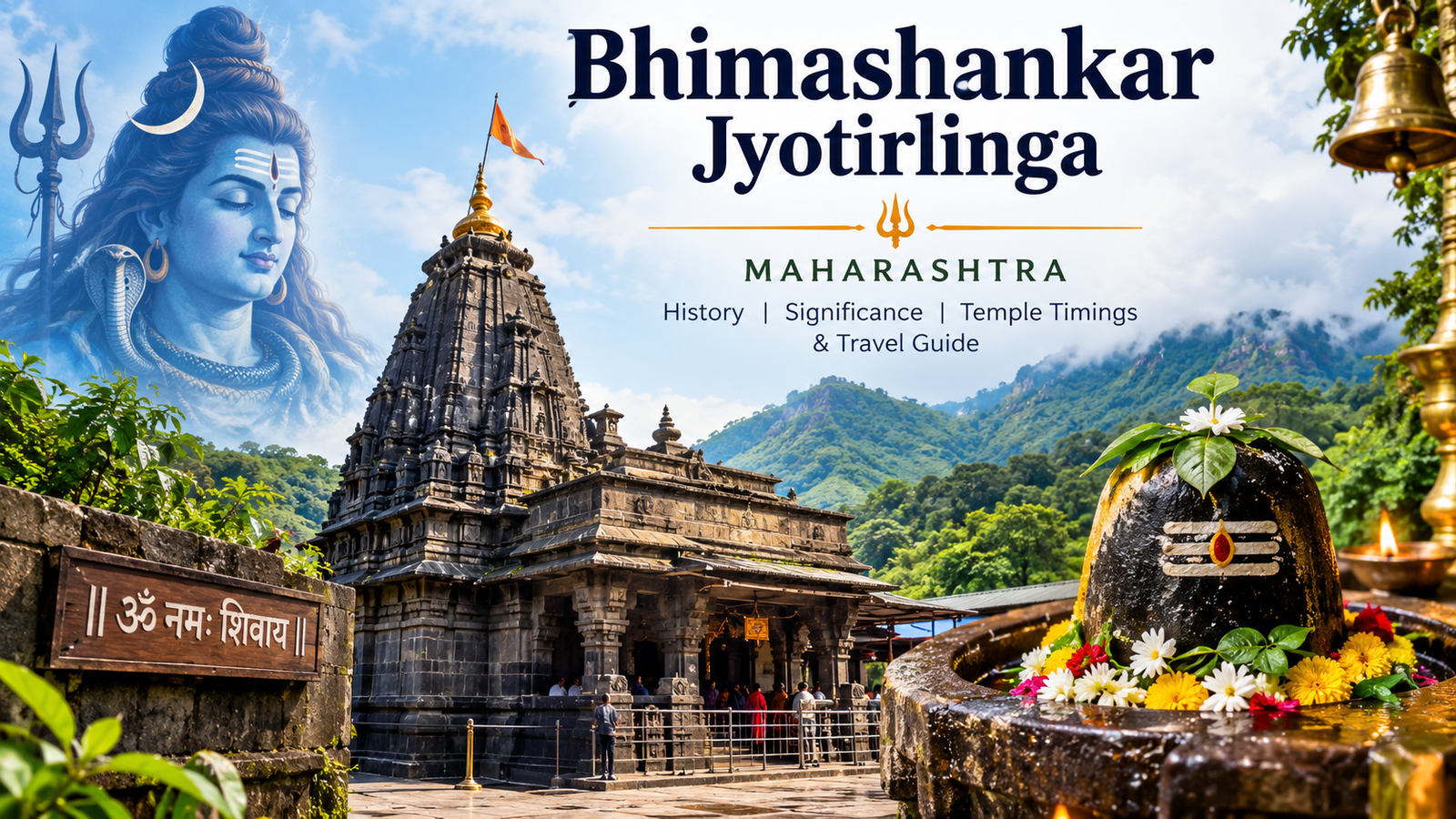
Bhimashankar Jyotirlinga is one of the twelve sacred Jyotirlingas of Lord Shiva in India. Located in the Sahyadri hills of Maharashtra, this ancient temple is an important pilgrimage destination for devotees of Lord Shiva. Surrounded by lush green forests, beautiful mountains, and peaceful natural scenery, Bhimashankar is a wonderful place for both spiritual seekers and nature lovers.
The temple holds great religious importance in Hinduism. Devotees visit this holy place to seek the blessings of Lord Shiva, offer prayers, and experience the peaceful atmosphere of the sacred shrine.
Where Is Bhimashankar Jyotirlinga Located?
Bhimashankar Jyotirlinga is situated in the Pune district of Maharashtra, India, in the Sahyadri mountain range of the Western Ghats.
The temple is surrounded by dense forests and rich biodiversity. The nearby Bhimashankar Wildlife Sanctuary is known for its natural beauty and is home to several species of wildlife, including the Indian giant squirrel, also known as the Malabar giant squirrel.
The peaceful environment makes Bhimashankar an ideal destination for religious tourism, nature exploration, and spiritual reflection.
History and Mythological Significance of Bhimashankar
According to Hindu mythology, Bhimashankar is associated with Lord Shiva's victory over the demon Bhimasura.
Legend says that Bhimasura was a powerful demon who troubled devotees and created suffering. When he threatened a devotee of Lord Shiva, the divine Lord appeared to protect his follower. A fierce battle took place, and Lord Shiva defeated the demon.
It is believed that Lord Shiva manifested at this sacred place in the form of a Jyotirlinga. The temple is therefore regarded as a symbol of divine protection, righteousness, and the victory of good over evil.
Different religious traditions recount variations of this legend, reflecting the rich spiritual heritage associated with the temple.
Religious Importance of Bhimashankar Jyotirlinga
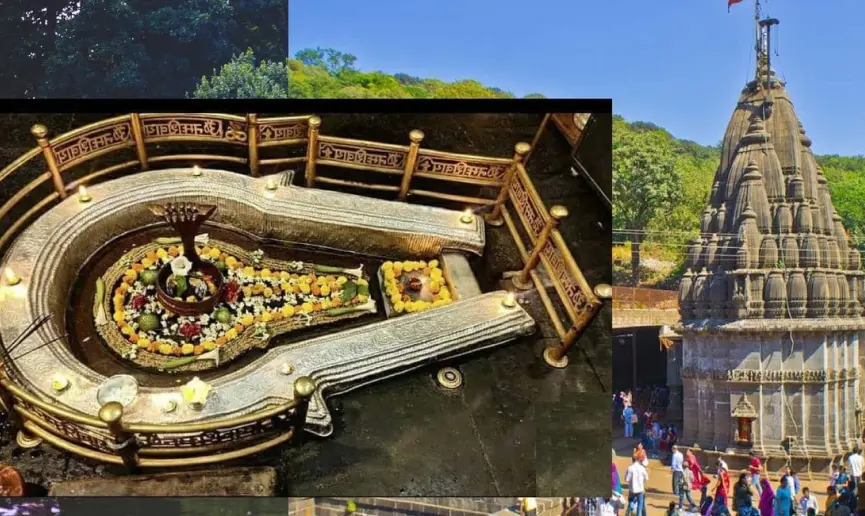
Bhimashankar is one of the twelve Jyotirlingas dedicated to Lord Shiva. The word Jyotirlinga combines “Jyoti,” meaning divine light, and “Linga,” the sacred symbol of Lord Shiva.
According to Hindu belief, Jyotirlingas represent the infinite and eternal nature of Lord Shiva.
Devotees visit Bhimashankar to:
- Worship Lord Shiva and seek his blessings.
- Offer prayers for peace, prosperity, and spiritual growth.
- Perform traditional rituals and Abhishekam, subject to temple rules.
- Celebrate Maha Shivaratri with devotion.
- Experience the spiritual atmosphere of the Sahyadri mountains.
For many devotees, visiting Bhimashankar is a deeply meaningful spiritual experience.
Architecture of Bhimashankar Temple
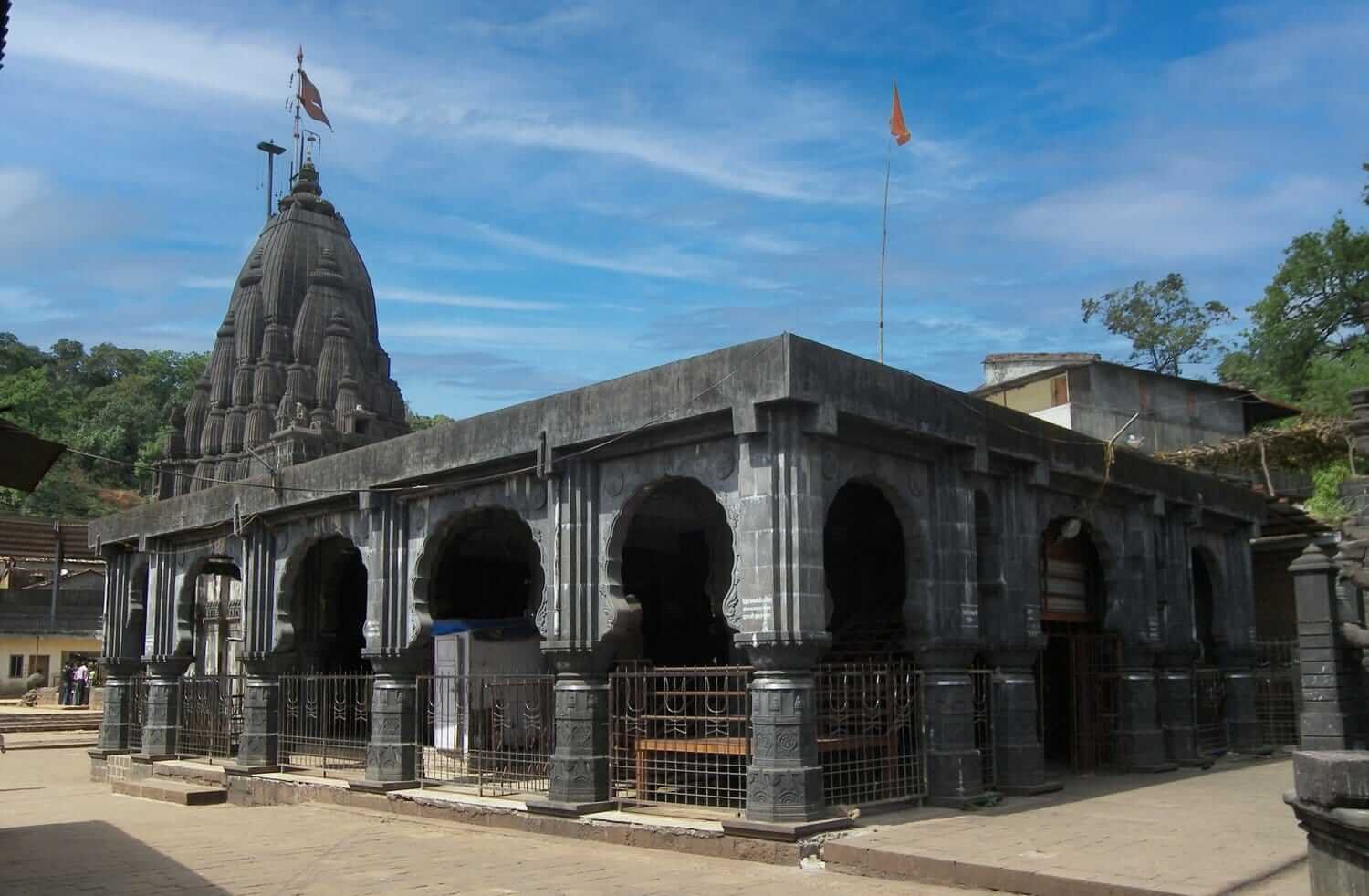
Bhimashankar Temple is known for its traditional stone architecture and historical character. The temple displays features associated with the Nagara style of Hindu temple architecture, along with influences from later periods of regional temple construction.
Its stone structure, carved details, and sacred inner shrine reflect the artistic traditions of Maharashtra.
The main sanctum houses the Jyotirlinga of Lord Shiva. Devotees gather here to offer prayers and participate in religious ceremonies.
The temple's surroundings add to its beauty, combining spiritual heritage with the natural landscape of the Western Ghats.
Bhimashankar Jyotirlinga Temple Timings
Temple opening hours, Darshan arrangements, and ritual schedules may vary according to the day, season, and religious festivals.
Visitors should confirm the latest timings with the temple authorities before travelling.
During major festivals such as Maha Shivaratri and the holy month of Shravan, the temple may experience heavy crowds. Arriving early and allowing extra time for Darshan can make the visit more comfortable.
Festivals Celebrated at Bhimashankar
1. Maha Shivaratri
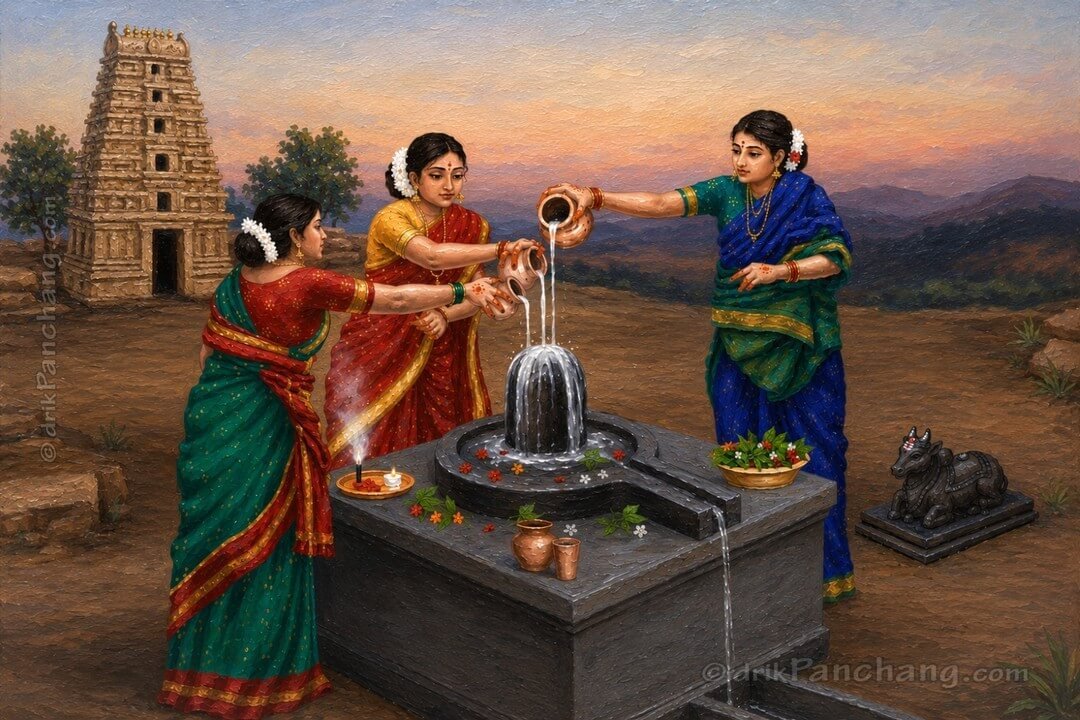
Maha Shivaratri is one of the most important festivals dedicated to Lord Shiva. Devotees visit Bhimashankar to offer prayers, perform worship, and participate in devotional activities.
2. Shravan Month
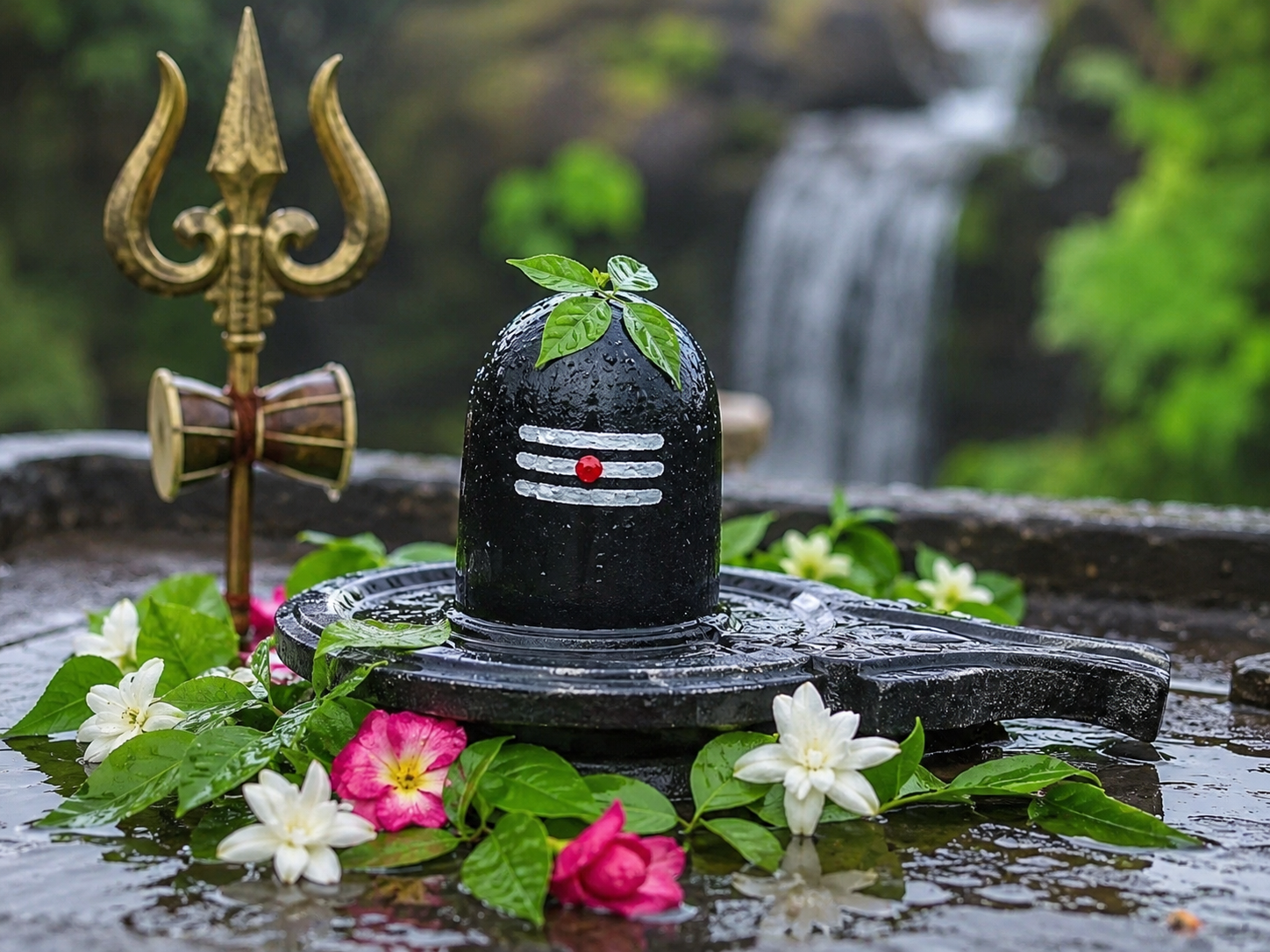
The month of Shravan is especially sacred to Lord Shiva. Many devotees visit Shiva temples during this period and observe fasting, prayer, and other religious practices.
3. Monthly Shivaratri

Masik Shivaratri is observed every lunar month by devotees of Lord Shiva. Special worship and prayers may take place at the temple according to its schedule.
These festivals create a deeply devotional atmosphere and attract pilgrims from Maharashtra and other parts of India.
How to Reach Bhimashankar Jyotirlinga
Bhimashankar can be reached by road from Pune, Mumbai, and nearby towns.
By Road: Regular road journeys and private vehicles are common ways to reach the temple. The route includes hilly sections, so careful driving is important, particularly during the monsoon.
By Train: Pune is a major railway connection for travellers coming from many parts of India. From Pune, visitors can continue by road to Bhimashankar.
By Air: Pune Airport is a practical option for air travellers. From the airport, the remaining journey is by road.
Travel time depends on the starting point, traffic, weather, and road conditions. Visitors should check current transport services and road conditions before departure.
Best Time to Visit Bhimashankar

The best time to visit depends on the experience you prefer.
October to February: The weather is generally more comfortable for temple visits and exploring the surrounding area.
March to May: Temperatures can be warmer, so visitors should carry drinking water and plan their journey accordingly.
June to September: The monsoon transforms the Sahyadri hills into a lush green landscape. However, heavy rainfall, slippery paths, fog, and difficult road conditions can affect travel. Extra caution is necessary.
Maha Shivaratri and Shravan are spiritually significant periods, but they can also be very crowded.
Bhimashankar Wildlife Sanctuary
Bhimashankar is not only a religious destination but also an important natural area. The surrounding wildlife sanctuary protects forests and diverse plant and animal life in the Western Ghats.
Nature lovers may enjoy the greenery, mountain scenery, and opportunities to appreciate local biodiversity. Visitors should respect wildlife, avoid littering, and follow sanctuary regulations.
The temple and sanctuary together make Bhimashankar a unique destination where spirituality and nature come together.
Travel Tips for Visitors
- Wear comfortable clothing and footwear suitable for walking.
- Carry drinking water and basic travel essentials.
- Check the weather forecast before travelling, especially during the monsoon.
- Confirm temple timings and Darshan arrangements before departure.
- Follow temple rules and maintain silence and cleanliness in sacred areas.
- Avoid littering and disturbing wildlife.
- Plan extra time during festivals and weekends.
Why Is Bhimashankar Jyotirlinga Special?
Bhimashankar Jyotirlinga is special because of its religious importance, mythological heritage, traditional temple architecture, and beautiful natural surroundings.
For devotees, it represents faith in Lord Shiva and the power of divine protection. For travellers, it offers an opportunity to discover Maharashtra's spiritual traditions and the natural beauty of the Sahyadri mountains.
A visit to Bhimashankar can be a memorable experience filled with devotion, peace, and appreciation for India's rich cultural heritage.
Conclusion
Bhimashankar Jyotirlinga is one of the most revered Shiva temples in Maharashtra and an important destination in India's sacred Jyotirlinga tradition. Its association with Lord Shiva, ancient legends, and peaceful mountain setting make it a meaningful place for pilgrims and visitors.
Whether you visit to seek divine blessings, learn about Hindu mythology, or appreciate the beauty of the Western Ghats, Bhimashankar offers a special connection with spirituality and nature.
May Lord Shiva bless everyone with peace, wisdom, happiness, and prosperity.
Har Har Mahadev! 🙏