DayMonday: Lord Shiva, White Colour and Its Spiritual Significance
Oct 12, 2026 · 6 min read · 113 views
Introduction
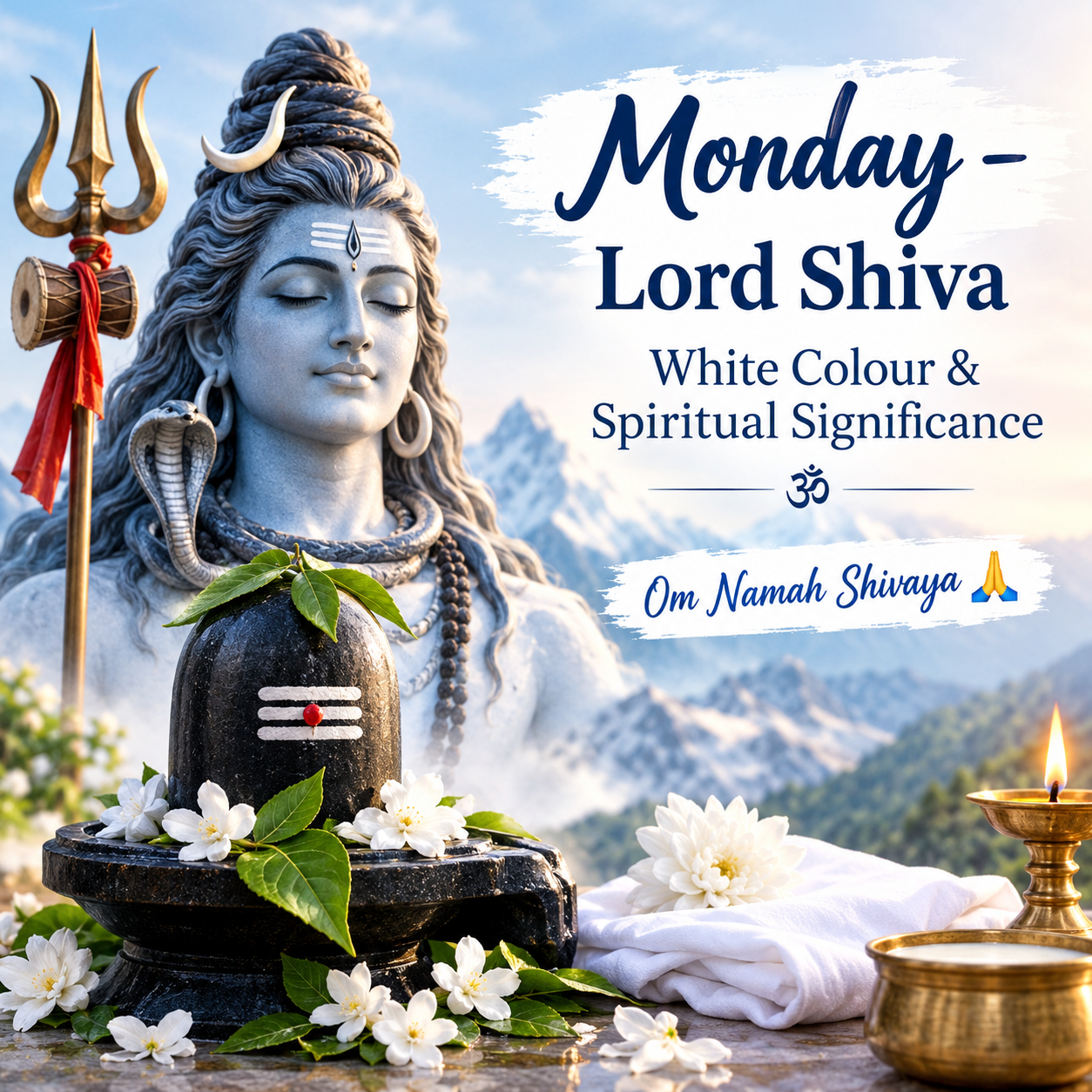
Monday holds a special place in Hindu tradition and spirituality. It is traditionally associated with Lord Shiva, one of the principal deities in Hinduism. Many devotees worship Lord Shiva on Monday to seek peace, happiness, spiritual growth, and blessings for their families.
The colour white is often associated with Monday because it represents peace, purity, simplicity, and calmness. Together, Lord Shiva and the colour white remind devotees to live with a peaceful mind, pure intentions, and devotion to God.
In this article, we will explore the spiritual significance of Monday, the importance of Lord Shiva worship, and the meaning of the white colour in Hindu tradition.
1. Monday and Lord Shiva
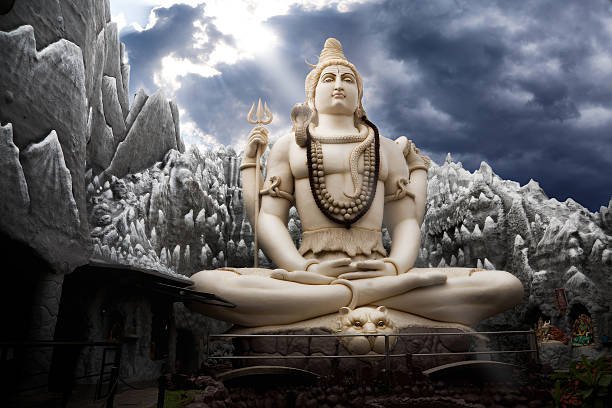
In Hindu tradition, Monday is known as Somvar and is considered an auspicious day for worshipping Lord Shiva. Many devotees visit Shiva temples, offer prayers, chant mantras, and observe a fast on this day.
Lord Shiva is known as Mahadev, Bholenath, Shankar, and Neelkanth. He symbolizes transformation, inner strength, meditation, and detachment from unnecessary desires.
Devotees believe that sincere prayers to Lord Shiva can help them develop patience, courage, devotion, and a peaceful outlook on life.
How to Worship Lord Shiva on Monday
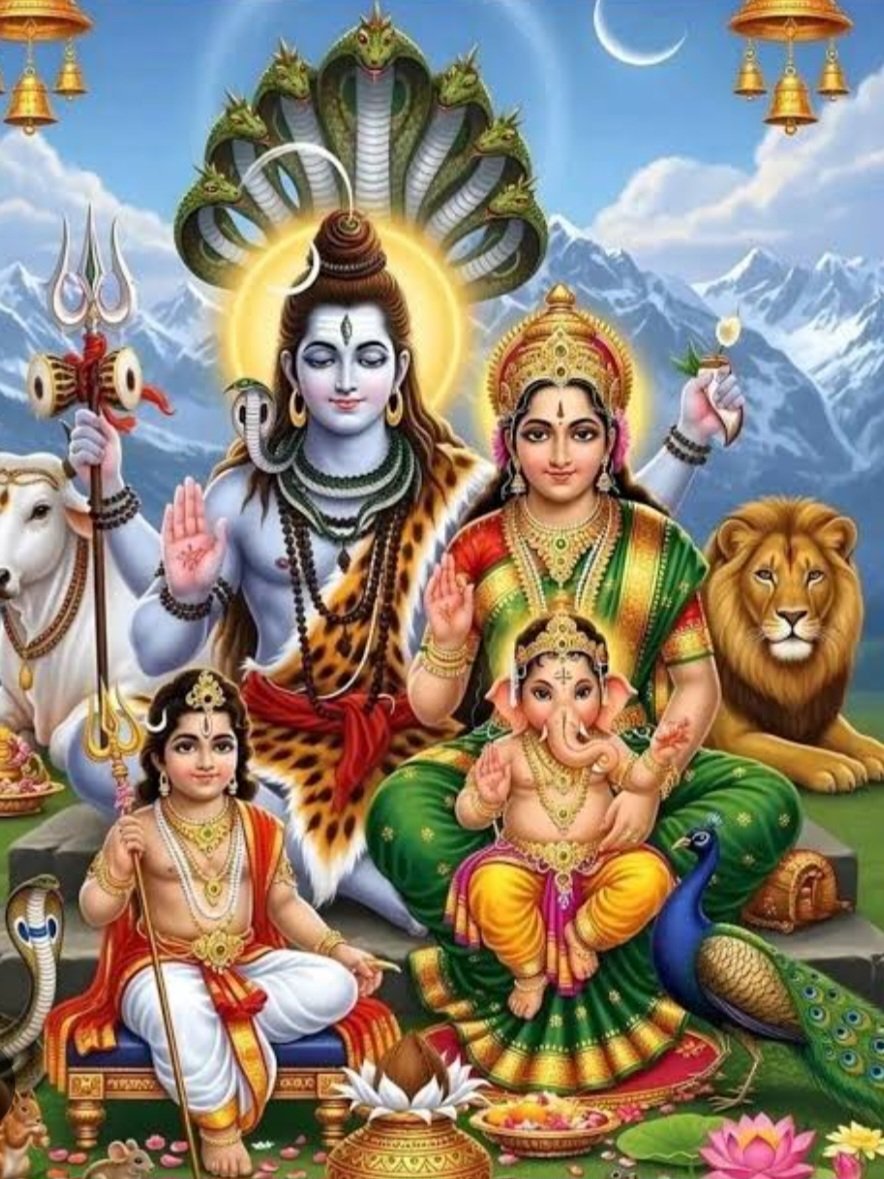
Devotees may follow these simple spiritual practices:
- Wake up early and take a bath.
- Clean the place of worship and light a diya.
- Offer water to the Shiva Lingam according to temple traditions.
- Offer white flowers, bilva leaves, and other suitable offerings.
- Chant the mantra “Om Namah Shivaya.”
- Read or listen to stories about Lord Shiva.
- Practise kindness, honesty, and self-control throughout the day.
These practices are optional expressions of devotion. Sincere prayer and good deeds are also meaningful ways to observe Monday.
2. The Spiritual Meaning of the White Colour
White is widely regarded as a symbol of peace, purity, simplicity, and spiritual clarity in Hindu traditions.
The colour white reminds us to keep our thoughts clean, our intentions honest, and our hearts free from unnecessary negativity.
Why Is White Considered Auspicious?
Peace: White represents calmness and encourages a peaceful state of mind.
Purity: It symbolizes cleanliness, sincerity, and pure intentions.
Simplicity: White reminds us that a simple life filled with gratitude can bring contentment.
Spiritual Awareness: It can represent clarity, wisdom, and the desire to understand ourselves more deeply.
Some devotees choose to wear white clothes on Monday as a personal expression of peace and devotion. However, wearing white is not compulsory for Shiva worship.
3. The Connection Between Monday and Spirituality
Monday is often seen as an opportunity to begin the week with devotion and positive thoughts. Worshipping Lord Shiva can become a reminder to approach life's challenges with patience and courage.
Lord Shiva's meditative form teaches the importance of silence, self-awareness, and controlling unnecessary thoughts. His symbolism encourages devotees to focus on what truly matters instead of becoming overwhelmed by anger, jealousy, or material desires.
By beginning Monday with prayer or meditation, a person can create a meaningful routine that supports inner peace and discipline.
4. Monday Fasting and Its Significance
Many Hindus observe a Somvar Vrat, or Monday fast, as an expression of devotion to Lord Shiva. Some observe it for spiritual discipline, while others pray for family well-being, happiness, or a suitable life partner.
Fasting practices differ from person to person and according to family and regional traditions. Some devotees eat fruits and milk, while others follow different dietary customs.
Fasting is a personal religious practice, not a requirement for receiving divine blessings. Anyone observing a fast should consider their health and needs.
5. Lord Shiva Mantra for Monday
One of the most widely recited mantras dedicated to Lord Shiva is:
ॐ नमः शिवाय
Om Namah Shivaya
Meaning: “I bow to Lord Shiva.”
Devotees chant this mantra during prayer, meditation, or throughout the day. Repeating it with concentration can provide a peaceful moment for reflection and help establish a regular spiritual practice.
There is no single compulsory number of repetitions. Devotees may chant according to their personal faith and comfort.
6. What Can We Learn from Lord Shiva?
Lord Shiva's spiritual symbolism offers several lessons for daily life:
- Stay calm: Try to respond thoughtfully rather than react in anger.
- Practise humility: Respect others and avoid unnecessary pride.
- Accept change: Understand that change is a natural part of life.
- Control negative thoughts: Develop awareness of your emotions.
- Value simplicity: Focus on meaningful relationships and inner happiness.
- Help others: Treat people with kindness and compassion.
These teachings can inspire us to live with greater understanding, balance, and responsibility.
7. How to Make Monday Spiritually Meaningful
You do not need elaborate rituals to make Monday meaningful. You can begin with a few simple habits:
1. Spend five minutes in prayer or meditation.
2. Chant “Om Namah Shivaya” with devotion.
3. Read a spiritual passage or reflect on a positive thought.
4. Avoid unnecessary arguments and practise patience.
5. Help someone in need whenever possible.
6. End the day with gratitude for the good things in your life.
Small, consistent practices can make spirituality a natural part of everyday living.
Frequently Asked Questions (FAQs)
1. Which Hindu god is worshipped on Monday?
Monday, or Somvar, is traditionally associated with the worship of Lord Shiva.
2. Which colour is associated with Monday?
White is commonly associated with Monday in popular religious colour traditions. It symbolizes peace, purity, and simplicity.
3. Which mantra can we chant on Monday?
Devotees commonly chant “Om Namah Shivaya” to express their devotion to Lord Shiva.
4. Is fasting compulsory on Monday?
No. Monday fasting is a voluntary religious practice. Devotion can also be expressed through prayer, meditation, and good deeds.
5. What should we offer Lord Shiva on Monday?
Depending on local and family traditions, devotees may offer water, bilva leaves, flowers, and other customary offerings.
Conclusion
Monday is a meaningful day for devotees of Lord Shiva. The association of Monday with Shiva worship and the colour white reminds us of peace, purity, devotion, and spiritual discipline.
By chanting “Om Namah Shivaya,” practising kindness, and keeping our thoughts positive, we can bring spiritual awareness into our everyday lives.
May Lord Shiva bless everyone with peace, strength, wisdom, and happiness.
Har Har Mahadev! Om Namah Shivaya! 🙏
More in Sanatan Dharma

Nashik-Trimbakeshwar Simhastha Kumbh Mela 2026-28: Dates, Amrit Snan and Complete Details
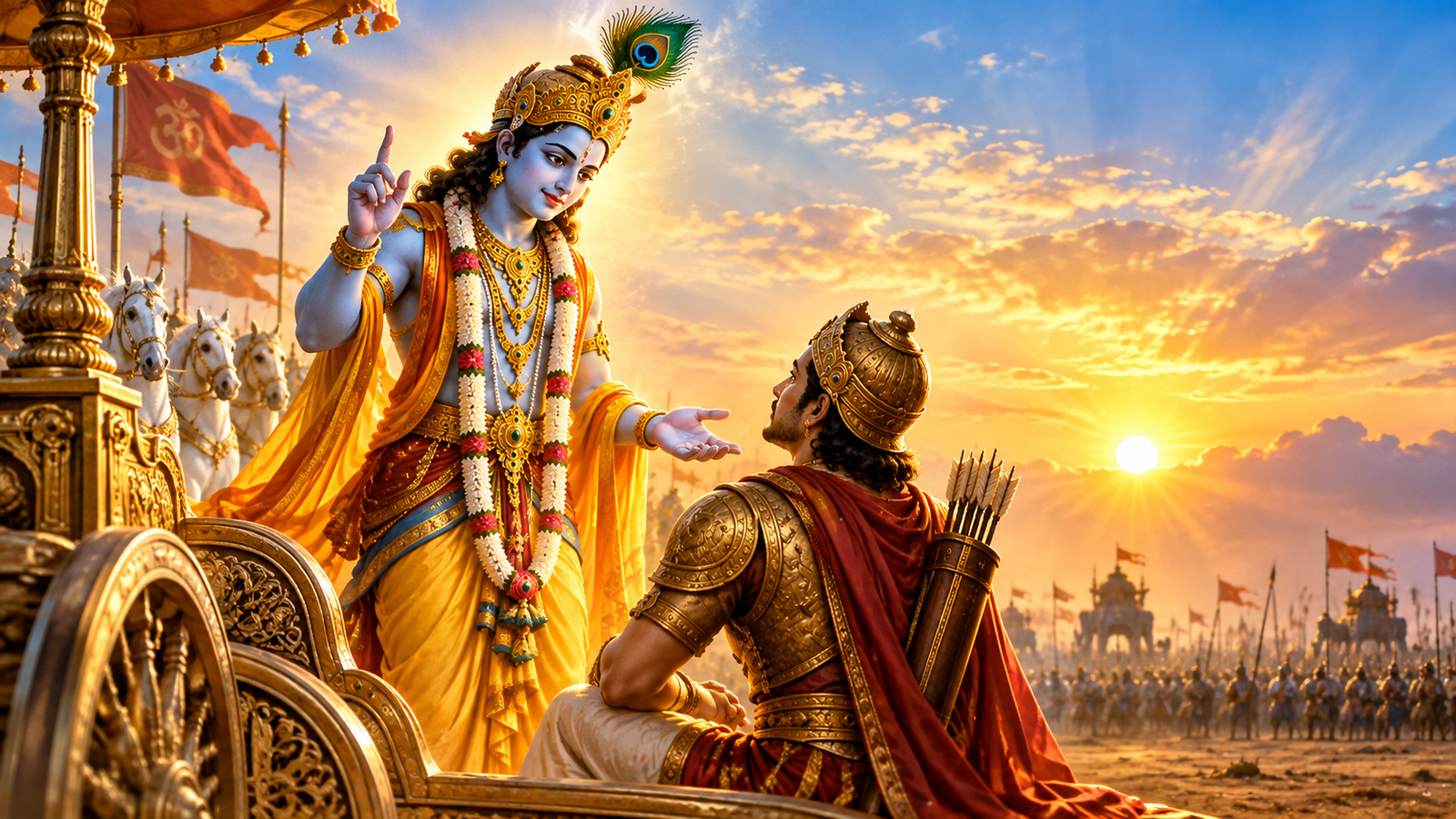
श्रीकृष्णाने सांगितलेले कर्माचे महत्त्व – जीवन जगण्याचा अनमोल संदेश
