Kedarnath Jyotirlinga – History, Significance, Temple Timings, and Travel Guide
Oct 13, 2026 · 7 min read · 123 views

Introduction
Kedarnath Jyotirlinga is one of the most sacred Hindu pilgrimage destinations in India. Dedicated to Lord Shiva, this ancient temple is situated in the majestic Garhwal Himalayas of Uttarakhand. Surrounded by snow-covered mountains and breathtaking natural beauty, Kedarnath Temple is a place of deep devotion, peace, and spiritual awakening.
As one of the twelve Jyotirlingas of Lord Shiva, Kedarnath holds a special place in Hindu religious tradition. Thousands of devotees visit this holy shrine every year to seek the blessings of Mahadev and experience the divine atmosphere of the Himalayas.
Where Is Kedarnath Jyotirlinga Located?
Kedarnath Temple is located in the Rudraprayag district of Uttarakhand, India, at an elevation of approximately 3,583 metres (11,755 feet) above sea level.
The temple stands near the Mandakini River and is surrounded by the magnificent Himalayan mountain range. Due to its high-altitude location and extreme winter weather, the temple remains open to pilgrims only during a limited period each year.
Kedarnath is also one of the four sacred pilgrimage sites of the Char Dham Yatra in Uttarakhand.
History of Kedarnath Temple
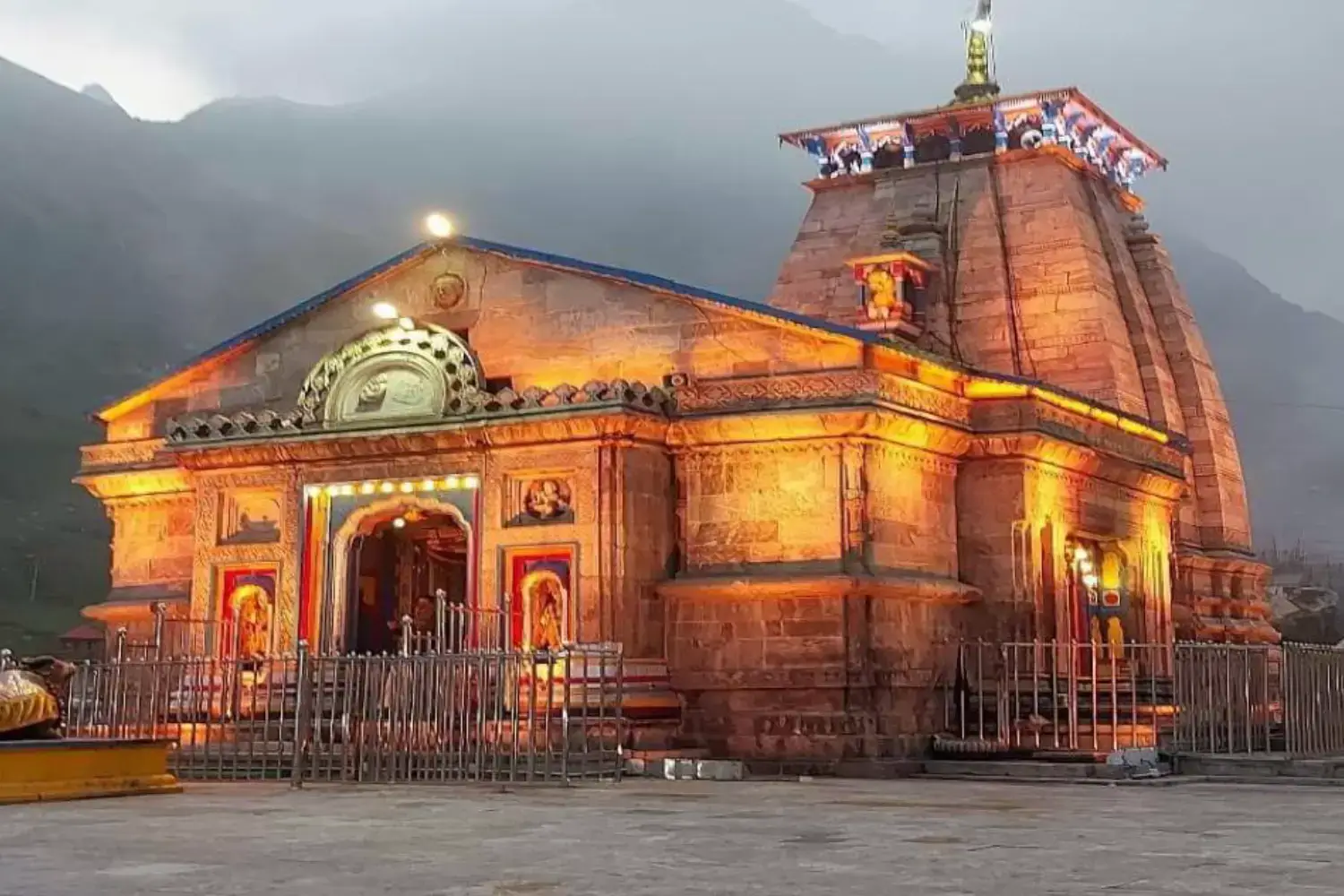
Kedarnath Temple has a long and sacred history associated with Lord Shiva and ancient Hindu traditions. According to popular religious belief, the Pandavas from the Mahabharata came to the Himalayas to seek forgiveness from Lord Shiva after the Kurukshetra war.
Traditional accounts associate the Pandavas with the origins of worship at Kedarnath. The present stone temple is also traditionally associated with Adi Shankaracharya, the great Hindu philosopher and spiritual teacher who helped revive Hindu pilgrimage traditions.
The temple's massive stone structure reflects the architectural traditions of the Himalayan region. Despite harsh weather conditions, it has remained an important centre of faith for generations of devotees.
The Legend of Kedarnath Jyotirlinga

According to Hindu mythology, after the Mahabharata war, the Pandavas wished to obtain forgiveness for the destruction and loss of life caused by the battle. They sought the blessings of Lord Shiva, who did not wish to meet them immediately.
Lord Shiva is believed to have taken the form of a bull and hidden among the animals in the Himalayan region. When the Pandavas recognised him, Shiva disappeared into the earth. According to the legend, different parts of his divine form appeared at different places.
The hump is believed to have appeared at Kedarnath, making it a particularly sacred place for devotees. This tradition is also connected with the Panch Kedar temples of Uttarakhand.
The legend symbolises repentance, devotion, surrender, and the power of divine grace.
Spiritual Significance of Kedarnath Jyotirlinga
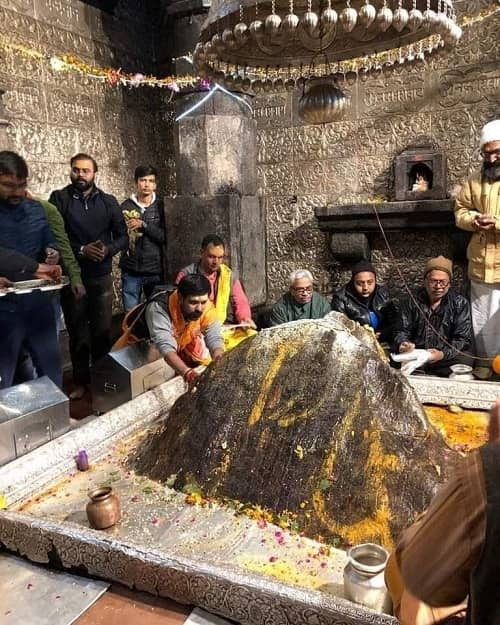
Kedarnath is one of the twelve Jyotirlingas, the sacred manifestations of Lord Shiva worshipped across India. The word Jyotirlinga is commonly understood as a divine pillar or manifestation of light.
For devotees, visiting Kedarnath is an opportunity to deepen their faith, practise humility, and reflect on the spiritual meaning of life.
The temple is especially associated with:
- Devotion to Lord Shiva: Seeking the blessings of Mahadev.
- Inner peace: Experiencing silence and tranquillity in the Himalayas.
- Faith and perseverance: Completing the challenging pilgrimage with determination.
- Spiritual purification: Reflecting on one's actions and seeking forgiveness.
- Sanatan Dharma: Connecting with ancient Hindu traditions and sacred pilgrimage practices.
Architecture of Kedarnath Temple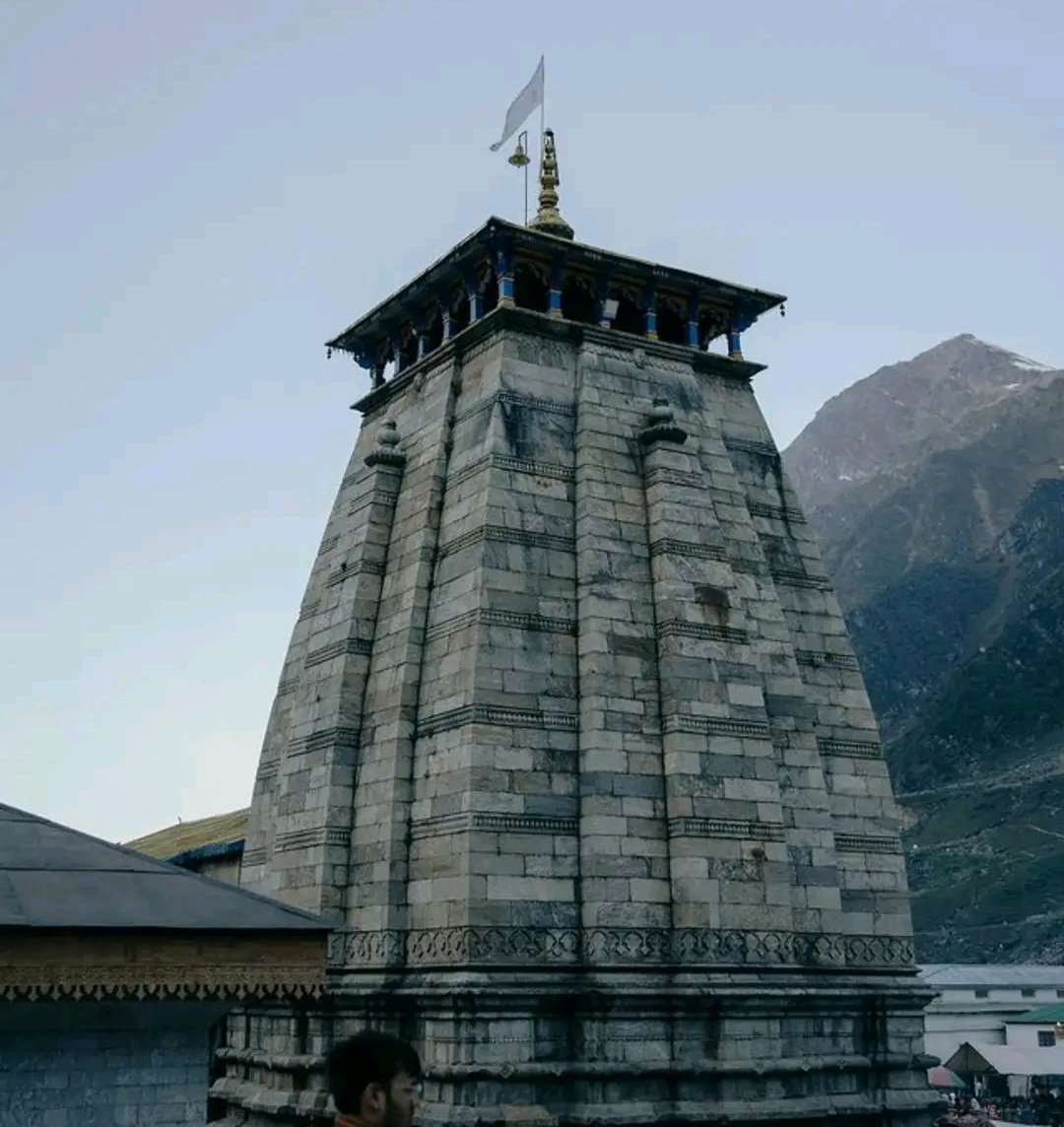
Kedarnath Temple is known for its impressive stone architecture. Built using large, heavy stone slabs, the structure has a simple yet powerful appearance that blends naturally with its Himalayan surroundings.
The main shrine houses the sacred form of Lord Shiva worshipped by devotees. The temple's traditional design, sturdy stone walls, and mountain backdrop create a unique spiritual atmosphere.
The surrounding landscape, including towering peaks and the Mandakini River, adds to the temple's beauty and religious importance.
Best Time to Visit Kedarnath Temple

The most suitable time to visit Kedarnath is generally during the temple's official pilgrimage season, usually from late spring to autumn.
The temple typically opens around April or May and closes around October or November, depending on the traditional calendar and weather conditions.
Important: Temple opening and closing dates change each year. Check the official Shri Badarinath-Kedarnath Temple Committee announcements before planning your journey.
During winter, the region experiences heavy snowfall, and regular access to the temple becomes difficult. The worship tradition continues at the winter seat of Kedarnath at Ukhimath.
How to Reach Kedarnath
Kedarnath is accessible through a combination of road travel and a mountain trek.
By Air

The nearest commonly used airport is Jolly Grant Airport in Dehradun. From there, travellers can continue by road towards the Kedarnath pilgrimage route.
By Train

Rishikesh and Haridwar are commonly used railway access points for pilgrims travelling towards Kedarnath. From the railway station, visitors can hire a taxi or use available road transport.
By Road
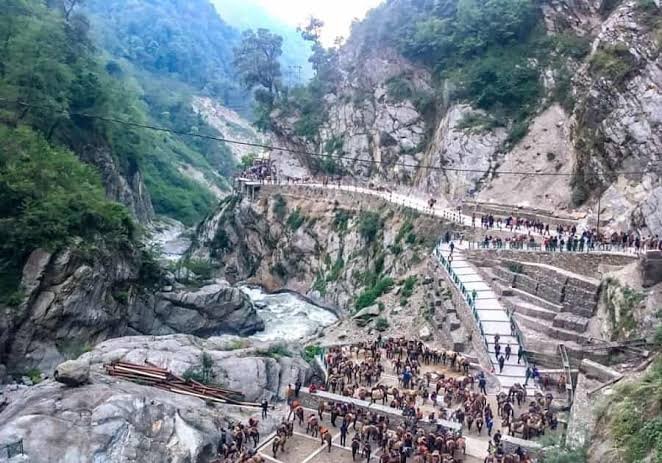
Pilgrims generally travel by road to Gaurikund, the starting point of the traditional trek to Kedarnath Temple.
Trek to Kedarnath
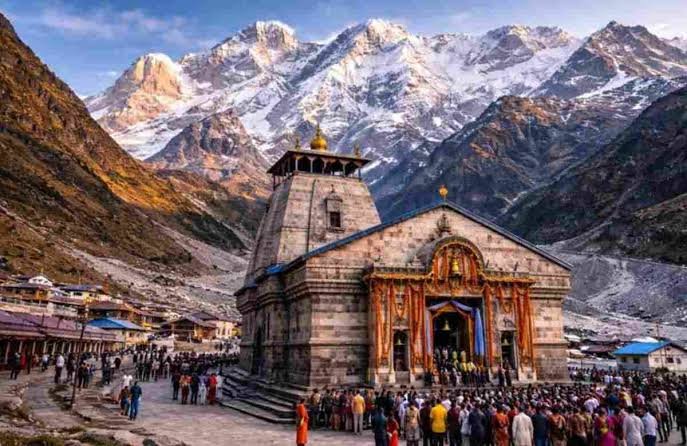
The trek from Gaurikund to Kedarnath is approximately 16–18 kilometres, depending on the route and current arrangements. The journey involves steep sections and high-altitude conditions.
Helicopter services, pony services, and palanquins may be available during the pilgrimage season, subject to official arrangements, weather, and availability.
Pilgrims should allow enough time for acclimatisation and follow local administration and health advisories.
Important Travel Tips for Kedarnath Yatra
Before beginning the Kedarnath Yatra, 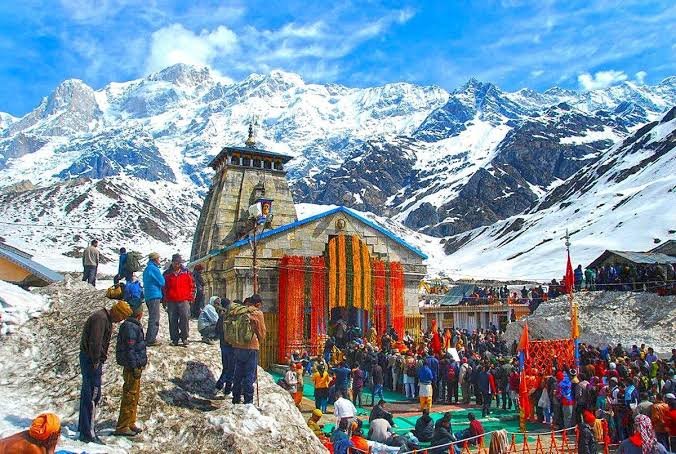 keep these points in mind:
1. Complete any required pilgrimage registration through the official channels.
2. Check weather forecasts, route conditions, and official travel advisories.
3. Carry warm clothing, waterproof outerwear, comfortable trekking shoes, and essential medicines.
4. Drink water regularly and avoid rushing during the trek.
5. Consult a medical professional if you have health concerns before undertaking a high-altitude journey.
6. Keep the Himalayan environment clean and avoid littering.
7. Book accommodation and authorised transport in advance during busy periods.
8. Follow the instructions of temple authorities and local administration.
Why Is Kedarnath So Special to Lord Shiva's Devotees?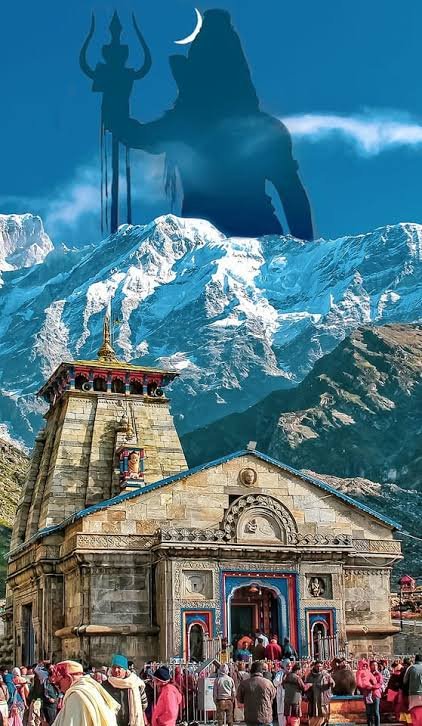
Kedarnath is more than a temple surrounded by mountains. For many devotees, it represents unwavering faith, the strength to overcome difficulties, and a personal connection with Lord Shiva.
The demanding journey teaches patience and perseverance, while the peaceful Himalayan setting encourages reflection and devotion. Standing before the sacred shrine, pilgrims often feel a deep sense of gratitude and spiritual fulfilment.
Kedarnath reminds devotees that faith can provide strength even during life's most challenging moments.
Frequently Asked Questions (FAQs)
1. Is Kedarnath one of the twelve Jyotirlingas?
Yes. Kedarnath in Uttarakhand is traditionally recognised as one of the twelve Jyotirlingas of Lord Shiva.
2. Who is the main deity of Kedarnath Temple?
Lord Shiva is the principal deity worshipped at Kedarnath Temple.
3. Where is Kedarnath Jyotirlinga situated?
Kedarnath Temple is located in Rudraprayag district, Uttarakhand, in the Garhwal Himalayas.
4. How long is the Kedarnath trek?
The traditional trek from Gaurikund is approximately 16–18 kilometres, depending on the route and current arrangements.
5. When does Kedarnath Temple open?
The temple generally opens in April or May. The exact date is announced each year by the temple authorities.
6. Why is Kedarnath important in Hinduism?
Kedarnath is an important Shiva pilgrimage site, one of the twelve Jyotirlingas, and one of the four sites of the Uttarakhand Char Dham pilgrimage.
7. Can Kedarnath be visited during winter?
Regular pilgrimage access is generally unavailable during the winter closure. The winter worship tradition is associated with Ukhimath.
Conclusion
Kedarnath Jyotirlinga is one of India's most revered spiritual destinations. Its ancient traditions, sacred connection with Lord Shiva, magnificent Himalayan setting, and challenging pilgrimage make it a remarkable place in Sanatan Dharma.
For devotees, Kedarnath is a symbol of faith, devotion, courage, and spiritual transformation. Whether you visit the temple in person or learn about its history and legends, its message of surrender and devotion continues to inspire millions.
Har Har Mahadev! Jai Baba Kedarnath! 🙏