Mata Durga and Navadurga: The Divine Forms of Goddess Durga
Sep 21, 2026 · 6 min read · 215 views
Introduction
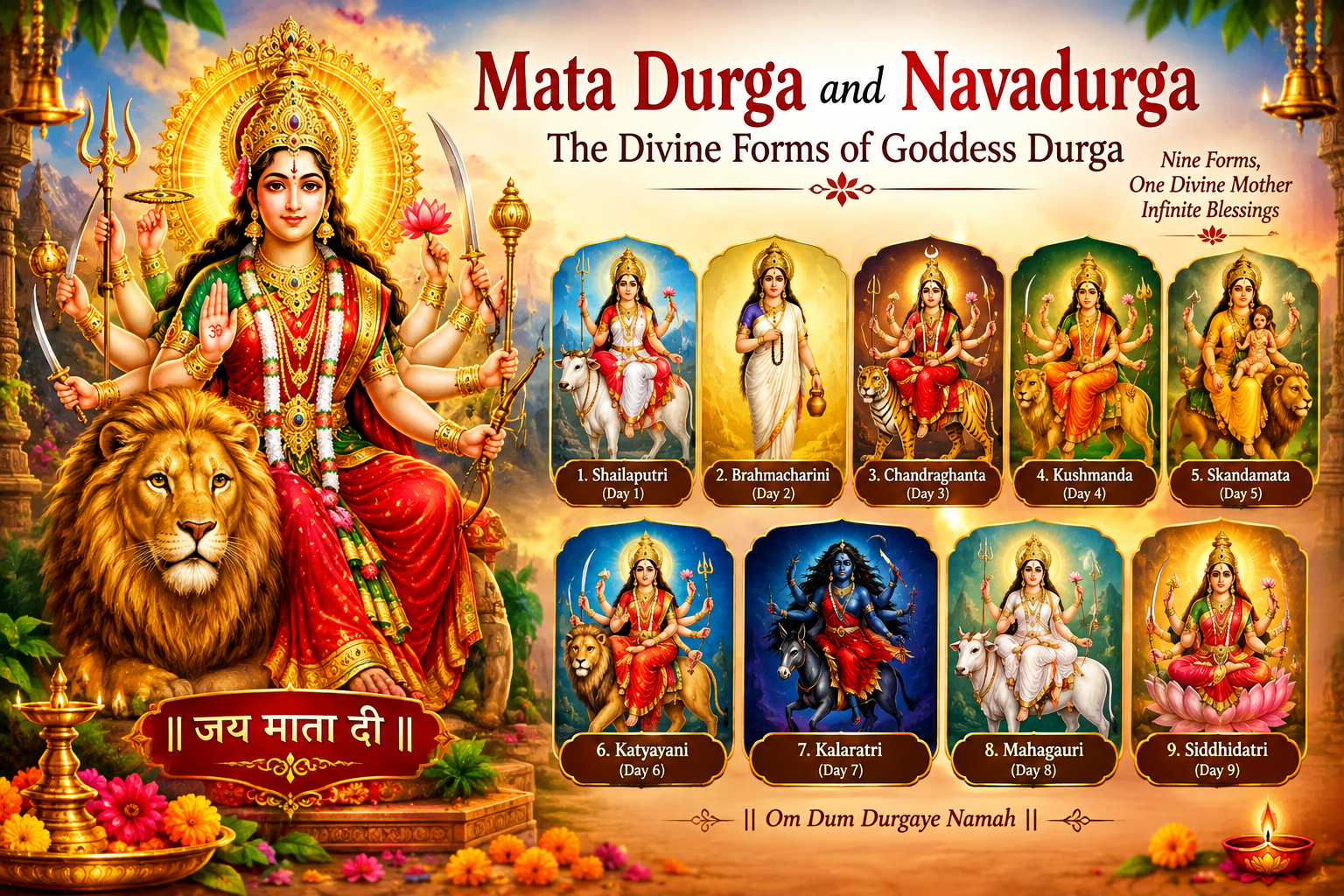
Mata Durga is one of the most revered forms of the Divine Mother in Hinduism. She represents Shakti, the divine feminine power that creates, protects, and transforms the universe. Goddess Durga is worshipped as a symbol of courage, strength, protection, purity, and victory over negative forces.
The word “Durga” is traditionally associated with the idea of overcoming difficulties and protecting devotees from danger. She is often depicted riding a lion or tiger and carrying various divine weapons in her hands. Her powerful form reminds devotees that truth and righteousness ultimately overcome evil.
Among the many manifestations of Goddess Durga, the Navadurga, or nine forms of Durga, hold special spiritual importance. These nine forms are especially worshipped during the nine days of Navratri.
Who Is Mata Durga?
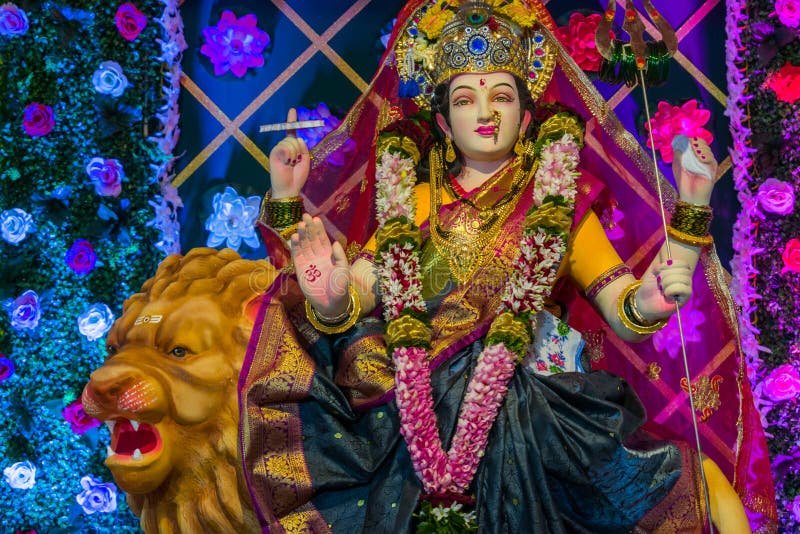
Mata Durga is regarded as the embodiment of divine Shakti. In Hindu traditions, she represents the combined divine power of the gods and is described as a protector of Dharma.
One of the most famous stories associated with Goddess Durga is her battle with the demon Mahishasura. According to Hindu sacred traditions, Mahishasura had become extremely powerful and was troubling the gods and the world. The divine powers united to manifest Goddess Durga, who fought Mahishasura and ultimately defeated him.
This story symbolizes the victory of Dharma over Adharma, good over evil, and knowledge over ignorance.
What Is Navadurga?
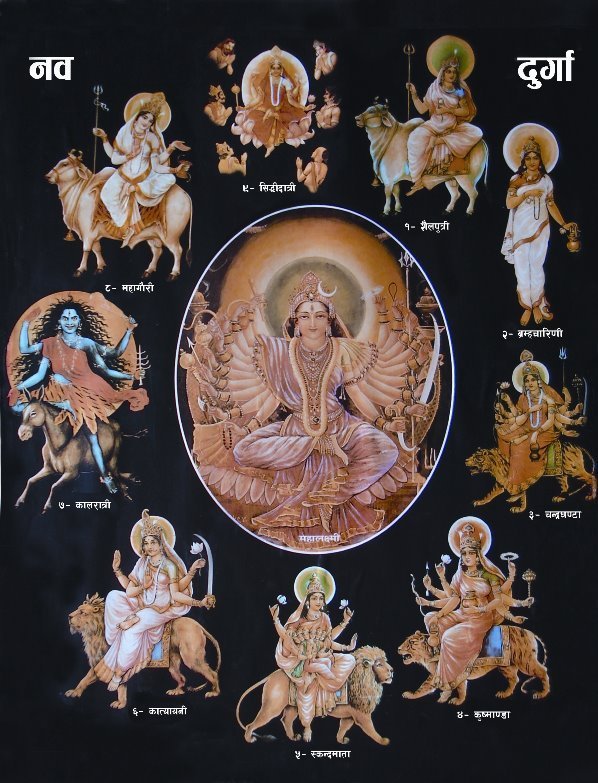
Navadurga means the nine divine forms of Goddess Durga. Each form represents a different quality of Shakti and has its own name, symbolism, appearance, and spiritual significance.
During the nine days of Navratri, devotees traditionally worship one form of Navadurga on each day.
1. Shailaputri
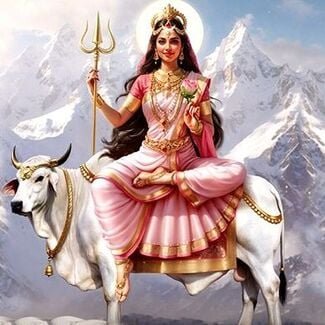
Shailaputri is the first form of Navadurga. The name means “Daughter of the Mountain.” She is associated with Goddess Parvati and is traditionally depicted riding a bull while holding a trident and lotus.
Shailaputri represents strength, stability, purity, and devotion. Her worship is associated with establishing a strong spiritual foundation.
2. Brahmacharini
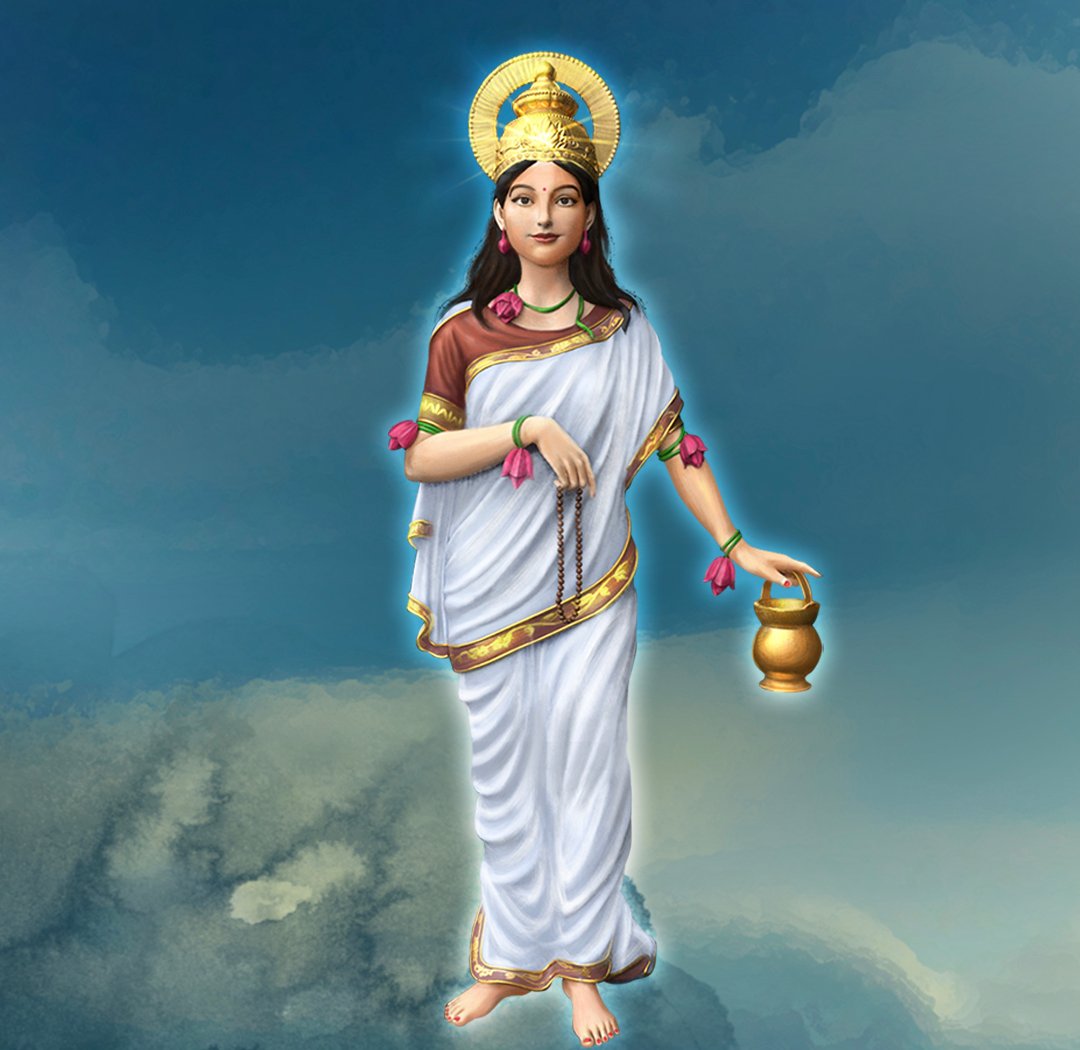
Brahmacharini is the second form of Navadurga. She represents austerity, devotion, discipline, and spiritual determination.
She is traditionally shown carrying a rosary and a water pot. Her form reminds devotees of the importance of patience, self-control, dedication, and faith on the spiritual path.
3. Chandraghanta
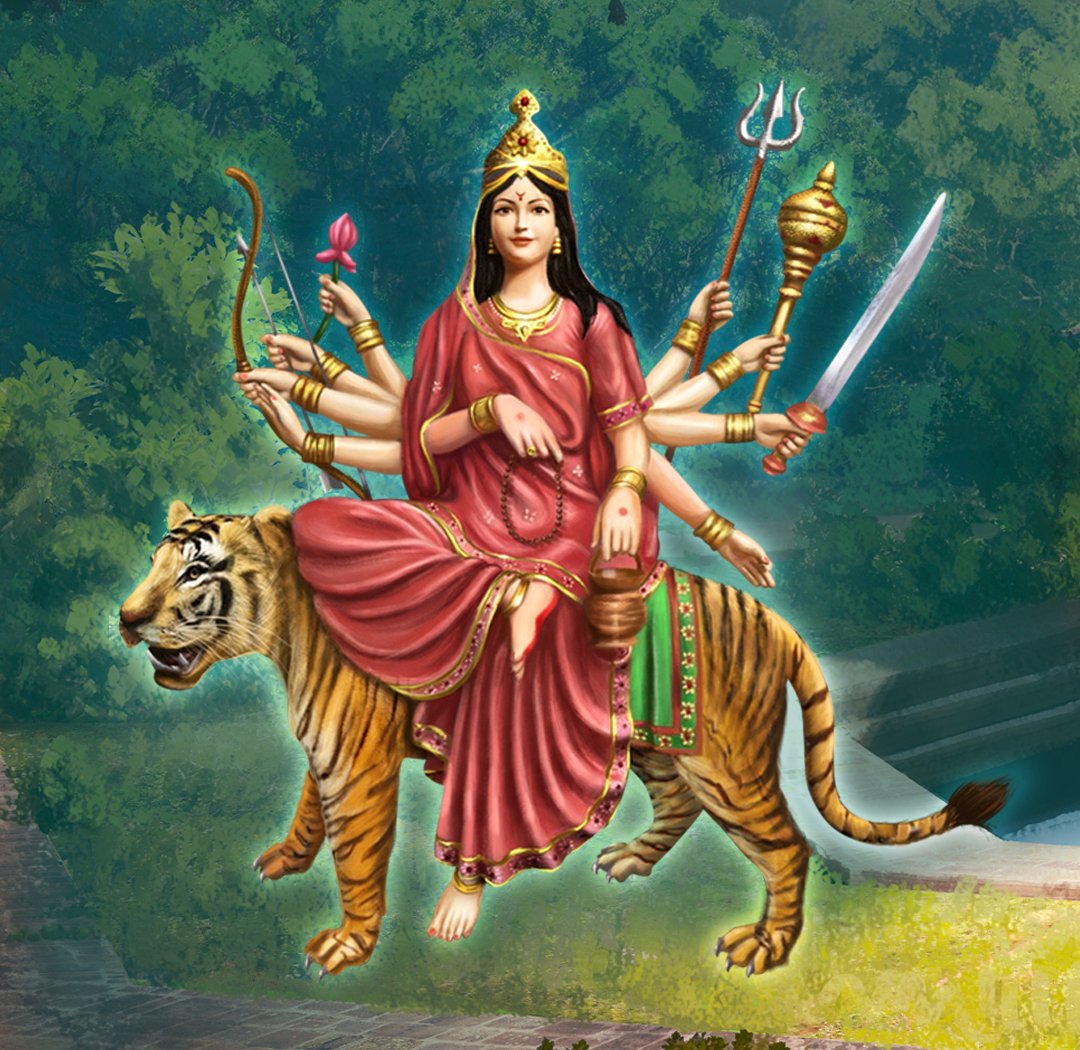
Chandraghanta is the third form of Goddess Durga. She is traditionally depicted with a crescent moon shaped like a bell on her forehead.
The name Chandraghanta combines “Chandra,” meaning moon, and “Ghanta,” meaning bell.
She symbolizes courage, peace, protection, and inner strength. Her worship is believed to inspire devotees to face difficulties with confidence.
4. Kushmanda
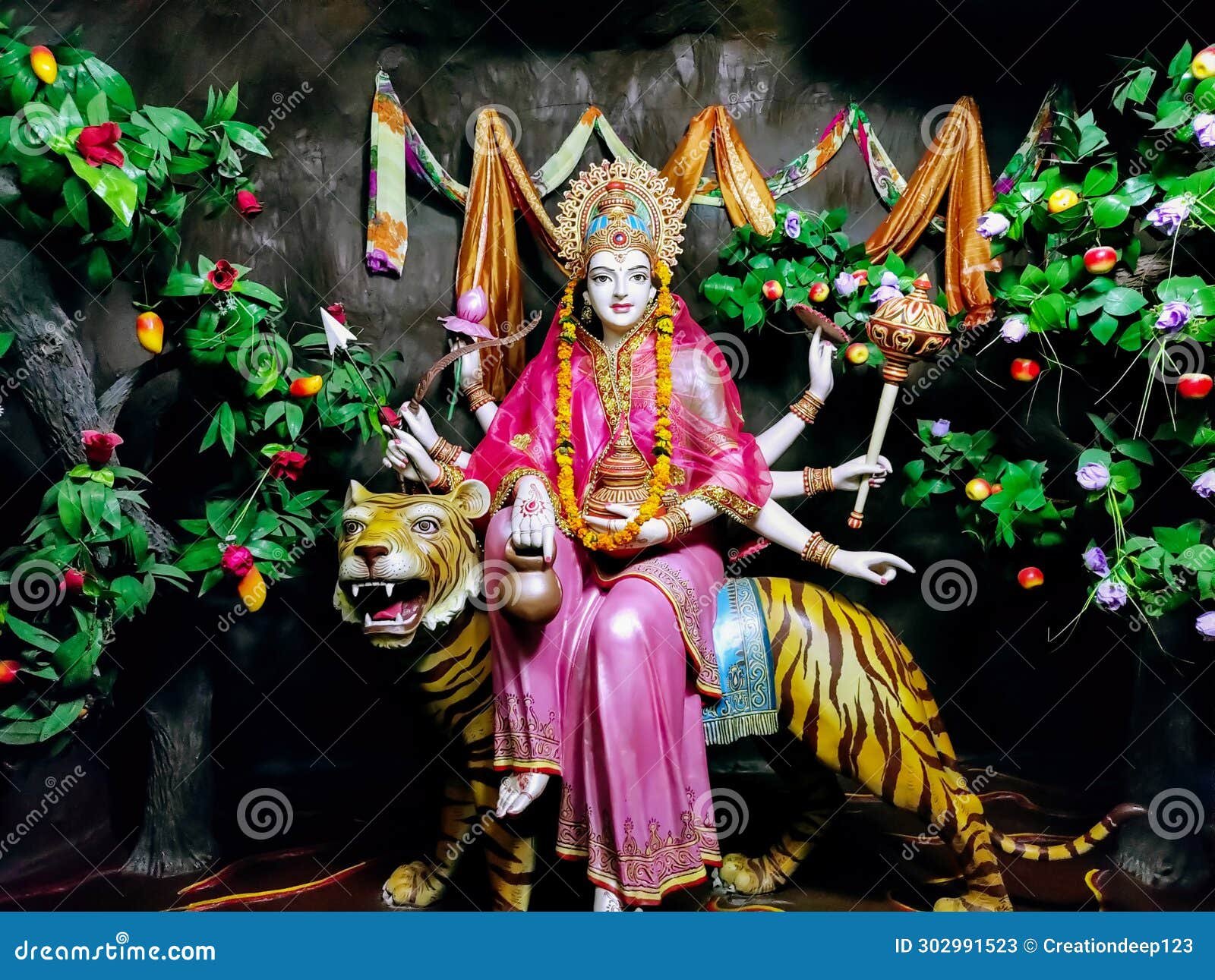
Kushmanda is the fourth form of Navadurga. Her name is traditionally interpreted in connection with the cosmic creation and divine energy.
She is associated with creation, vitality, light, and positive energy. According to devotional traditions, Goddess Kushmanda represents the creative power of the Divine Mother.
5. Skandamata
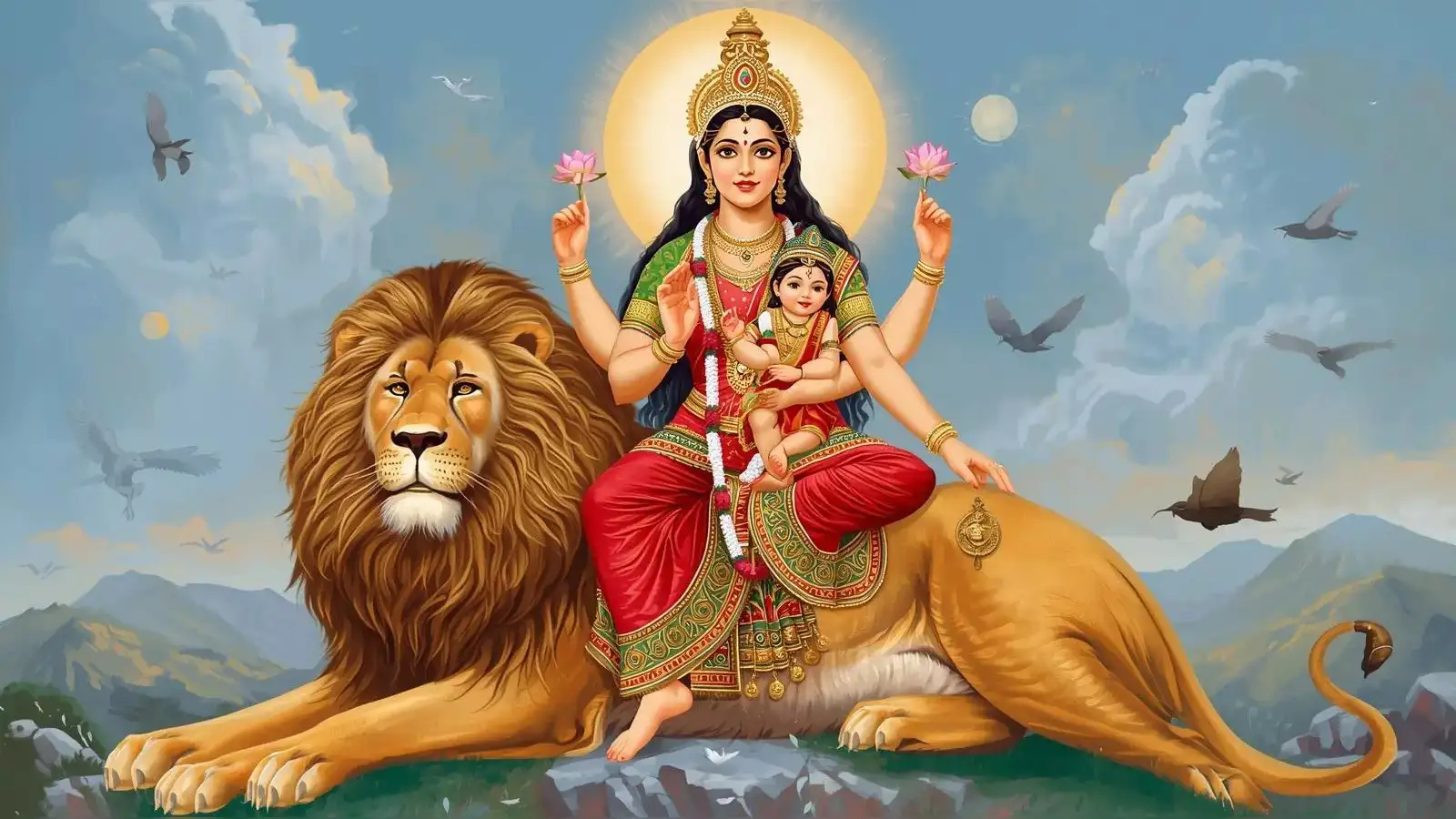
Skandamata is the fifth form of Navadurga and is known as the mother of Lord Skanda (Kartikeya).
She is traditionally depicted holding her son Skanda. Her form represents motherhood, compassion, love, protection, and nurturing energy.
Devotees worship Skandamata for peace, family well-being, and maternal blessings.
6. Katyayani
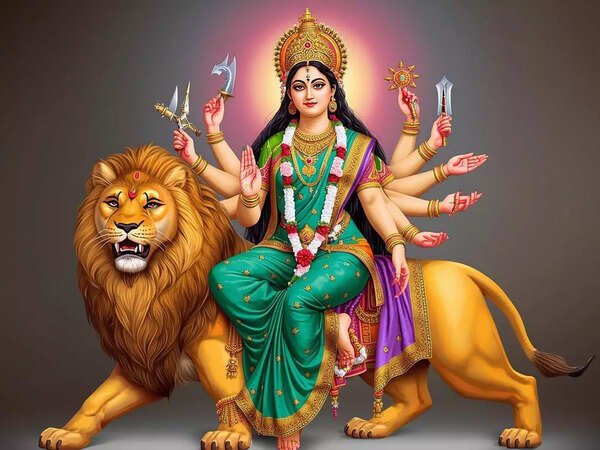
Katyayani is the sixth form of Navadurga. She is traditionally associated with courage and the destruction of negative forces.
Her form represents strength, bravery, righteousness, and protection. Katyayani reminds devotees to stand firmly for truth and Dharma.
7. Kalaratri
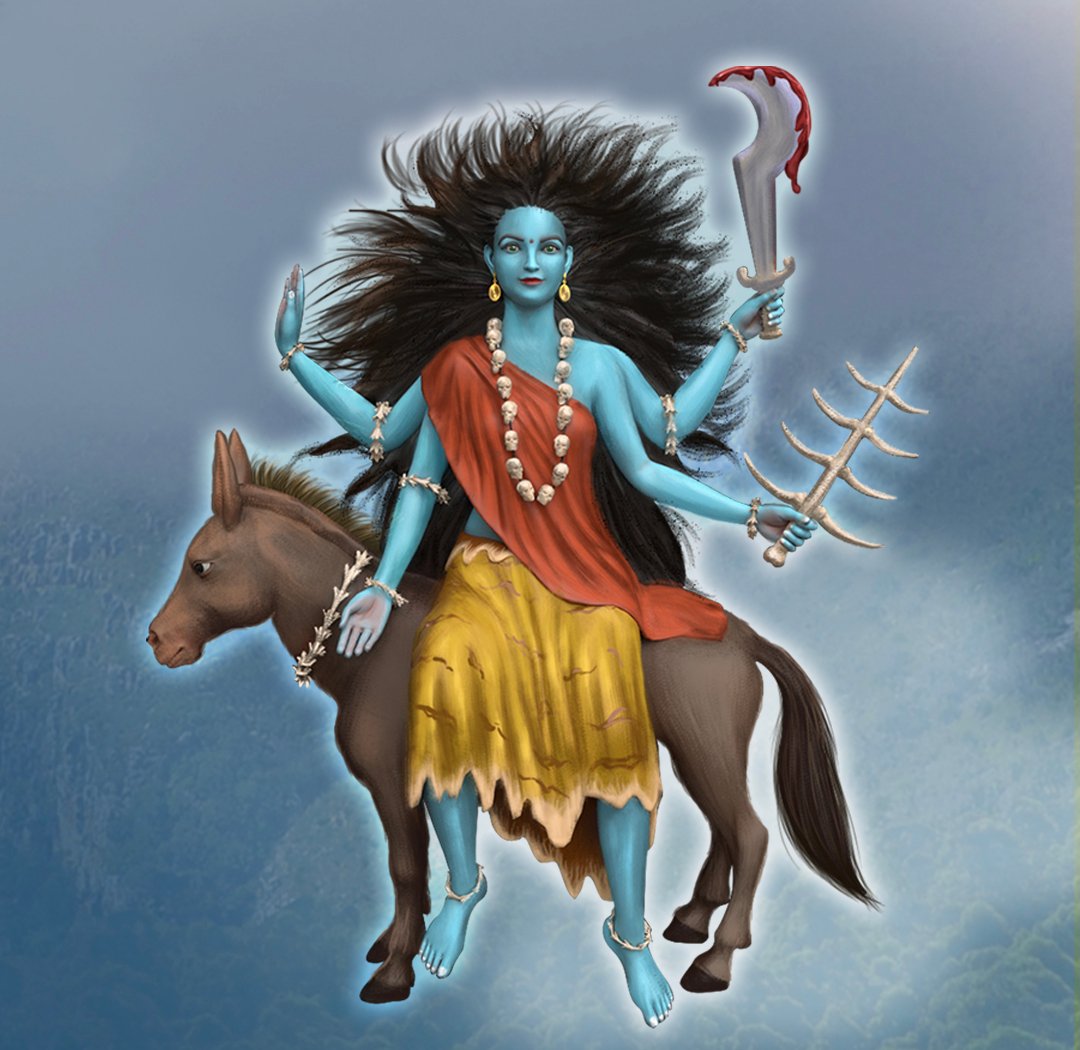
Kalaratri is the seventh form of Navadurga and is considered one of the most powerful manifestations of Goddess Durga.
Her fierce appearance symbolizes the destruction of fear, darkness, ignorance, and negativity. Although her appearance is fearsome, devotees regard her as a compassionate protector who removes obstacles and grants courage.
Kalaratri teaches that divine power can destroy darkness and lead a person toward spiritual light.
8. Mahagauri
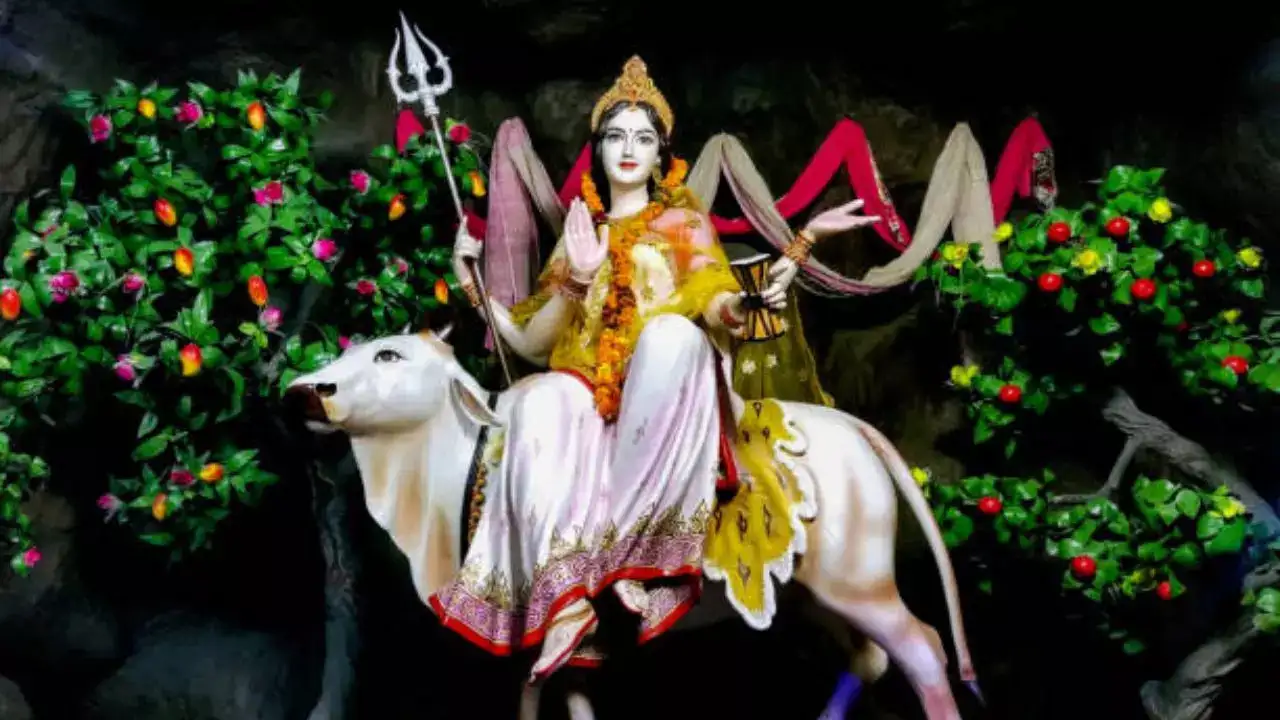
Mahagauri is the eighth form of Navadurga. The name means “Extremely Radiant or Pure.”
She represents purity, peace, forgiveness, spiritual cleansing, and serenity. Her peaceful form reminds devotees of the importance of a pure heart and positive thoughts.
9. Siddhidatri
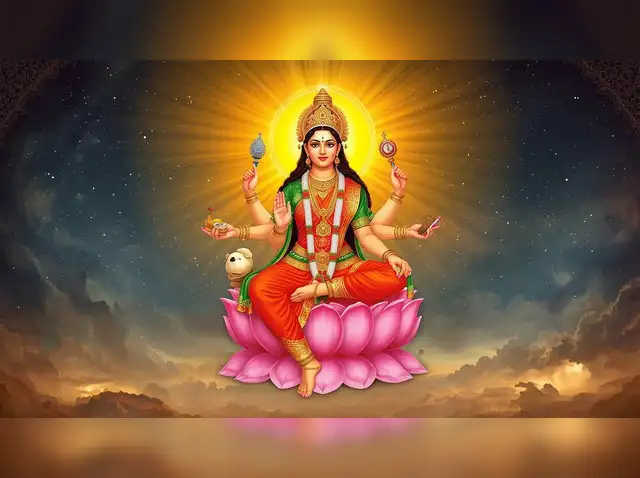
Siddhidatri is the ninth and final form of Navadurga. The word “Siddhi” refers to spiritual accomplishment or divine attainment, while “Datri” means giver.
She represents wisdom, spiritual fulfillment, blessings, and divine grace. Devotees worship Siddhidatri at the conclusion of Navratri with prayers for spiritual progress and inner peace.
Spiritual Significance of Navadurga
The nine forms of Durga can also be understood as a spiritual journey. Each form represents a different quality that a person can develop in life.
From strength and devotion to courage, purity, wisdom, and spiritual fulfillment, Navadurga provides a symbolic path of inner transformation.
Navratri is therefore not only a festival of worship but also an opportunity for devotees to reflect on their thoughts, actions, values, and spiritual journey.
Why Is Goddess Durga Worshipped During Navratri?
Navratri is a sacred festival dedicated to the worship of Shakti. During these nine days, devotees pray to the different forms of Goddess Durga.
People may observe fasting, perform prayers, visit temples, recite sacred texts, participate in devotional gatherings, and practice meditation.
The festival teaches the importance of faith, self-discipline, devotion, courage, and righteousness.
The Symbolism of Goddess Durga
The traditional image of Goddess Durga contains many spiritual symbols.
- Lion or Tiger: Represents courage and strength.
- Weapons: Symbolize divine power used to overcome injustice and negativity.
- Lotus: Represents purity and spiritual awakening.
- Multiple Arms: Represent the many forms of divine power and the ability to protect devotees.
- Peaceful Face: Represents compassion and divine grace.
Together, these symbols present Goddess Durga as both a powerful protector and a compassionate mother.
Message of Mata Durga for Modern Life
The teachings associated with Goddess Durga remain meaningful in everyday life. Her story encourages people to face difficulties with courage rather than fear.
Durga reminds us that challenges are a part of life, but faith, discipline, courage, and righteous action can help us move forward.
Her divine forms also teach that true strength is not only physical. Inner strength, patience, compassion, wisdom, and self-control are equally important.
Conclusion
Mata Durga is a powerful symbol of Shakti, courage, protection, purity, and victory of Dharma. The nine forms of Navadurga beautifully represent different aspects of divine feminine energy.
Shailaputri, Brahmacharini, Chandraghanta, Kushmanda, Skandamata, Katyayani, Kalaratri, Mahagauri, and Siddhidatri each carry a unique spiritual message.
The worship of Navadurga during Navratri gives devotees an opportunity to strengthen their faith, overcome negativity, develop inner courage, and move toward spiritual awareness.
May Mata Durga bless everyone with strength, peace, wisdom, courage, and happiness. Jai Mata Di!
Frequently Asked Questions
1. Who is Mata Durga?
Mata Durga is a revered Hindu goddess and a manifestation of divine Shakti. She is worshipped as a protector and symbol of courage and righteousness.
2. What are the nine forms of Durga?
The nine forms are Shailaputri, Brahmacharini, Chandraghanta, Kushmanda, Skandamata, Katyayani, Kalaratri, Mahagauri, and Siddhidatri.
3. Why are the nine forms called Navadurga?
“Navadurga” means the nine forms of Goddess Durga. They are traditionally worshipped during the nine days of Navratri.
4. What does Goddess Durga symbolize?
Goddess Durga symbolizes divine power, courage, protection, purity, compassion, and the victory of Dharma over Adharma.
5. Why is Durga worshipped during Navratri?
During Navratri, devotees worship different forms of Goddess Durga and seek divine blessings, spiritual strength, peace, and protection.
Hashtags
#MataDurga #Navadurga #GoddessDurga #Navratri #Shakti #SanatanDharma #Hinduism #DurgaMata #JaiMataDi #HinduFestivals #Spirituality #Devi #DivineFeminine #NavratriFestival #SanatanCulture
More in Sanatan Dharma
Nashik-Trimbakeshwar Simhastha Kumbh Mela 2026-28: Dates, Amrit Snan and Complete Details
श्रीकृष्णाने सांगितलेले कर्माचे महत्त्व – जीवन जगण्याचा अनमोल संदेश
