Somnath Jyotirlinga – Gujarat: History, Significance, Temple and Spiritual Importance
Oct 3, 2026 · 6 min read · 149 views

Introduction
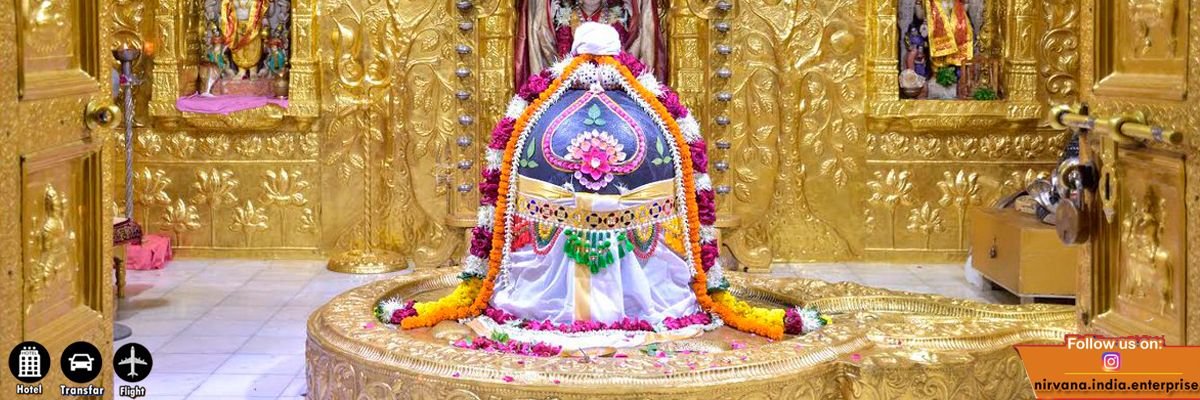
Somnath Jyotirlinga, located in Prabhas Patan near Veraval in Gujarat, is one of the twelve sacred Jyotirlingas dedicated to Lord Shiva. The temple holds a special place in Hindu tradition and is associated with ancient legends, spirituality, devotion, and India's rich cultural heritage.
The word “Somnath” means “Lord of the Moon.” According to Hindu tradition, the Moon God, known as Chandra or Soma, worshipped Lord Shiva at this sacred place after suffering a curse. Lord Shiva blessed him and restored his radiance. Because of this legend, the shrine became known as Somnath.
Today, Somnath Temple is one of the most important pilgrimage destinations in Gujarat and attracts devotees from different parts of India and around the world.
Somnath Jyotirlinga Temple – Location
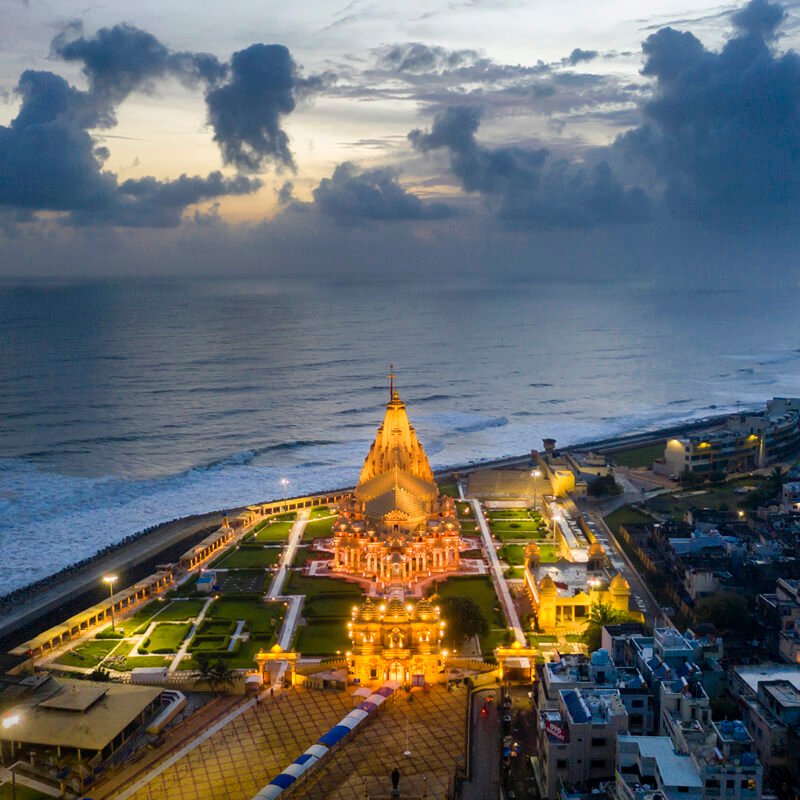
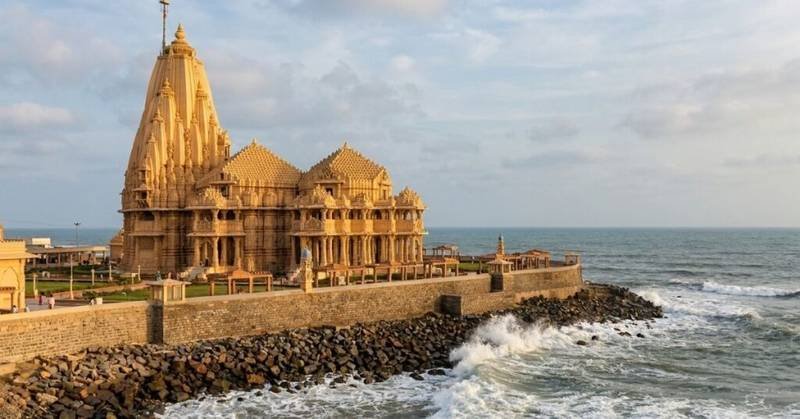
Somnath Temple is situated at Prabhas Patan, close to Veraval in the Gir Somnath district of Gujarat, India. The temple stands near the Arabian Sea, creating a beautiful and spiritually significant setting.
The temple's location is traditionally associated with the ancient Prabhas Kshetra, which is mentioned in Hindu religious traditions.
The Legend of Somnath Jyotirlinga
According to Hindu mythology, Chandra married the 27 daughters of Daksha Prajapati, who represent the 27 Nakshatras. However, Chandra was particularly fond of Rohini and neglected his other wives.
Daksha became angry and cursed Chandra to gradually lose his radiance. Chandra prayed to Lord Shiva at Prabhas Kshetra and performed severe penance.
Pleased with his devotion, Lord Shiva appeared before Chandra and blessed him. Although the curse could not be completely removed, Shiva allowed Chandra to regain his brightness periodically.
This story is traditionally associated with the waxing and waning phases of the Moon and is one of the important legends connected with Somnath Jyotirlinga.
Why Is Somnath Called a Jyotirlinga?
A Jyotirlinga is considered a sacred manifestation of Lord Shiva. Hindu tradition recognizes twelve principal Jyotirlinga shrines across India.
Somnath is traditionally regarded as the first among these twelve Jyotirlingas in many devotional traditions. The shrine represents the divine presence of Lord Shiva and is an important destination for Shiva devotees.
History of Somnath Temple
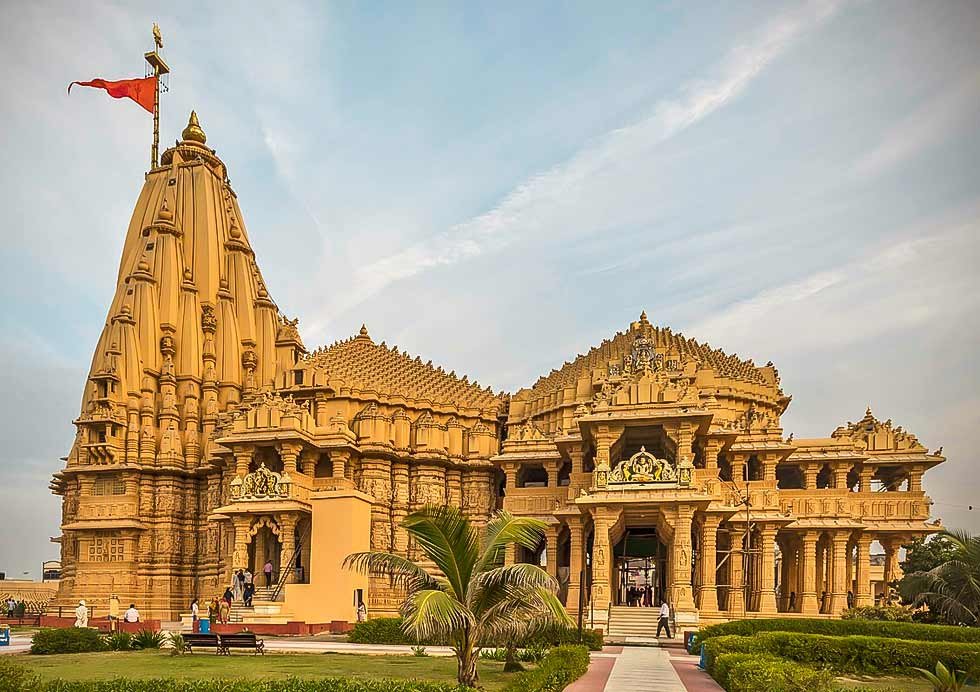
Somnath has a long and remarkable history. The temple has been associated with different periods of Indian history and has undergone reconstruction several times.
Historical accounts describe repeated destruction and rebuilding of the temple over the centuries. After India's independence, the reconstruction of the present temple became an important cultural and religious project.
The present temple was reconstructed in the traditional style and was formally inaugurated in 1951 in the presence of India's first President, Dr. Rajendra Prasad.
The temple therefore represents not only religious devotion but also the preservation of India's cultural heritage.
Architecture of Somnath Temple
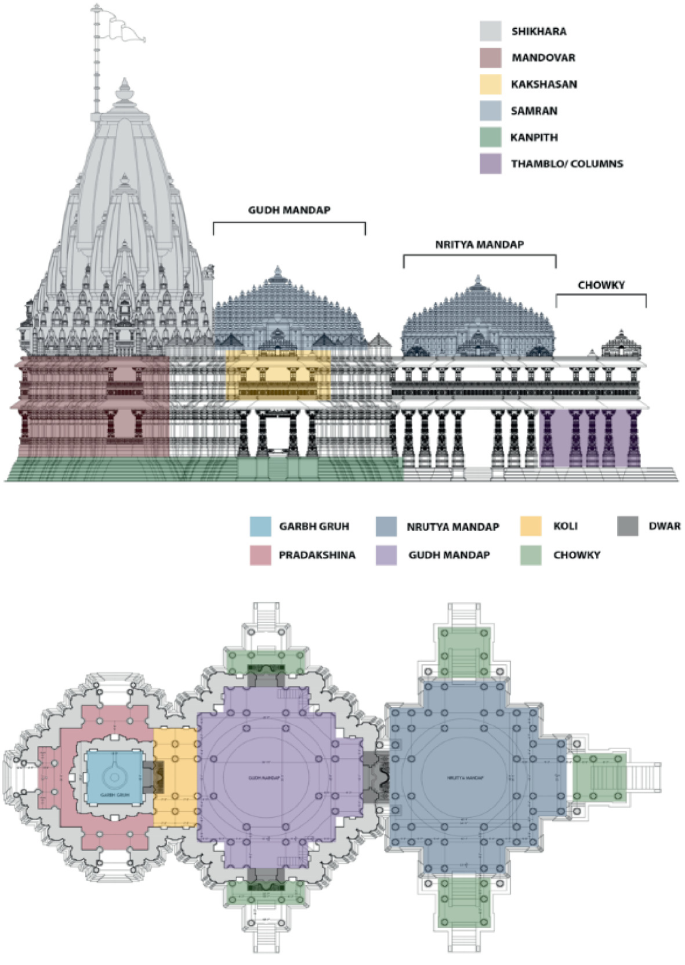
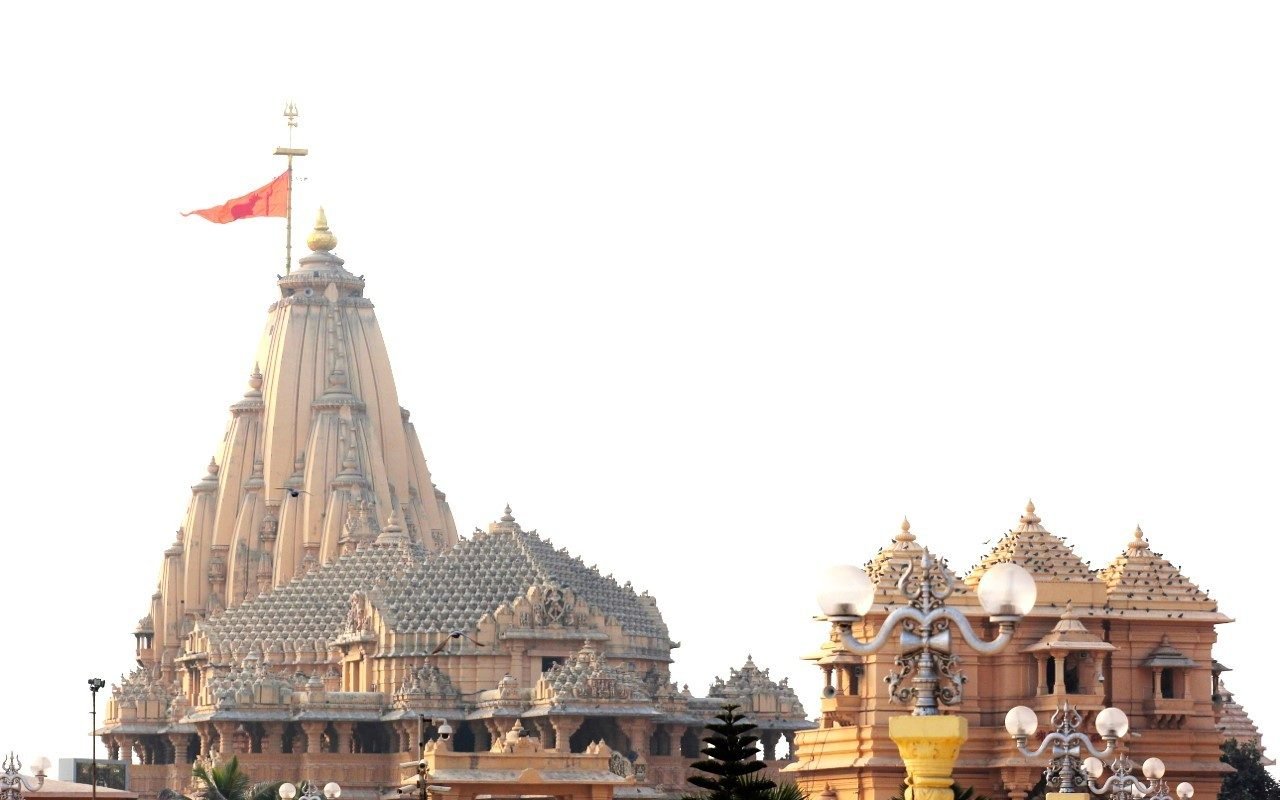
The present Somnath Temple is built in the Chaulukya style of Hindu temple architecture. Its magnificent structure, intricate details, tall shikhara, and location beside the Arabian Sea make it visually impressive.
The temple's main shikhara rises prominently above the surrounding area. The sacred Jyotirlinga is located inside the sanctum sanctorum, where devotees offer prayers to Lord Shiva.
The temple complex also provides a peaceful atmosphere for meditation and spiritual reflection.
Religious Significance of Somnath
Somnath is considered highly sacred among devotees of Lord Shiva. Visiting the temple, offering prayers, performing Abhishekam, and chanting the name of Lord Shiva are important devotional practices for many pilgrims.
The temple is especially significant during major Hindu festivals such as Mahashivratri, when large numbers of devotees visit the shrine.
The sacred atmosphere of Somnath and its connection with ancient Hindu traditions make it an important pilgrimage destination.
Somnath and Prabhas Kshetra
Prabhas Kshetra is an important sacred region in Hindu tradition. It is associated with several stories from Hindu scriptures and traditions.
The area is also traditionally connected with the final earthly events in the life of Lord Krishna. Nearby sacred places, temples, and pilgrimage sites make Prabhas Patan an important spiritual destination.
Best Time to Visit Somnath Temple
Somnath can be visited throughout the year. However, many devotees prefer visiting during:
- Mahashivratri
- Shravan month
- Kartik month
- Major Hindu festivals
- Winter months, when the weather is generally more comfortable
Devotees should check the temple's official timings and local travel information before planning their visit.
How to Reach Somnath
By Air
The nearest airports include Diu Airport and other airports in Gujarat with onward road or rail connections. Travelers should check current flight and transport availability before planning their journey.
By Train
Veraval Railway Station is an important railway station near Somnath. It is connected with several cities in Gujarat and other parts of India.
By Road
Somnath is well connected by road with major cities and pilgrimage destinations in Gujarat. Buses, taxis, and private vehicles can be used to reach the temple.
Places to Visit Near Somnath
Visitors can explore several religious and historical places around Somnath, including:
- Bhalka Tirth
- Triveni Sangam
- Prabhas Patan
- Gita Mandir
- Surya Mandir
- Panch Pandav Gufa
- Somnath Beach
These places can make a Somnath pilgrimage a more complete spiritual and cultural journey.
Somnath Temple and Mahashivratri
Mahashivratri is one of the most important festivals dedicated to Lord Shiva. Somnath Temple becomes especially vibrant during this period.
Devotees participate in prayers, religious ceremonies, chanting, and other devotional activities. The atmosphere of the temple during Mahashivratri reflects the deep faith associated with Lord Shiva.
Spiritual Message of Somnath Jyotirlinga
The story of Somnath teaches devotees about faith, devotion, humility, and the power of sincere prayer. The legend of Chandra reminds us that difficult periods are temporary and that devotion and perseverance can help us move forward.
For many devotees, visiting Somnath is not simply a journey to a temple but a spiritual experience connected with Lord Shiva.
Frequently Asked Questions
1. Where is Somnath Jyotirlinga located?
Somnath Jyotirlinga is located at Prabhas Patan near Veraval in Gujarat, India.
2. Why is Somnath famous?
Somnath is famous as one of the twelve Jyotirlingas of Lord Shiva and for its ancient religious and cultural significance.
3. Who is Somnath?
Somnath means “Lord of the Moon” and is a name of Lord Shiva associated with the legend of Chandra.
4. Which Jyotirlinga is Somnath?
Somnath is one of the twelve principal Jyotirlingas dedicated to Lord Shiva.
5. Which sea is near Somnath Temple?
Somnath Temple is situated on the western coast of Gujarat beside the Arabian Sea.
6. What is the best time to visit Somnath?
Somnath can be visited throughout the year. Winter is generally comfortable for travel, while Mahashivratri and Shravan are especially important for devotees.
Conclusion
Somnath Jyotirlinga is one of India's most revered Shiva temples and an important symbol of Hindu faith and heritage. Its ancient legends, spiritual significance, magnificent architecture, and location beside the Arabian Sea make it a special pilgrimage destination.
For devotees of Lord Shiva, Somnath is a place of prayer, devotion, and spiritual reflection. The sacred name “Om Namah Shivaya” continues to resonate in the temple and reminds pilgrims of the eternal presence of Lord Shiva.
Har Har Mahadev! 🔱
Om Namah Shivaya! 🙏