Trimbakeshwar Jyotirlinga, Maharashtra: History, Significance, Temple Timings and Travel Guide
Oct 16, 2026 · 9 min read · 95 views
Trimbakeshwar Jyotirlinga, Maharashtra: History, Significance, Temple Timings and Travel Guide
Introduction
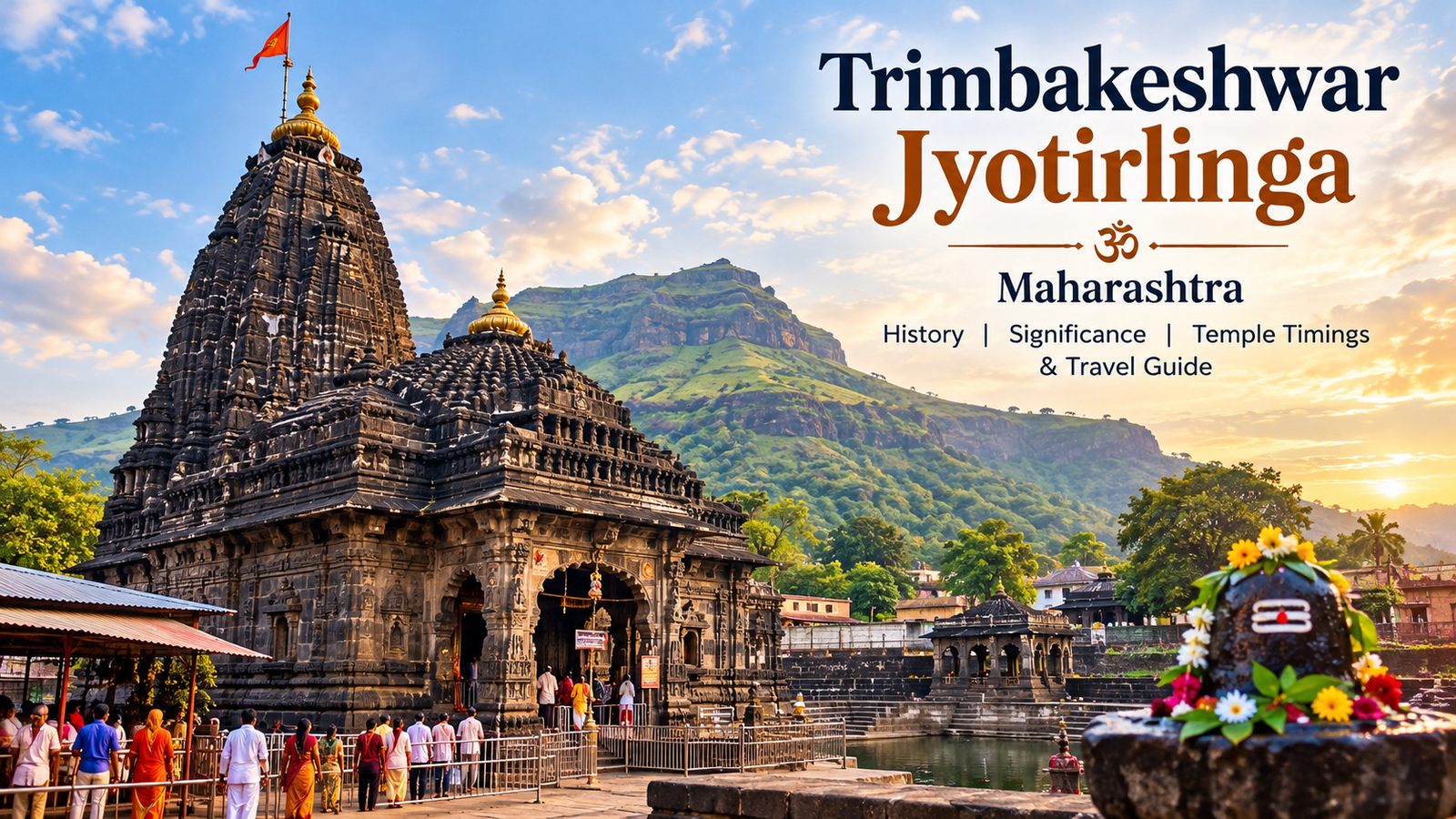
Trimbakeshwar Jyotirlinga is one of the most sacred Hindu temples in India, located in the holy town of Trimbak near Nashik, Maharashtra. Dedicated to Lord Shiva, this ancient temple is one of the twelve Jyotirlingas mentioned in Hindu tradition. It is also closely associated with the origin of the sacred Godavari River, which is revered as one of India's holiest rivers.
Known for its beautiful stone architecture, spiritual atmosphere, and religious importance, Trimbakeshwar Temple attracts thousands of devotees and pilgrims throughout the year. It is an important destination for people seeking divine blessings, peace of mind, and a deeper connection with Sanatan Dharma.
History of Trimbakeshwar Jyotirlinga
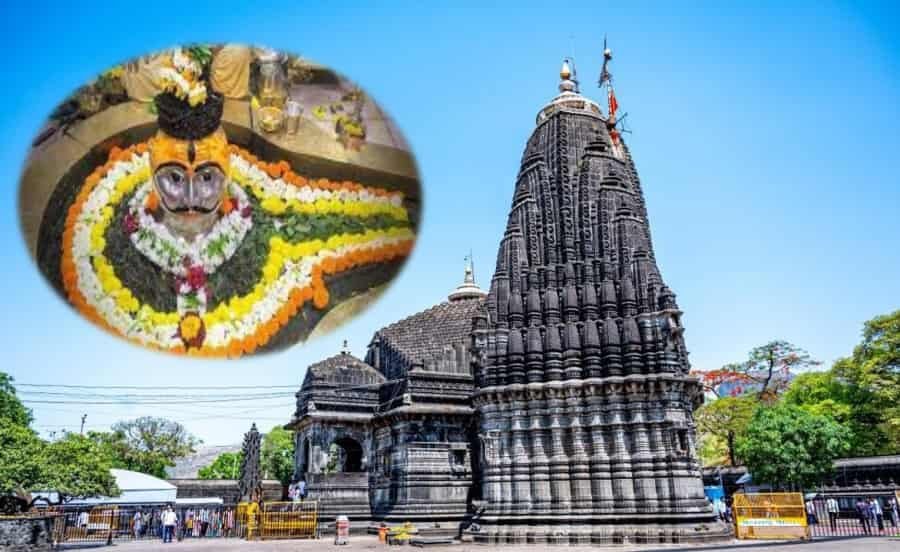
Trimbakeshwar Temple has a long and sacred history rooted in Hindu mythology and religious tradition. According to popular Hindu beliefs, the temple is associated with Lord Shiva, Lord Brahma, and Lord Vishnu.
The present temple structure is traditionally associated with Peshwa Balaji Baji Rao, also known as Nanasaheb Peshwa, who sponsored its construction during the eighteenth century. Built primarily from black stone, the temple is admired for its traditional Hemadpanthi-influenced architectural features and intricate craftsmanship.
Over the centuries, Trimbakeshwar has developed into an important pilgrimage centre for devotees of Lord Shiva. Its religious significance extends beyond the temple itself because the surrounding region is connected with the sacred Godavari River and several Hindu pilgrimage traditions.
Religious Significance of Trimbakeshwar Temple
Trimbakeshwar is especially important because it is one of the twelve Jyotirlingas of Lord Shiva. A Jyotirlinga represents the divine, infinite light of Shiva.
One unique feature of the Trimbakeshwar Jyotirlinga is its traditional representation through three small lingas associated with Brahma, Vishnu, and Mahesh (Shiva). This symbolism is often understood as representing the three principal divine functions in Hindu tradition: creation, preservation, and transformation.
Devotees visit the temple to offer prayers, perform traditional rituals, and seek blessings for happiness, prosperity, spiritual growth, and family well-being.
The temple is also well known for certain religious ceremonies, including the Narayan Nagbali and Tripindi Shraddha rituals, which are performed according to specific Hindu traditions and beliefs.
The Connection Between Trimbakeshwar and the Godavari River
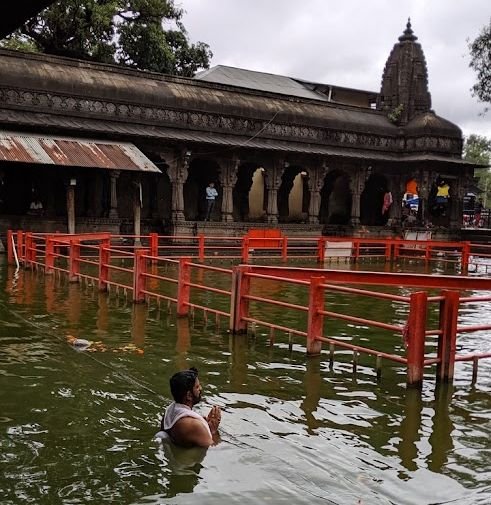
The Godavari River is one of the most important sacred rivers in India and is often called the Dakshin Ganga, or the Ganges of the South.
According to Hindu mythology, Sage Gautama performed penance to obtain the descent of the sacred river to Earth. Pleased by his devotion, Lord Shiva helped bring the Godavari into the region. This legend connects Trimbakeshwar with the spiritual origins of the river.
The Brahmagiri mountain, located near the temple, is traditionally associated with the source of the Godavari. Pilgrims often visit the surrounding sacred sites as part of their spiritual journey.
The relationship between Lord Shiva, Sage Gautama, and the Godavari makes Trimbakeshwar a significant place in Hindu religious culture.
Architecture of Trimbakeshwar Temple

Trimbakeshwar Temple is famous for its impressive black-stone construction and traditional Indian temple architecture.
Important architectural features include:
- Black Stone Structure: The temple is built primarily using dark stone, giving it a distinctive and ancient appearance.
- Intricate Carvings: Traditional carvings and decorative details reflect the craftsmanship of the period.
- Sacred Sanctum: The inner sanctum houses the revered Trimbakeshwar Jyotirlinga.
- Traditional Temple Design: The temple's structure reflects established Hindu architectural traditions and religious symbolism.
The temple's peaceful surroundings and historic design make it a remarkable example of Maharashtra's religious and cultural heritage.
Important Festivals Celebrated at Trimbakeshwar
Several Hindu festivals and religious occasions are celebrated at Trimbakeshwar Temple.
1. Mahashivratri
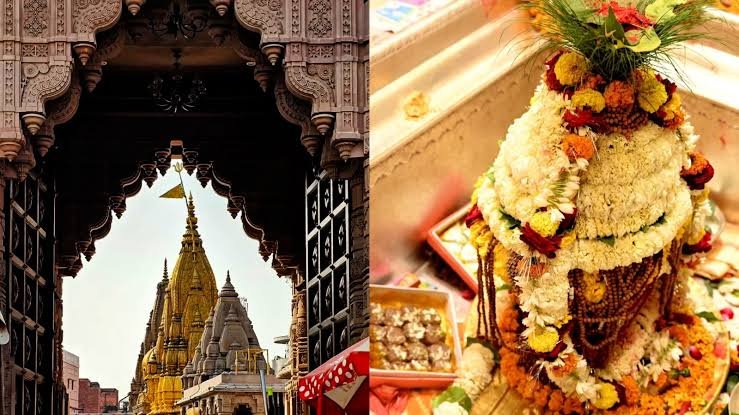
Mahashivratri is one of the most important festivals dedicated to Lord Shiva. Devotees visit the temple to offer prayers, observe fasting, chant Shiva mantras, and participate in religious ceremonies.
2. Shravan Month
The Hindu month of Shravan is considered especially sacred for worshipping Lord Shiva. Many devotees visit Trimbakeshwar during this period to perform Abhishek, offer Bilva leaves, and pray for divine blessings.
3. Kumbh Mela and Simhastha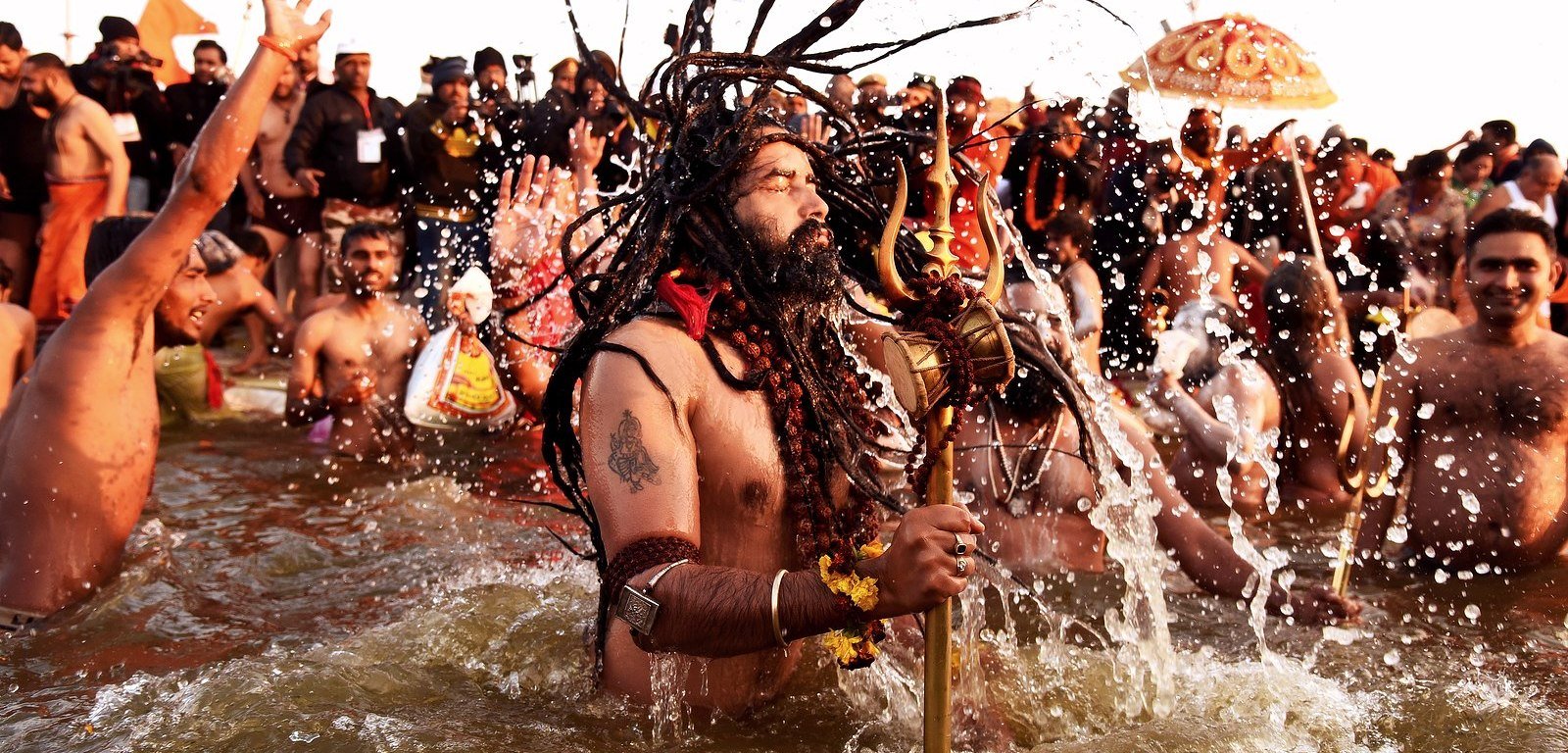
Nashik and Trimbak are closely associated with the Simhastha Kumbh Mela, a major Hindu pilgrimage event held periodically according to traditional astrological calculations. During this occasion, large numbers of pilgrims gather in the region for sacred bathing and religious observances.
4. Mondays Dedicated to Lord Shiva

Mondays are traditionally considered auspicious for the worship of Lord Shiva. Many devotees visit the temple on Mondays, particularly during Shravan.
Rituals and Worship at Trimbakeshwar
Trimbakeshwar is known for several religious rituals performed according to Hindu customs.
- Rudrabhishek: A ritual offering to Lord Shiva accompanied by the chanting of Vedic mantras.
- Mahamrityunjaya Mantra: Devotional chanting associated with Lord Shiva.
- Narayan Nagbali: A set of traditional rituals performed by devotees for specific religious purposes.
- Tripindi Shraddha: A ritual associated with ancestral rites in Hindu tradition.
- Darshan and Prayer: Devotees visit the sanctum to seek blessings and offer their prayers.
Ritual requirements, booking procedures, and priest arrangements may vary. Visitors should confirm the current rules with the temple authorities before planning special ceremonies.
Best Time to Visit Trimbakeshwar Jyotirlinga
The temple can be visited throughout the year, but the experience varies by season.
- October to February: The weather is generally pleasant for temple visits and exploring the surrounding area.
- March to May: Temperatures can be high, so early-morning visits may be more comfortable.
- June to September: The monsoon transforms the Brahmagiri hills and surrounding landscape into a lush green region. However, rain may affect trekking and road travel.
- Shravan and Mahashivratri: These are spiritually significant periods, but the temple can be much more crowded.
For a quieter visit, consider travelling on a regular weekday outside major festivals.
Trimbakeshwar Temple Timings
Temple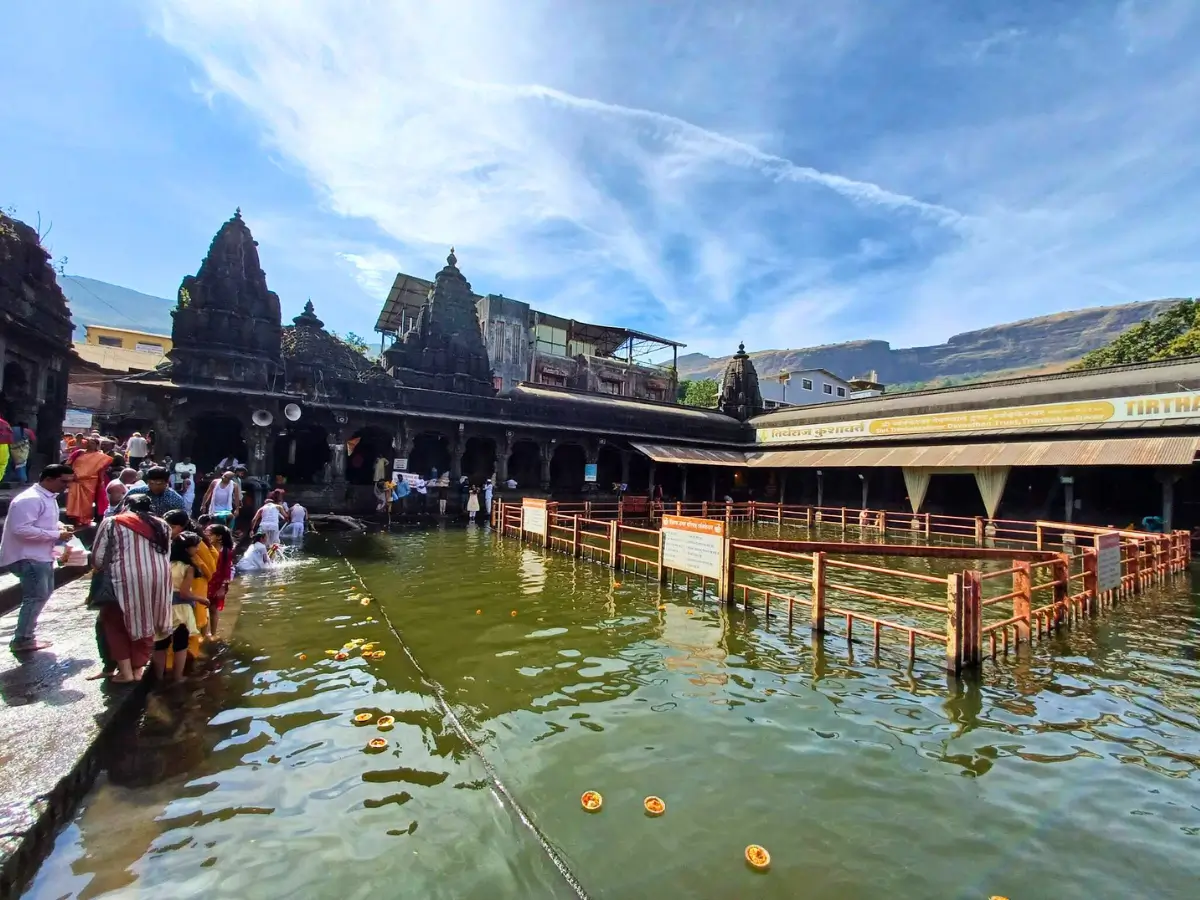 schedules and darshan arrangements can change according to festivals, special rituals, and administrative decisions. Visitors should check the latest official temple timings before travelling.
If you plan to participate in a special puja, confirm the schedule, eligibility requirements, fees, and booking process directly with the temple administration or an authorised source.
How to Reach Trimbakeshwar Temple
Trimbakeshwar is located approximately 28–30 kilometres from Nashik city, Maharashtra. Travel times depend on traffic and road conditions.
By Road
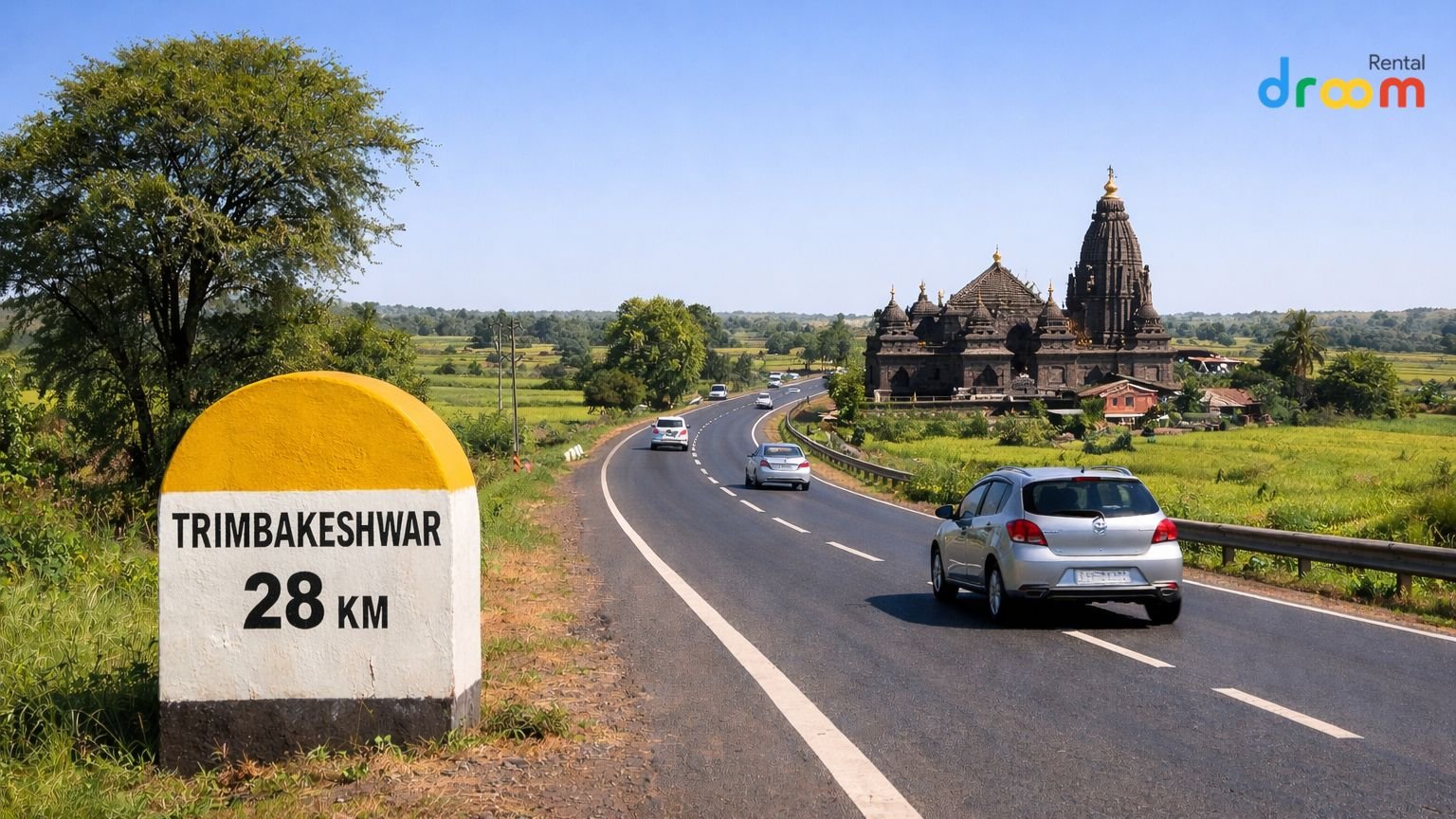
Trimbak is accessible from Nashik by bus, taxi, and private vehicle. Road travel is a convenient option for most visitors.
By Train
Nashik Road Railway Station is the principal railway station serving the area. From there, visitors can continue to Trimbakeshwar by taxi or bus.
By Air

Nashik's Ozar Airport serves the region, although flight availability may be limited. Visitors can also explore flights to Mumbai and continue their journey by road or rail.
Places to Visit Near Trimbakeshwar Temple
Visitors can explore several important religious and natural attractions in the surrounding area.
1. Brahmagiri Hill: A sacred hill closely associated with the origin of the Godavari River.
2. Kushavarta Kund: A revered sacred water tank in Trimbak associated with the Godavari and traditional pilgrimage rituals.
3. Anjaneri Hills: A popular trekking destination near Nashik, also associated in Hindu tradition with the birthplace of Lord Hanuman.
4. Panchavati, Nashik: An important religious area associated with the Ramayana and several temples.
5. Pandavleni Caves: Ancient rock-cut Buddhist caves near Nashik that reflect the region's historical heritage.
Visitors should check local access conditions and travel requirements before visiting nearby attractions.
Travel Tips for Devotees
Before visiting Trimbakeshwar Jyotirlinga, keep these useful tips in mind:
- Check temple timings and special darshan arrangements in advance.
- Wear modest and comfortable clothing suitable for a religious place.
- Allow extra time during Shravan, Mahashivratri, and Kumbh Mela periods.
- Follow temple rules regarding photography, mobile phones, footwear, and entry.
- Use authorised sources when arranging special pujas or religious ceremonies.
- Carry drinking water and suitable footwear for exploring nearby locations.
- Check the weather before visiting Brahmagiri Hill, particularly during the monsoon.
Spiritual Message of Trimbakeshwar Jyotirlinga
Trimbakeshwar Jyotirlinga reminds devotees of the power of faith, devotion, humility, and spiritual discipline. The temple's connection with Lord Shiva and the sacred Godavari River reflects the deep relationship between nature, mythology, and worship in Sanatan Dharma.
For many pilgrims, visiting Trimbakeshwar is more than a religious journey. It is an opportunity to spend time in prayer, reflect on life's deeper meaning, and experience the living traditions of Hindu spirituality.
Conclusion
Trimbakeshwar Jyotirlinga is one of Maharashtra's most sacred pilgrimage destinations and an important centre of Lord Shiva worship. Its ancient religious traditions, distinctive architecture, association with the Godavari River, and nearby sacred sites make it a memorable destination for devotees and travellers alike.
Whether you visit during Mahashivratri, the holy month of Shravan, or a quieter time of the year, Trimbakeshwar offers an opportunity to explore the rich spiritual heritage of India.
Har Har Mahadev! Om Namah Shivaya!
Frequently Asked Questions (FAQs)
1. Where is Trimbakeshwar Jyotirlinga located?
Trimbakeshwar Jyotirlinga is located in Trimbak town, near Nashik in Maharashtra, India.
2. How many Jyotirlingas are there in India?
Hindu tradition recognises twelve principal Jyotirlingas dedicated to Lord Shiva.
3. Why is Trimbakeshwar Jyotirlinga famous?
It is famous as one of the twelve Jyotirlingas, its distinctive three-linga symbolism, and its association with the sacred Godavari River.
4. Which river originates near Trimbakeshwar?
The Godavari River is traditionally associated with its sacred origin near Brahmagiri Hill in the Trimbak region.
5. What is the best time to visit Trimbakeshwar Temple?
October to February is generally comfortable for travel. Shravan and Mahashivratri are especially important religious periods but can be crowded.
6. How far is Trimbakeshwar from Nashik?
Trimbakeshwar is approximately 28–30 kilometres from Nashik city.
7. Is Trimbakeshwar one of the twelve Jyotirlingas?
Yes. Trimbakeshwar is traditionally counted among the twelve sacred Jyotirlingas of Lord Shiva.
8. Which rituals are performed at Trimbakeshwar?
Devotees may participate in Rudrabhishek, Narayan Nagbali, Tripindi Shraddha, and other rituals according to temple rules and Hindu traditions.
9. Which festivals are important at Trimbakeshwar?
Mahashivratri, Shravan, and the periodic Simhastha Kumbh Mela are among the important religious occasions associated with the region.
10. What is the main mantra of Lord Shiva?
A widely recited mantra is “Om Namah Shivaya.” Devotees chant it as an expression of reverence and devotion to Lord Shiva.