What is Sanatan Dharma? Complete Information About Hindu Dharma
Sep 19, 2026 · 7 min read · 211 views

Sanatan Dharma is one of the world's oldest living spiritual traditions. The term Sanatan means “eternal,” “everlasting,” or “that which has no beginning or end,” while Dharma refers to the principles, duties, values, and way of life that sustain harmony and righteousness.
Sanatan Dharma is often associated with Hinduism, although the two terms have different historical backgrounds. “Hinduism” is a later umbrella term used to describe the diverse religious and philosophical traditions that developed in the Indian subcontinent. Sanatan Dharma, in many traditional contexts, refers more broadly to an eternal spiritual way of living based on dharma, karma, self-realization, compassion, truth, and liberation.
What Does Sanatan Dharma Mean?
The word Sanatan suggests something eternal and timeless. Dharma comes from the Sanskrit root dhṛ, meaning “to uphold” or “to sustain.”
Therefore, Sanatan Dharma can be understood as a way of life based on principles that help individuals, families, society, and the natural world remain in harmony.
It is not limited to one founder, one historical event, or one single scripture. Instead, it includes numerous schools of philosophy, forms of worship, spiritual practices, festivals, traditions, and sacred texts.
The Origins of Hindu Dharma
The traditions that are today broadly described as Hinduism developed over thousands of years in the Indian subcontinent. Their history includes the Vedic tradition, Upanishadic thought, epic literature, devotional movements, temple traditions, and many philosophical schools.
The Vedas are among the oldest sacred texts associated with this tradition. Over time, many other important works became part of Hindu religious and philosophical literature, including the Upanishads, Ramayana, Mahabharata, Bhagavad Gita, Puranas, and various Dharma and philosophical texts.
Because Hindu traditions developed over a very long period, there is no single date that can be identified as the “birth” of Hinduism.
The Four Vedas
The Vedas are among the most important ancient sacred texts of Hindu tradition.
The four Vedas are:
1. Rigveda – Contains hymns dedicated to various deities and forces of nature.
2. Samaveda – Primarily associated with melodies and the musical recitation of Vedic verses.
3. Yajurveda – Contains formulas and instructions connected with Vedic rituals.
4. Atharvaveda – Includes hymns, prayers, and material dealing with everyday life and spiritual concerns.
The Vedic tradition was preserved for generations through highly developed oral methods of recitation.
Important Hindu Scriptures
Sanatan Dharma has a vast body of sacred literature.
Some of the most important texts include:
Upanishads
The Upanishads explore deep philosophical questions concerning the self, reality, consciousness, Brahman, and liberation.
Ramayana
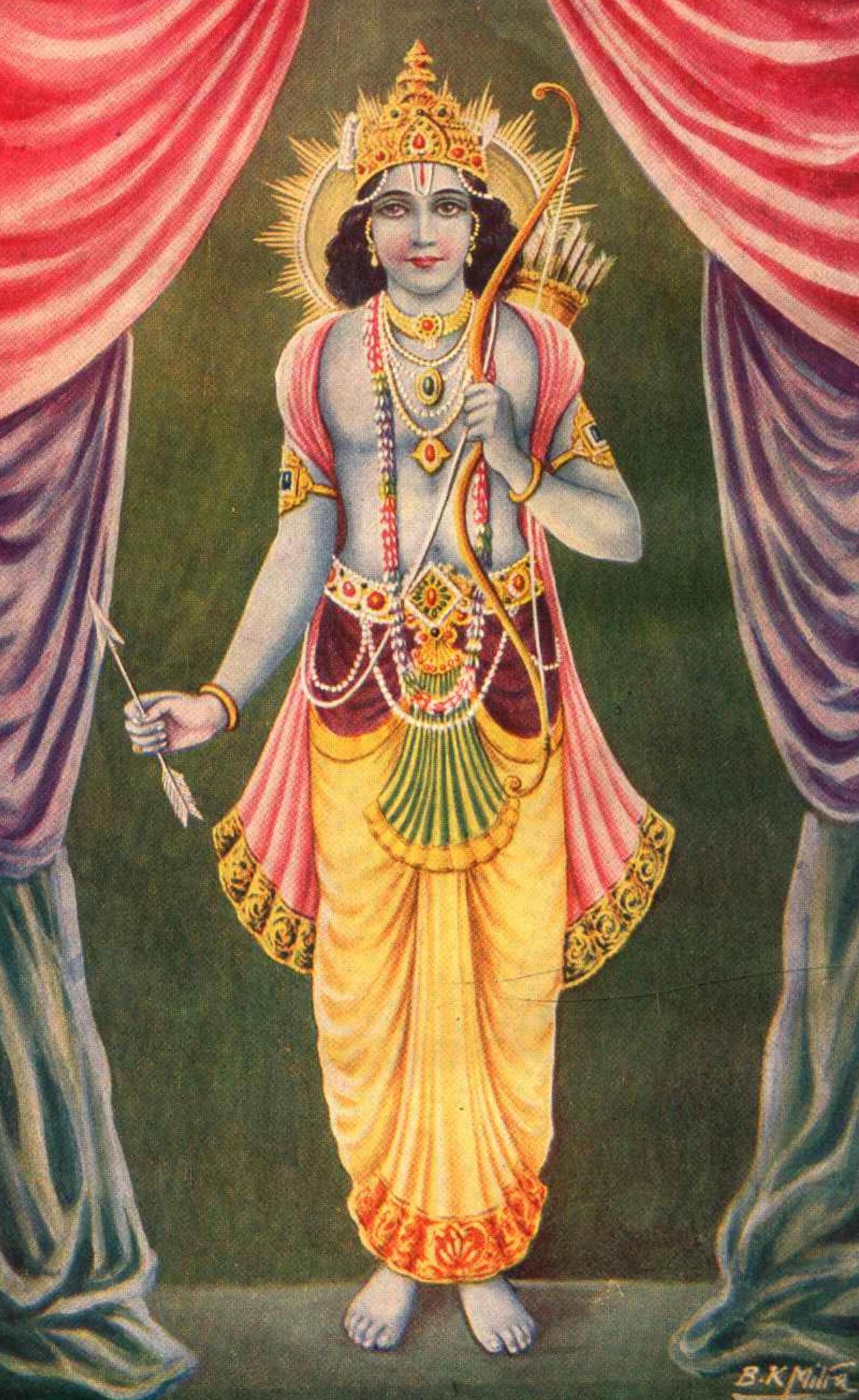
The Ramayana narrates the life and journey of Lord Rama and presents themes such as duty, devotion, courage, sacrifice, and righteousness.
Mahabharata
The Mahabharata is one of the world's great epic traditions. It contains stories concerning the Kuru dynasty, moral dilemmas, duty, family relationships, and the consequences of human actions.
Bhagavad Gita
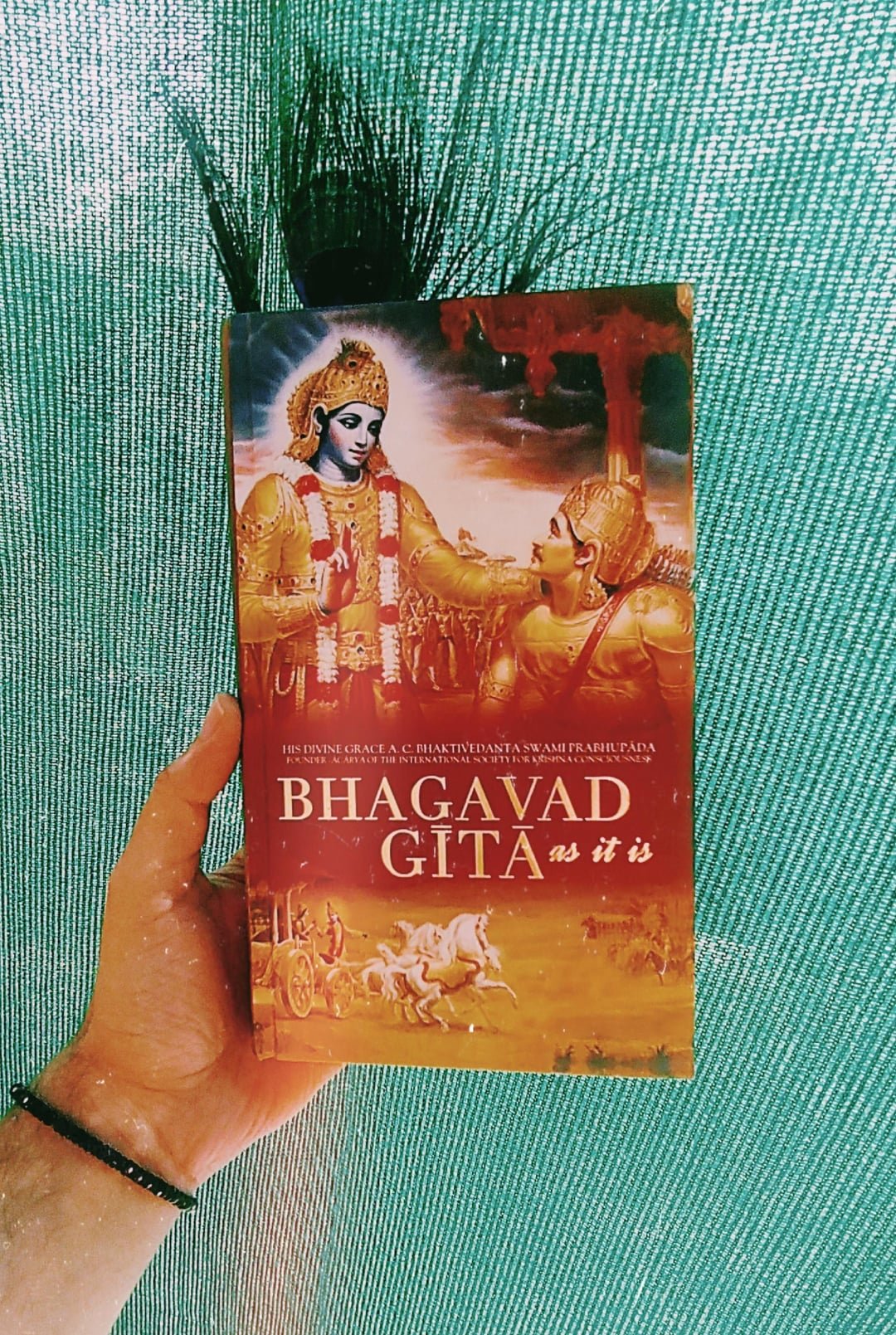
The Bhagavad Gita is a dialogue between Lord Krishna and Arjuna within the Mahabharata. It discusses karma, knowledge, devotion, duty, meditation, and spiritual liberation.
Puranas
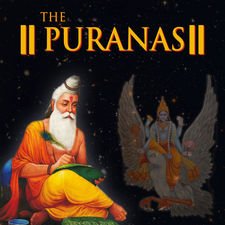
The Puranas contain stories about deities, creation, cosmology, genealogies, sacred places, traditions, and religious teachings. Different Puranas focus on different theological traditions.
The Concept of Dharma
Dharma is one of the central concepts of Hindu thought.
Dharma can refer to righteousness, duty, ethical conduct, responsibility, and the principles that maintain order and harmony.
A person's duties may be understood in relation to family, society, profession, stage of life, and personal responsibilities.
The idea of dharma encourages people to perform their responsibilities with integrity while considering the welfare of others.
Karma and Rebirth
The concept of Karma is another important principle in Hindu philosophy.
Karma literally relates to action or deed. In many Hindu traditions, actions have consequences, and ethical actions are understood to influence one's future experiences.
Hindu traditions also commonly discuss rebirth, the continuation of the cycle of birth and death. The cycle is often called Samsara.
Different philosophical schools explain karma, rebirth, and liberation in different ways, but these concepts have an important place in Hindu thought.
Moksha – The Goal of Liberation
Moksha means liberation from the cycle of birth and death.
It is described as spiritual freedom and realization of the ultimate nature of reality and the self.
Different Hindu philosophical traditions describe the path to liberation in different ways. Some emphasize knowledge, some devotion, some meditation, and others disciplined action.
The Four Purusharthas
Hindu philosophy traditionally describes four important goals of human life, known as the Purusharthas:
- Dharma – righteousness and responsible living
- Artha – material prosperity and security
- Kama – legitimate desires, enjoyment, and emotional fulfillment
- Moksha – spiritual liberation
These concepts present a broad framework in which material and spiritual aspects of life can be considered together.
The Four Ashramas
Traditional Hindu thought also describes four stages of life, known as Ashramas:
1. Brahmacharya – the stage of learning and disciplined development
2. Grihastha – family and household life
3. Vanaprastha – gradual withdrawal from worldly responsibilities
4. Sannyasa – renunciation and dedication to spiritual pursuits
These stages represent a traditional framework rather than a universal life pattern followed by every Hindu today.
Yoga in Sanatan Dharma
Yoga has an important place in Hindu philosophical traditions. The word yoga is associated with union, discipline, and spiritual practice.
Major paths commonly discussed include:
- Karma Yoga – the path of selfless action
- Bhakti Yoga – the path of devotion
- Jnana Yoga – the path of knowledge
- Raja Yoga – the path of meditation and mental discipline
The Bhagavad Gita discusses several of these approaches and presents them as ways of spiritual development.
Hindu Gods and Forms of Worship
Hindu traditions include devotion to many deities and different understandings of the Divine.
Important deities include:
- Lord Shiva
- Lord Vishnu
- Lord Krishna
- Lord Rama
- Lord Ganesha
- Goddess Durga
- Goddess Lakshmi
- Goddess Saraswati
- Lord Hanuman
- Lord Kartikeya
- Lord Vithoba and Goddess Rukmini
Different Hindu communities follow different forms of worship. Some primarily worship Shiva, some Vishnu or Krishna, some Devi, while others worship Ganesha, Surya, or different forms of the Divine.
The traditions also include puja, mantra, meditation, prayer, pilgrimage, fasting, devotional singing, and temple worship.
Festivals in Hindu Tradition
Hindu festivals are an important part of religious and cultural life.
Some widely celebrated festivals include:
- Diwali
- Holi
- Navratri
- Dussehra
- Janmashtami
- Ram Navami
- Ganesh Chaturthi
- Maha Shivaratri
- Makar Sankranti
- Raksha Bandhan
- Akshaya Tritiya
- Gudi Padwa
- Onam
- Pongal
Festivals often combine religious worship with family gatherings, cultural traditions, food, music, and community celebrations.
The Importance of Temples
Temples are important places of worship and community life in Hindu traditions.
Devotees visit temples for darshan, which refers to the spiritual act of seeing and being in the presence of a deity.
Temples can also preserve art, architecture, music, rituals, history, and local traditions.
Famous pilgrimage places include Varanasi, Ayodhya, Mathura, Vrindavan, Tirupati, Rameswaram, Somnath, Dwarka, Puri, Kedarnath, Badrinath, Pandharpur, and many others.
Hindu Samskaras
Traditional Hindu culture includes Samskaras, or important rites of passage.
One commonly referenced system contains sixteen major samskaras, known as Shodasha Samskaras. These relate to significant stages of life, from prenatal ceremonies and birth through education, marriage, and later stages of life.
The exact practice and observance can vary between communities and traditions.
Sanatan Dharma and Daily Life
Sanatan Dharma is not only about visiting temples or performing rituals. Its teachings can also be reflected in everyday conduct.
Values such as truthfulness, compassion, self-discipline, respect for elders, kindness toward living beings, gratitude, service, and responsibility are emphasized across many Hindu teachings.
Practices such as prayer, meditation, reading sacred texts, yoga, charity, and mindful living can become part of daily spiritual life.
Sanatan Dharma in the Modern World
Today, Hindu traditions are practiced by millions of people in India and around the world.
Modern Hindu life includes both ancient practices and contemporary lifestyles. People may follow traditional festivals and prayers while also working in modern professions, pursuing education, traveling, and living in diverse societies.
The continuing relevance of Sanatan Dharma can be understood through its emphasis on ethical living, self-knowledge, spiritual inquiry, responsibility, and respect for different approaches to the Divine.
Conclusion
Sanatan Dharma represents a vast and diverse spiritual and philosophical tradition. It includes the Vedas, Upanishads, epics, Bhagavad Gita, Puranas, yoga, meditation, devotion, rituals, festivals, temples, samskaras, and many philosophical schools.
At its heart, Hindu thought explores important questions about Dharma, Karma, the nature of the self, the Divine, the purpose of life, and Moksha.
Learning about Sanatan Dharma is therefore not only an exploration of ancient traditions but also an opportunity to understand the philosophical and cultural heritage that has developed in India over thousands of years.
“धर्मो रक्षति रक्षितः” — Dharma protects those who protect Dharma.
More in Sanatan Dharma
Nashik-Trimbakeshwar Simhastha Kumbh Mela 2026-28: Dates, Amrit Snan and Complete Details
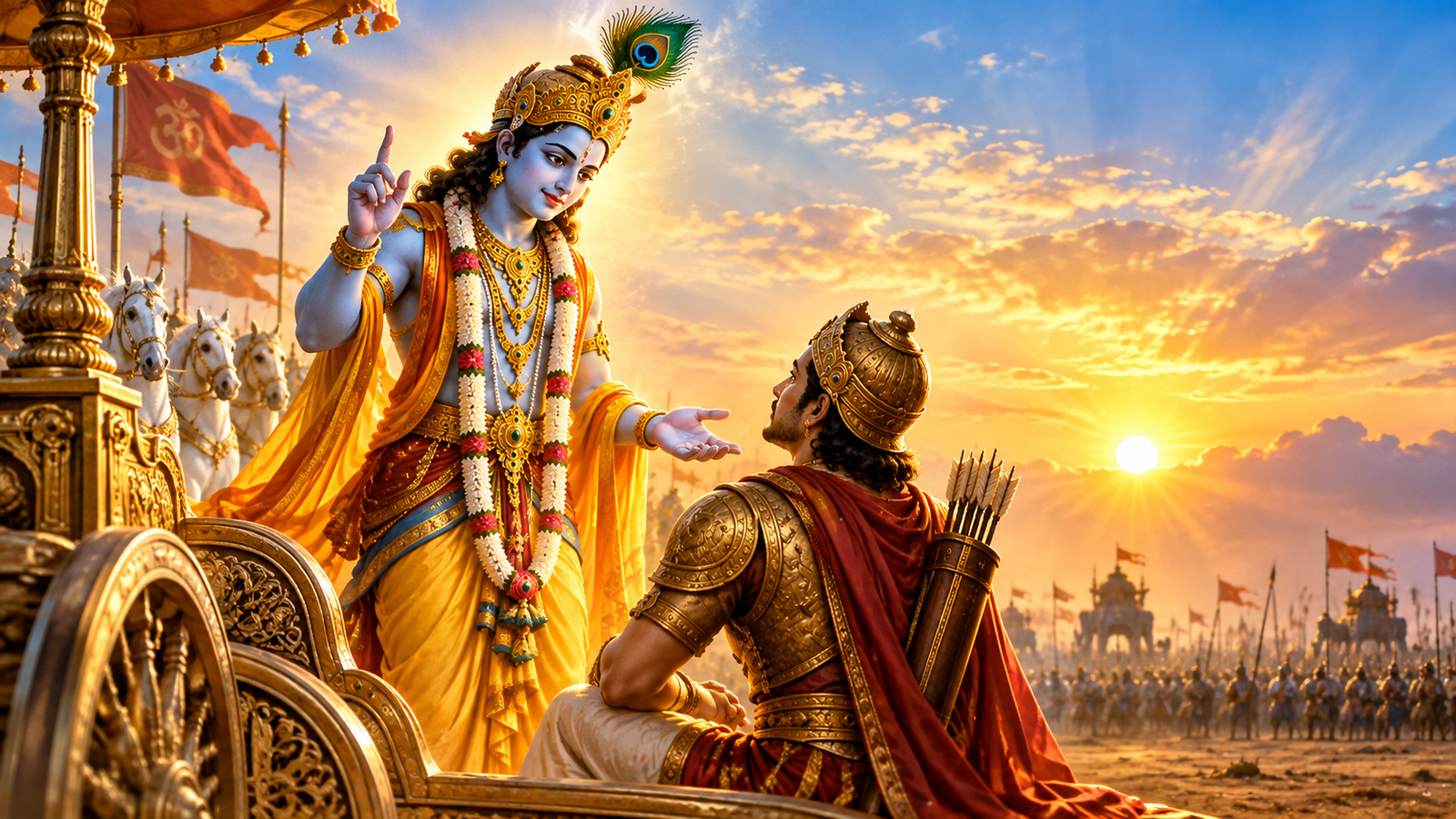
श्रीकृष्णाने सांगितलेले कर्माचे महत्त्व – जीवन जगण्याचा अनमोल संदेश
