Bendur Festival: History, Significance, Rituals and Celebrations
Oct 5, 2026 · 5 min read · 217 views
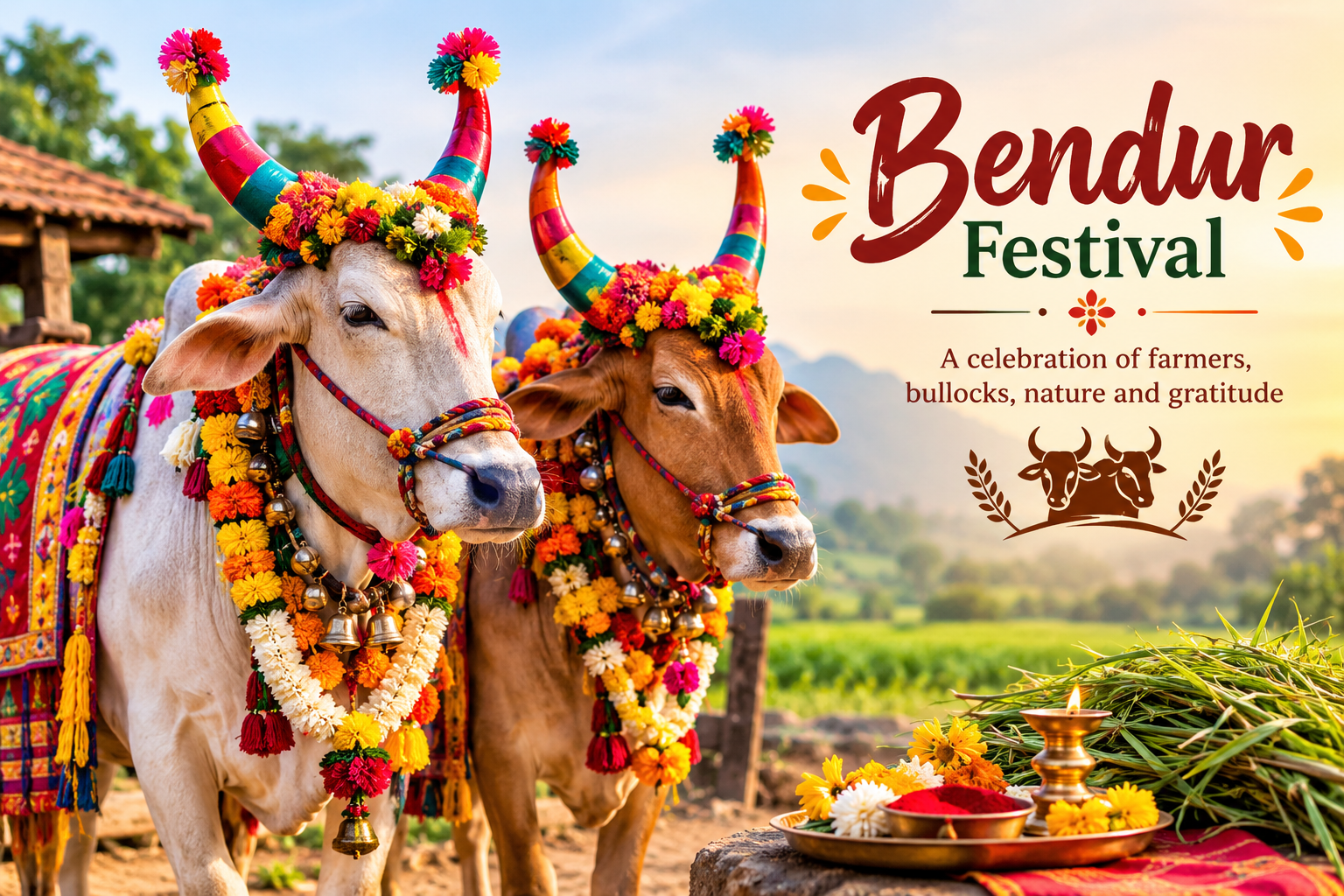
Bendur Festival, also known as Pola, is a traditional Indian festival dedicated to farmers and their beloved bullocks. It is mainly celebrated in Maharashtra and parts of Madhya Pradesh, Karnataka and other regions where agriculture plays an important role in rural life.
The festival expresses gratitude towards bullocks for their valuable contribution to farming. On this special occasion, farmers lovingly decorate, worship and honor their cattle.
What Is Bendur Festival?
Bendur is a traditional agricultural festival celebrated mainly by farming communities. Bullocks have historically played an important role in ploughing fields, transporting agricultural goods and supporting farmers in their daily work.
The festival is a beautiful symbol of gratitude, respect for animals and the close relationship between farmers and nature.
In Maharashtra, Bendur is popularly associated with Bail Pola. The word “Bail” means bullock, while “Pola” refers to the traditional festival honoring these animals.
Significance of Bendur Festival
Bendur has great cultural and agricultural significance. Farmers depend on animals, land, rain and nature for their livelihood. Therefore, this festival is a way of expressing gratitude for all these blessings.
The main significance of Bendur includes:
- Respecting and honoring bullocks
- Expressing gratitude towards animals
- Celebrating the importance of agriculture
- Praying for a good harvest
- Strengthening rural traditions and family bonds
- Teaching children compassion towards animals and nature
How Is Bendur Celebrated?
The preparations for Bendur begin several days before the festival. Farmers clean their bullocks and prepare them for the celebration.
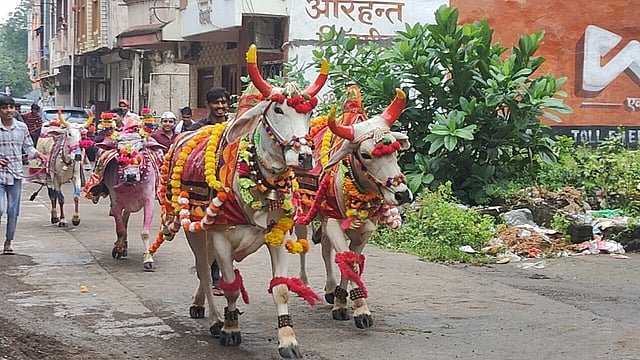
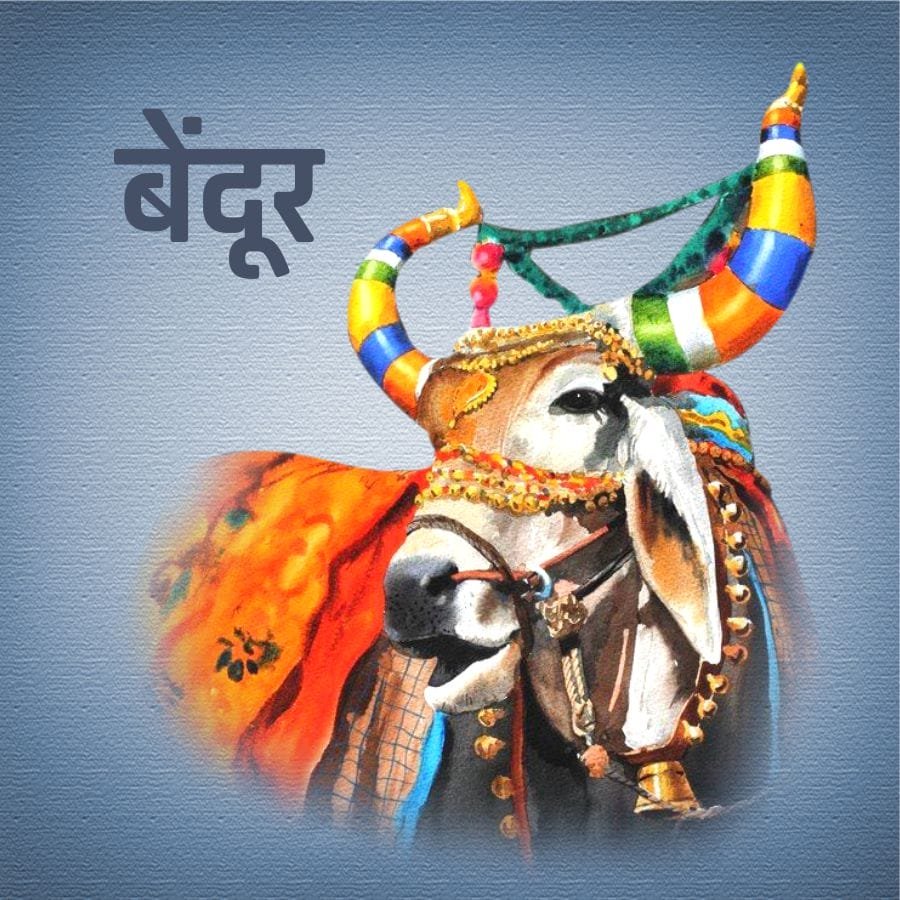
On the festival day, the animals are traditionally bathed and decorated beautifully. Their horns may be painted or decorated, and colorful ornaments, cloth and garlands are used to make them look special.
Farmers also prepare traditional food and sweets at home. The bullocks are worshipped with devotion and are offered food as a gesture of gratitude.
In many villages, beautifully decorated bullocks are taken through the streets in a traditional procession. People gather together, celebrate and enjoy the festive atmosphere.
Traditional Rituals of Bendur
Different regions follow different customs, but some common rituals include:
1. Cleaning and Bathing the Bullocks
The bullocks are carefully washed and cleaned. This represents purification and respect.
2. Decorating the Bullocks
Farmers decorate their bullocks with colorful clothes, garlands, ornaments and beautifully painted horns.
3. Worship
The decorated bullocks are worshipped with flowers, turmeric, vermilion and traditional offerings.
4. Offering Food
Special food and traditional preparations are offered to the animals as a sign of love and gratitude.
5. Village Celebrations
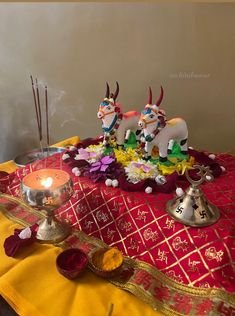
In many rural areas, people organize processions and community celebrations. The festival creates an atmosphere of happiness and togetherness.
Bendur and the Importance of Farmers
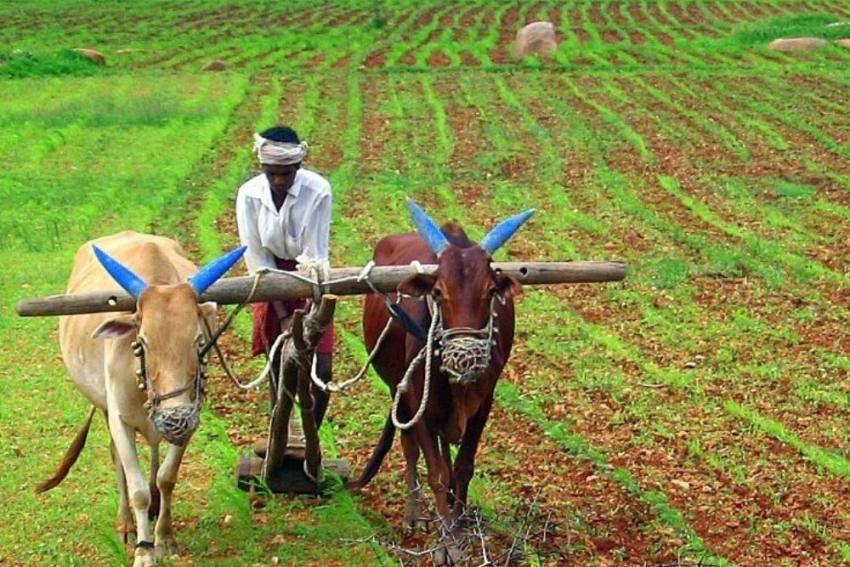
Bendur is not only a festival for animals. It also reminds society about the hard work of farmers.
Agriculture provides food for millions of people, and farmers work throughout the year despite challenges such as weather, water availability and changing agricultural conditions.
Therefore, Bendur gives us an opportunity to appreciate both farmers and the animals that have supported agriculture for generations.
Bendur Festival and Nature
Indian traditions have always emphasized living in harmony with nature. Bendur reflects this idea beautifully.
The festival teaches us that animals are not merely useful for human activities. They are living beings that deserve kindness, care and respect.
It encourages people to develop compassion towards animals and appreciate the natural world around them.
Modern Importance of Bendur Festival
Although modern farming increasingly uses tractors and machines, Bendur continues to hold cultural and emotional importance in many rural communities.
Today, the festival serves as a reminder of traditional agricultural practices and the historical relationship between farmers and animals.
It also provides an opportunity for younger generations to understand their cultural heritage.
Conclusion
Bendur Festival is a beautiful celebration of farmers, bullocks, agriculture, nature and gratitude. It reflects the traditional Indian value of respecting animals and appreciating the people who work hard to provide food for society.
More than a festival, Bendur is a reminder that our lives are deeply connected with nature and other living beings. By preserving such traditions, we can pass valuable cultural and spiritual lessons to future generations.
Bendur teaches us a simple but meaningful message: respect nature, care for animals and always be grateful for the hands that feed us. 🙏🌾🐂
Frequently Asked Questions (FAQ)
When is Bendur Festival celebrated?
Bendur is traditionally celebrated during the monsoon agricultural season. The exact date varies according to the regional Hindu calendar.
What is another name for Bendur?
Bendur is commonly associated with Bail Pola, especially in Maharashtra and neighboring regions.
Why are bullocks worshipped during Bendur?
Bullocks have traditionally played an important role in agriculture. Farmers worship them as an expression of gratitude and respect for their contribution.
Where is Bendur mainly celebrated?
Bendur is mainly celebrated in rural areas of Maharashtra and in some neighboring regions with strong agricultural traditions.
What is the main message of Bendur Festival?
The festival teaches gratitude, respect for animals, appreciation for farmers and harmony with nature.
Hashtags:
#BendurFestival #BailPola #PolaFestival #MaharashtraFestivals #IndianFestivals #FarmersFestival #AgriculturalFestival #SanatanDharma #IndianCulture #RuralTraditions #Bendur #TraditionalFestivals