Nag Panchami: Significance, Traditions, Rituals and Spiritual Importance
Oct 3, 2026 · 6 min read · 169 views
Introduction
Nag Panchami is an important Hindu festival dedicated to the worship of snakes, especially the Nagas, who hold a significant place in Hindu traditions and mythology. The festival is observed during the Shukla Paksha Panchami of the month of Shravan (Sawan) according to the Hindu lunar calendar.
Nag Panchami reflects the traditional Indian belief in respecting nature and all living beings. Snakes are considered sacred in Hinduism and are closely associated with Lord Shiva, Lord Vishnu and other deities.
The festival is observed with devotion, prayers and various traditional rituals in different parts of India.
What is Nag Panchami?
Nag Panchami is a festival during which devotees worship Naga deities and offer prayers for protection, prosperity and family well-being.
The word “Nag” refers to a snake or serpent, while “Panchami” refers to the fifth lunar day. Thus, Nag Panchami literally means the worship of Nagas on the Panchami tithi.
The festival is particularly associated with the holy month of Shravan, which is considered highly auspicious for the worship of Lord Shiva.
Religious Significance of Nag Panchami
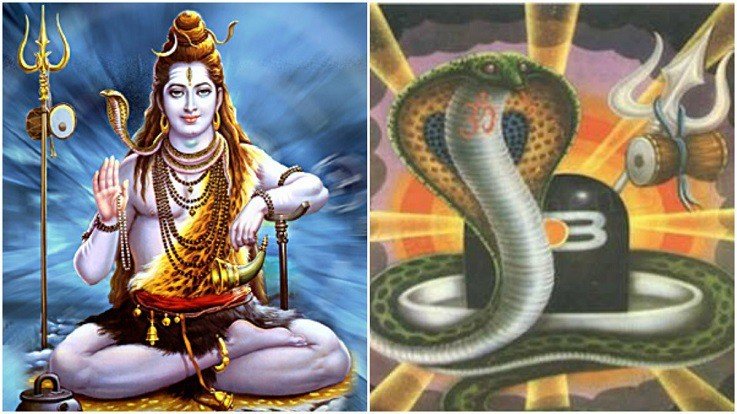
Snakes have an important place in Hindu mythology. They are often represented as symbols of divine energy, protection and transformation.
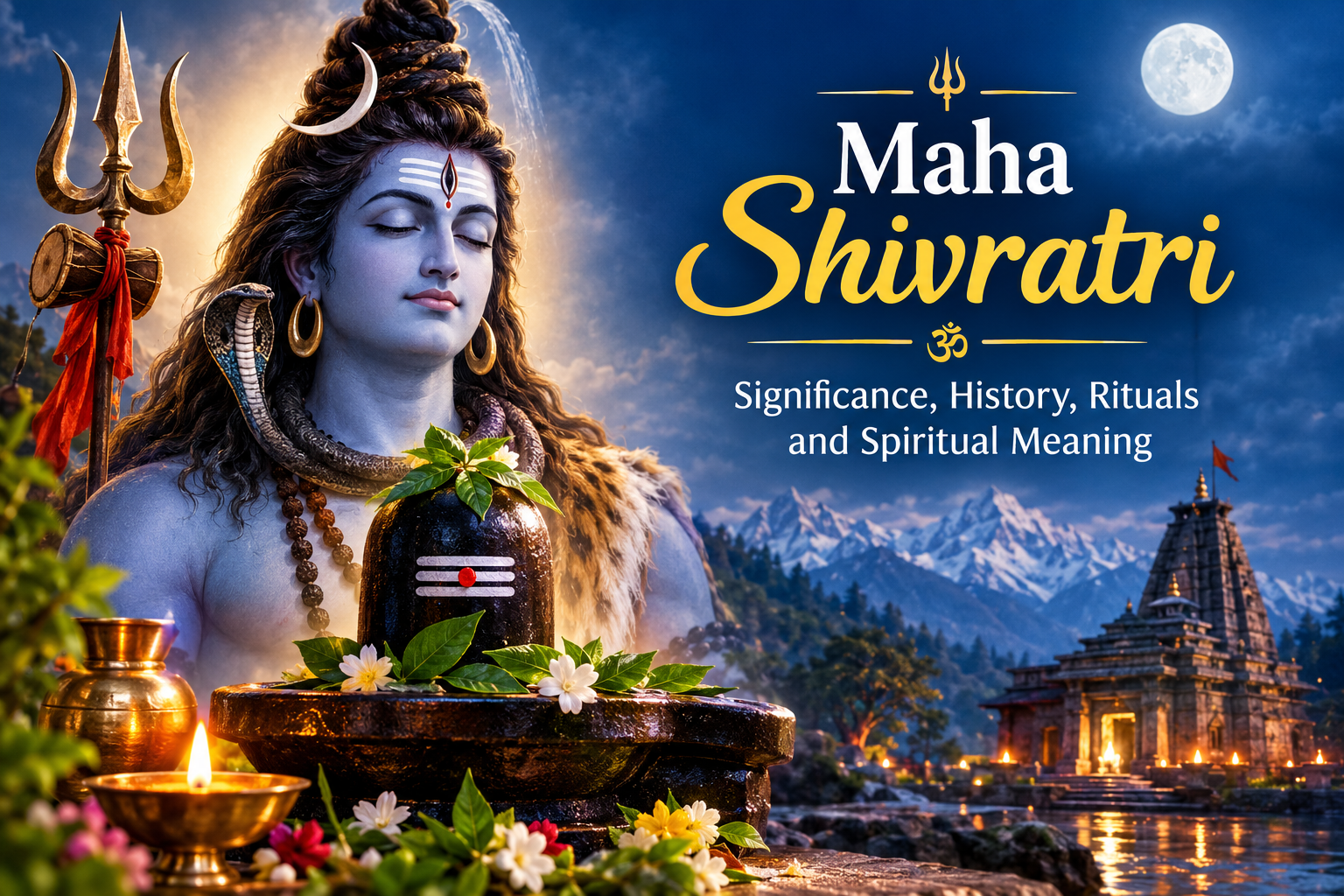
One of the most famous associations is Lord Shiva, who is traditionally depicted wearing a serpent around his neck. The serpent is known as Vasuki.
Another important association is Lord Vishnu, who is traditionally depicted resting upon Shesha Nag, the divine serpent.
Because of these associations, Nag Panchami is considered a spiritually significant festival for devotees.
Nag Panchami and Lord Shiva
The month of Shravan is especially important for Lord Shiva devotees. During this month, devotees visit Shiva temples, perform Abhishekam and offer prayers.
Since a serpent is closely associated with Lord Shiva, Nag Panchami also has a special connection with Shiva worship.
Devotees may offer prayers to Naga deities and seek blessings for peace, protection and prosperity.
Traditional Nag Panchami Rituals
The customs followed on Nag Panchami vary from region to region. Some common traditional practices include:
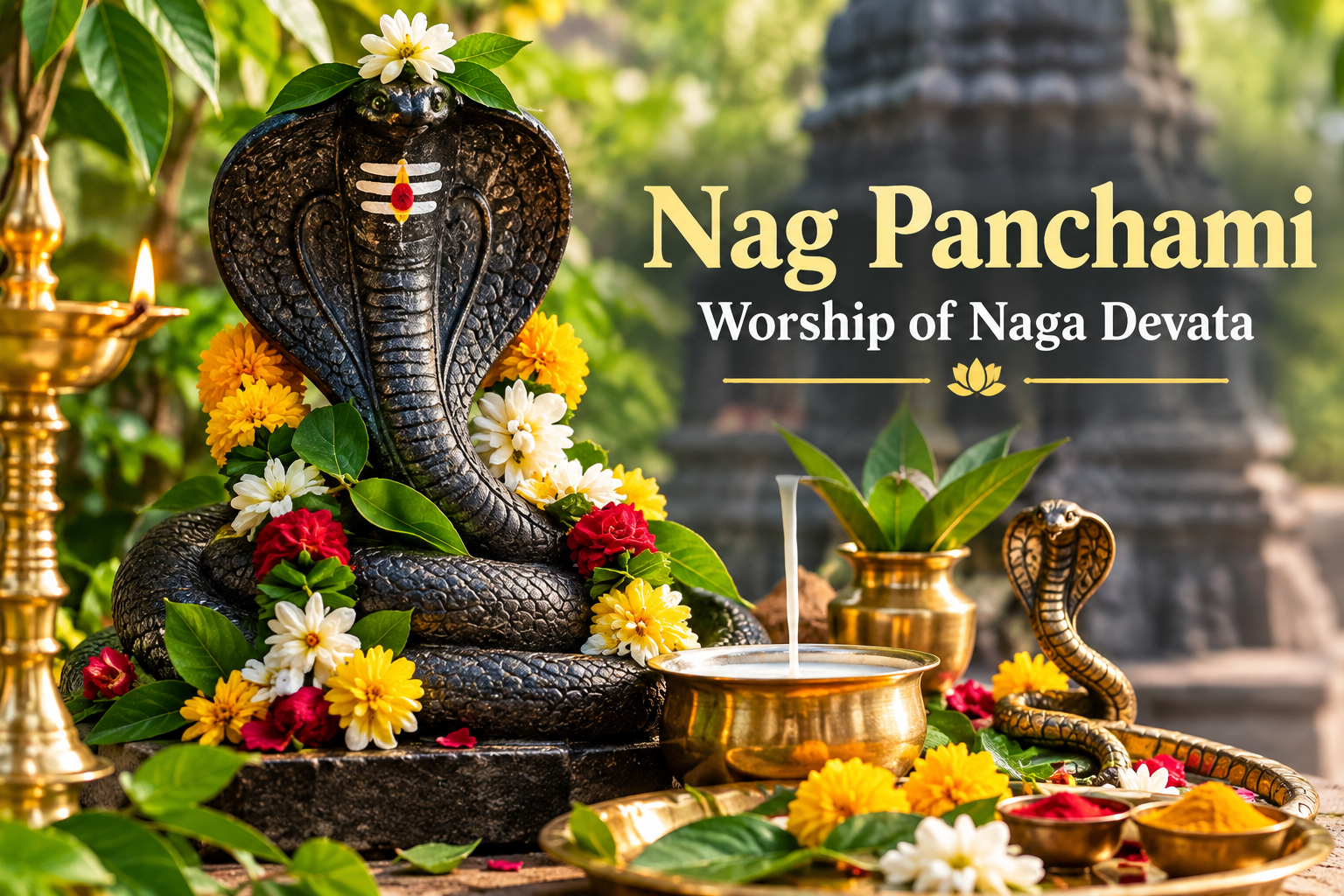
- Worshipping Naga deities or images of Nagas
- Offering flowers and traditional puja items
- Offering milk as part of traditional worship
- Visiting Shiva temples
- Chanting mantras and prayers
- Listening to stories related to Nagas
- Observing fasting according to family tradition
- Praying for the well-being of family members
Devotees generally perform these rituals with faith and devotion.
Spiritual Meaning of Nag Panchami
Nag Panchami can also be understood as a reminder to respect nature.
Snakes are an important part of the ecosystem and play a role in maintaining ecological balance. The traditional worship of snakes reflects an ancient cultural idea of showing respect toward living creatures.
Spiritually, the serpent is also associated with transformation, energy and awakening in several Indian traditions.
Nag Panchami in Different Parts of India
Nag Panchami is celebrated in different ways across India.
In Maharashtra, the festival is an important part of the Shravan festival season. Women in many communities traditionally observe the festival with prayers and family customs.
In Karnataka, Andhra Pradesh, Telangana, Uttar Pradesh, Madhya Pradesh, Gujarat and other regions, devotees follow their own local traditions and forms of Naga worship.
Some communities have special temple celebrations, while others perform puja at home.
Nag Panchami and Nature
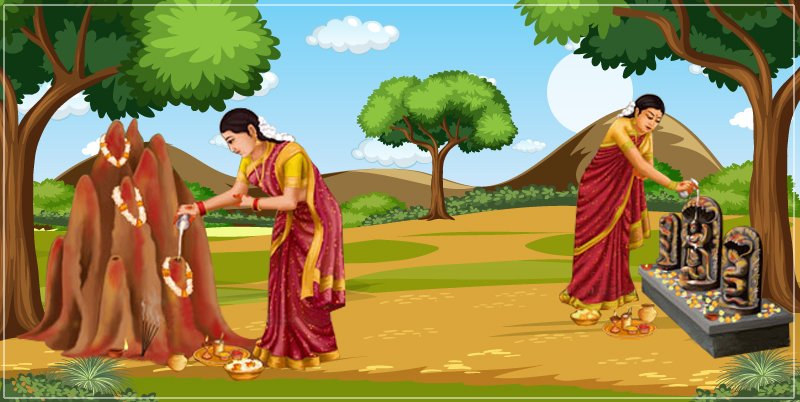
One of the valuable messages associated with Nag Panchami is respect for nature.
Snakes are often feared because some species are venomous, but they are also important members of the natural environment. Traditional festivals such as Nag Panchami can encourage awareness and respect for wildlife.
Religious devotion and wildlife conservation can therefore go together when the festival is celebrated responsibly.
Nag Panchami Puja at Home
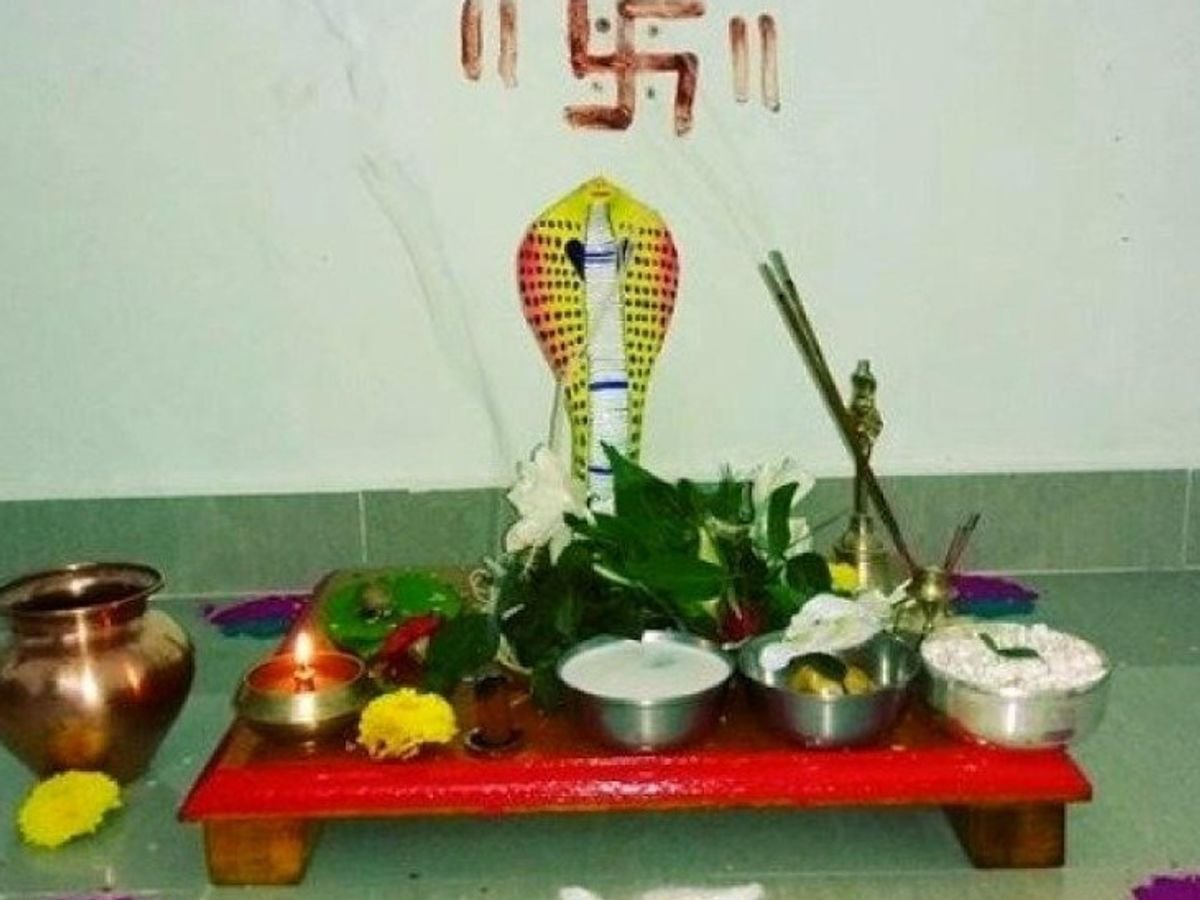
Devotees who wish to observe Nag Panchami at home may follow their family tradition and perform a simple prayer.
A traditional home puja may include:
1. Cleaning the puja area.
2. Placing an image or symbolic representation of Naga Devata.
3. Offering flowers and other customary puja items.
4. Lighting a diya.
5. Chanting prayers or mantras.
6. Offering naivedya according to family tradition.
7. Seeking blessings for peace, health and prosperity.
Ritual practices can differ according to region, family tradition and local customs.
Importance of Naga Devata in Hindu Tradition
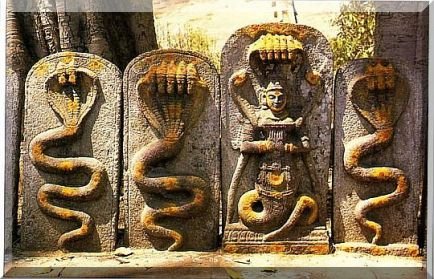
Naga deities appear in many Hindu stories and scriptures. Shesha, Vasuki, Takshaka, Karkotaka and other Nagas are well-known figures in Hindu mythology.
Vasuki is especially associated with the Samudra Manthan, the famous churning of the ocean described in Hindu tradition.
These stories contribute to the important place of Nagas in Hindu religious culture.
Message of Nag Panchami
Nag Panchami teaches us several traditional values:
- Respect nature and living beings.
- Remain connected with cultural traditions.
- Practice devotion with humility.
- Understand the importance of balance in nature.
- Preserve spiritual and cultural heritage.
The festival is not only about rituals but also about remembering the relationship between human beings, nature and the divine.
Conclusion
Nag Panchami is a sacred Hindu festival that combines faith, mythology, tradition and respect for nature. The worship of Nagas has deep roots in Indian religious culture and is especially significant during the holy month of Shravan.
For devotees, Nag Panchami is an opportunity to offer prayers, remember traditional stories and seek divine blessings for peace and prosperity.
The festival also gives us a meaningful reminder to respect wildlife and maintain harmony with nature.
Frequently Asked Questions (FAQ)
1. What is Nag Panchami?
Nag Panchami is a Hindu festival dedicated to the traditional worship of Naga deities and is observed on the Panchami tithi of the Shukla Paksha in the month of Shravan.
2. Why are snakes worshipped on Nag Panchami?
Snakes have an important place in Hindu mythology and are associated with deities such as Lord Shiva and Lord Vishnu. Worshipping Nagas is part of traditional Hindu religious practices.
3. Which month is Nag Panchami celebrated?
Nag Panchami is traditionally observed during the Hindu month of Shravan, also known as Sawan.
4. What is the connection between Nag Panchami and Lord Shiva?
Lord Shiva is traditionally depicted with a serpent around his neck. Therefore, Naga worship has a close connection with Shiva traditions, especially during Shravan.
5. How is Nag Panchami celebrated?
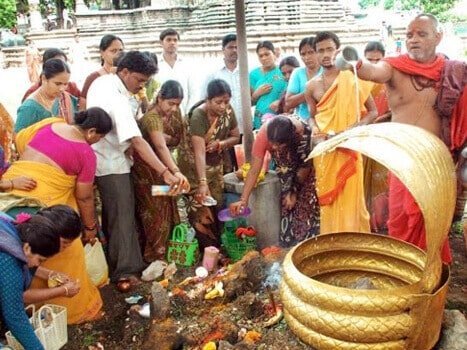
Depending on the region and family tradition, devotees may perform Naga puja, visit temples, offer flowers and traditional offerings, chant prayers and observe fasting.
6. What is the spiritual message of Nag Panchami?
Nag Panchami can remind devotees to respect nature, living beings and the traditional relationship between spirituality and the natural world.
#NagPanchami #NagPanchamiFestival #NagaPuja #HinduFestival #SanatanDharma #Shravan #Sawan #LordShiva #NagaDevata #HinduTraditions #IndianFestivals #Spirituality #HinduCulture #SanatanaStories